Role of Robotics and Automation in the 4th Industrial Revolution

Robotics and Automation

The role of robotics and automation in the 4th industrial revolution is essentially known in this article

The role of robotics and automation in the 4th industrial revolution continues to develop new kinds of machines that are more useful and functional in the future. The fourth industrial revolution is anticipated to have far-reaching consequences for businesses and individuals worldwide. If you own a company of any scale, it’s worth reviewing your existing operations to see where you might be able to use automation or robotics.

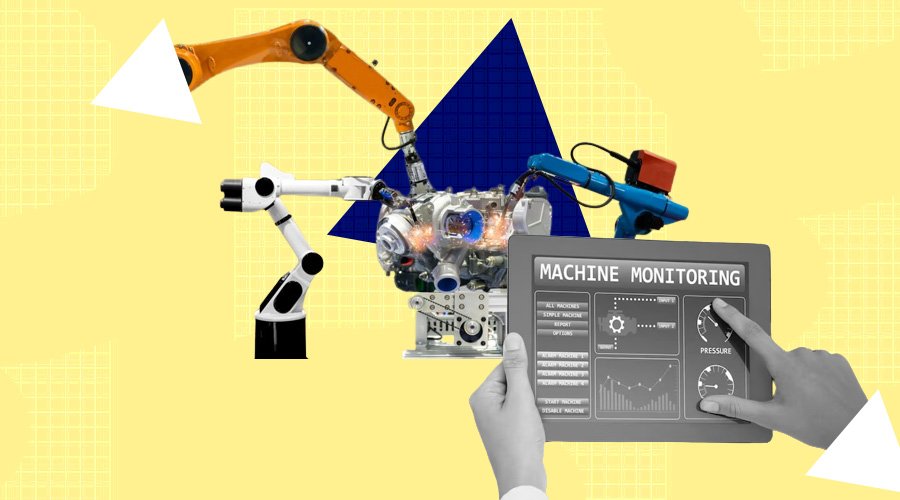
Robotics, automation, and artificial intelligence (AI) are poised to take over the global manufacturing sector as it begins its fourth transformation.

What is industry 4.0?

It’s critical to comprehend what “the fourth transformation,” or “industry 4.0,” means. Since the 1800s, the human species has gone through three industrial revolutions, each marked by the introduction of exciting new technology that enhanced manufacturing and processes. Prior changes were sparked by the steam engine, the production line, and the computer. Industry 4.0 alludes to the current industrial transformation, which is being driven by the advancement of automation, robotics, and the internet of things (IoT). Industry 4.0 marks a new era of smart systems and digital integration; the term was created in 2011, and the related movement is reverberating throughout almost every sector worldwide.

Robotics can improve productivity:

According to current estimates, AI will be capable of increasing labor output by up to 40% by 2035. Although some may see robotics and artificial intelligence as tools to replace human workers, the World Association of Robotics believes that less than 10% of jobs can be fully automated; robots are generally intended to take on repetitive tasks and allow workers to focus on more intensive duties.

One significant advantage of automation in big industrial operations is that some tasks can be performed successfully 24/7, increasing production output without incurring extra labor costs. Small company owners may find an effective robotic completion of some chores particularly helpful. Small companies cannot usually employ as big a staff as manufacturing behemoths; automation may aid in this regard to level the playing field.

According to recent studies, 57% of companies are interested in increasing performance and efficiency through robotics and automation. According to some studies, greater use of AI in the workplace may generate new employment positions, enabling employers to hire more employees in the future.

Automation can lower overhead costs:

Although the original investment in automated software or machines may be substantial, the investment’s return can be rapid. When AI is used, business owners may discover that some jobs are no longer needed, resulting in instant cost savings.

Some eatery industry experts, for example, are employing delivery robots, which lowers their need for human employees. Businesses may save money on health and safety expenses if fewer employees participate in risky work activities, resulting in fewer accidents and time off work for their workers.

Many robots require little room to function and can work alongside people on assembly lines securely. Because of the possible decrease in the needed room, businesses may be able to downsize to cheaper workspaces and factories. Recent surveys show that 24% of employers are contemplating automating some jobs to lower running costs.

Smart technology can reduce human error:

Human error is something that every company must prepare for, and time and energy are both spent on resolving problems when they arise. Automation, particularly for highly repetitious or quantitative tasks, could manage them with a much smaller margin of error than human employees. Because automation can be costly to adopt, entrepreneurs must assess their entire process and determine where AI can have the greatest effect.

This may be a smart spot to start if your company has large invoicing processes with a tiny error margin. If you have a manufacturing line where tiny fasteners are frequently left out of the final product, a robot could effectively complete this job for you. To maintain authority during the implementation process, ensure that you have a firm grasp of your new technology.

The post Role of Robotics and Automation in the 4th Industrial Revolution appeared first on Analytics Insight.
Hyderabad’s Svaya Robotics Has Developed India’s First Quadruped Robot

Hyderabad’s Svaya Robotics

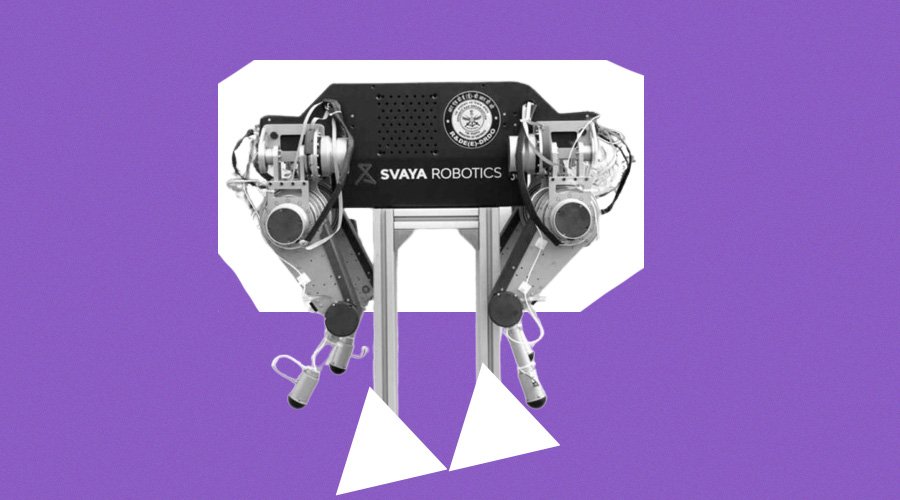
Hyderabad’s Svaya Robotics has developed India’s first quadruped robot for the defense sector

Hyderabad’s Svaya Robotics has created India’s first quadruped robot and wearable exoskeleton as technology demonstrators with their design inputs in collaboration with DRDO Labs – Research and Development Establishment, Pune (R&DE) and Defense Bio-engineering & Electro Medical Laboratory, Bangalore (DEBEL).

These robots are now being brought from the United States and Switzerland to support the nation’s defense needs and bolster its defense capabilities.

As part of the “Made in India” initiative, the DRDO is leading the charge to develop robotics domestically with assistance from industrial partners like Svaya Robotics. As a result, robotics is positioned to play a significant role in the defense and security sectors. The challenges that India’s defense and security services are faced with are not well-suited for deployment by current robots, which are intended for organized environments and have restricted capabilities. These challenges include tough terrains and field operations circumstances.

Together with other top scientists from the DRDO labs R&DE and DEBEL, Dr. Sateesh Reddy, a former chairman of the DRDO and scientific advisor to the Union Defense Minister, visited the Svaya Robotics research facility in Hyderabad.

Dr. Sateesh Reddy examined the progress made in creating the robots that Svaya has taken on with help from the DRDO. He conveyed his delight with the way the project was going.

Svaya Robotics’ founder and managing director, Vijay R. Seelam, expressed his company’s happiness to work with the DRDO on the Aatma Nirbhar Bharat initiative to make India self-sufficient.

The quadruped robot was created domestically by Svaya in partnership with DRDO and is designed for traveling in unstructured terrains to enable remote reconnaissance and inspection for the military and security forces in environments that are otherwise unsafe for human operation.

Svaya is creating the exoskeleton to fit the anthropometry of Indian soldiers and increase military strength so they can carry large objects with little exertion and walk long distances without becoming tired. Both are dual-purpose robots with a wide range of industrial and medical applications.

The post Hyderabad’s Svaya Robotics Has Developed India’s First Quadruped Robot appeared first on Analytics Insight.

Top 10 Industrial Robot Applications and Uses You Must Know

Industrial Robot Applications

The top Industrial robot application and uses include picking, packing, material removal, welding, and more

Intro

Industrial robots are one of today’s best inventions, with numerous applications in factories, warehouses, and industries. Industrial robots are fully automated, programmable, and can move on three or more axes. Industrial Robots applications and uses include many. Some industrial robot applications include Loading and Unloading, Arc Welding, Spot Welding, Painting Investment Casting, etc.

Industrial robots are similar to humans in having multiple joints, articulations, and manipulators that can be programmed to perform a specific task efficiently and quickly. Furthermore, industrial robots help to achieve cost synergies and reduce waste. These Industrial Robot uses are in manufacturing, machinery, and assembly industries because they are motorized, and provide fast, consistent performance in heavy-duty or repetitive tasks. Automated robot parts are used for basic tasks in a wide range of industries and workplaces. These robots are made of strong and durable metal, usually steel or cast iron.

Let us look at the various applications of industrial robots and the types of robots used in each industrial robot application:

  1. Assembly and Dispensing of Robots

Small parts must be assembled into larger units as part of the manufacturing process. Previously, the such assembly could only be accomplished through the combination of human dexterity, vision, and intelligence. Robots that can dispense bonding agents are a related technology because many assembly processes require adhesives.

  1. Casting and Moulding Robots

The process of forming metallic objects by injecting liquid metal into a die or cavity shaped in the shape of the object to be made is known as casting. Molding is similar to casting except that the material used is usually plastic. These include die-casting robots, Injection molding robots, and Deburring, Grinding, and Polishing Robots.

  1. Cleaning and Hygiene Robots

Industrial facilities must be kept clean for the sake of the finished product’s quality as well as the health and safety of those who work there. Cleaning is a time-consuming and frequently repeated task. The Cleaning Robots, Disinfection robots, and Industrial Robot Vaccums help in cleaning, Sanitation, and removing dust and debris from industrial facilities autonomously.

  1. Handling and Picking Robots

Moving objects around a warehouse or taking items out of a tote and placing them in a shipping container are examples of handling and picking robots. Due to the growth of e-commerce, robots that can pick and fill orders are in high demand. Material handling robots, Pick and Place robots, and Order Picking Robots are considered autonomous mobile robots (AMRs).

  1. Logistics and Storage Robots

Order picking, packing, sorting, labeling, and transportation are just a few of the many operations that robots in a warehouse or distribution center may automate. The Delivery robots which resemble wheeled carts are used to distribute meals in urban areas. Other delivery robots resemble humans in that they stand on two legs, and have arms, and dome-shaped bodies.

  1. Inspection and Quality Control Robots

Some quality control concerns are life and death, because a faulty part or an incorrectly placed part may result in a scenario that puts the user’s life in jeopardy. The human examination is frequently only 80% accurate. Industrial robot applications have the potential to be completely precise. For example, Vision Robots can inspect a variety of qualities, such as the presence of fractures, dimension measurement, and coating uniformity.

  1. Machining and Cutting Robots

In a manufacturing or machine tool shop, robots can automate a variety of repetitive tasks. Machine tending robots place workpieces inside machine tools and remove them once an operation is completed. Milling robots help CNC automation by allowing for automatic tool replacement and unsupervised operation. With Laser cutting robots, the material is less likely to deform, and accuracy may be improved because the laser beam does not lose effectiveness over time.

  1. Painting and Coating Robots

Industrial painting and coating is the process of applying paint or other coatings to a workpiece. Because the component that must be painted or coated in production has a clearly defined shape and size, the painting and coating procedures are quite repetitive. As a result, industrial robot applications are well suited to painting and coating tasks.

  1. Packing and Palletizing Robots

Packing and palletizing are tasks performed by manufacturing, warehouses, and distribution facilities. As the trend towards smaller items continues, the packing and palletizing processes become more repetitive. For example, Packaging robots can autonomously produce boxes in a variety of sizes as needed whereas these boxes and containers may be stacked neatly and efficiently on a pallet using palletizing robots.

  1. Soldering Robots

Soldering robots are widely used in the consumer and commercial electronics sectors. They can also be found in automotive, aerospace, and medical device manufacturing plants.

Because soldering applications have a small footprint, manufacturers use a variety of robots to perform this task. Several types of robots are commonly used in soldering applications: Cartesian, sSCARA, Six-axis.

The post Top 10 Industrial Robot Applications and Uses You Must Know appeared first on Analytics Insight.

Soft Robots: Are They the Softer Side of Robotics?

Soft Robotics

Soft Robots: The Benefits and Applications of Soft Robotics in Industry and Healthcare

Intro

Soft robotics is a rapidly emerging field that is poised to revolutionize a range of industries, from healthcare to manufacturing. These machines are designed to be more compliant, flexible, and adaptable than traditional robots, making them well-suited to tasks that require a high degree of precision and control. Soft robots mimic the movements and behaviors of natural organisms, which makes them versatile and adaptable in a way that traditional robots cannot match. They use soft and flexible materials, such as silicone or rubber, to enable their movement and change of shape. In this article, we will explore the concept of soft robotics, how it works, and its potential applications. We will also discuss the advantages of soft robots over traditional robots and the exciting new developments in this field.

What are Soft Robots?

Soft robots are a type of robot that is designed with soft and flexible materials, such as silicone or rubber, instead of the rigid materials used in traditional robots. The use of these materials allows soft robots to mimic the movements and behaviors of natural organisms, making them more versatile and adaptable than their traditional counterparts.

How Do Soft Robots Work?

Soft robots work using a range of technologies, including pneumatic systems, shape-memory alloys, and electroactive polymers. These materials can be controlled using a range of methods, including air pressure, electric currents, and heat. By controlling these materials, soft robots can move and change shape in a way that is more similar to natural organisms. This makes them well-suited to tasks that require a high degree of flexibility and adaptability, such as medical procedures or hazardous material handling.

Applications of Soft Robotics

Soft robots have the potential to revolutionize a range of industries, from healthcare to manufacturing. Some of the most promising applications of soft robotics includes:

Healthcare: Soft robots can be used in a range of medical procedures, such as minimally invasive surgeries or prosthetics. The flexibility and adaptability of soft robots make them ideal for tasks that require a high degree of precision and control, such as performing surgery on delicate organs.

Manufacturing: Soft robots can be used in manufacturing to handle delicate materials or perform tasks that are too dangerous for humans. For example, soft robots could be used to assemble small electronic components, whereas traditional robots would be too rigid and risk damaging the components.

Search and Rescue: Soft robots can be used in search and rescue missions to navigate through tight spaces and difficult terrain. The flexibility and adaptability of soft robots make them well-suited to tasks that require a high degree of agility and mobility.

Entertainment: Soft robots can be used in the entertainment industry to create lifelike animatronics or interactive exhibits. The ability of soft robots to mimic the movements and behaviors of natural organisms can create a more immersive experience for viewers.

Advantages of Soft Robots

Soft robots offer a range of advantages over traditional robots, including:

Flexibility: Soft robots are much more flexible than traditional robots, allowing them to navigate tight spaces and perform tasks that require a high degree of dexterity and precision.

Adaptability: Soft robots can adapt to changes in their environment, making them well-suited to tasks that require a high degree of mobility and agility.

Safety: Soft robots are much safer than traditional robots, as they are less likely to cause injury or damage in the event of a collision.

Cost-effective: Soft robots can be manufactured using inexpensive materials, making them more cost-effective than traditional robots.

Durability: Soft robots are highly durable and can withstand a variety of harsh environments. This is because they are made from flexible materials that can bend and deform without breaking.

Versatility: Soft robots are highly versatile and can be designed for a wide range of applications, from medical procedures to industrial manufacturing.

The post Soft Robots: Are They the Softer Side of Robotics? appeared first on Analytics Insight.

What are the Benefits of Robotics in the Healthcare Industry?

Robotics in Healthcare Industry

What are the benefits of Robotics in the healthcare industry? Improve patient care while increasing operational efficiencies

Intro: As technology advances, Robotics in healthcare have become more established, bringing numerous benefits to both healthcare workers and patients. Robotics in the healthcare industry enables high-quality patient care, efficient clinical processes, and a safe environment for patients and healthcare workers.

The first medical robots, which appeared in the 1980s, provided surgical assistance via robotic arm technologies. Robotics and automation are used in research laboratories to automate manual, repetitive, and high-volume tasks so that technicians and scientists can focus their attention on more strategic tasks that lead to faster discoveries. Medical robotics’ streamlined workflows and risk reduction provide value in a variety of areas. Robots are used for repetitive and monotonous tasks, with AI and Robotics technologies, the scope is expanding by replacing human workers and delivering effective results.

Robots are changing the way surgeries are performed in the medical field by streamlining supply delivery and disinfection and freeing up time for providers to interact with patients. In addition to the operating room, robots are now used in clinical settings to assist healthcare workers and improve patient care. During the COVID-19 pandemic, hospitals and clinics began using robots for a broader range of tasks to help reduce pathogen exposure. It has become clear that the operational efficiencies and risk reduction provided by health robotics add value in a variety of ways. Robots provide some advantages in healthcare.

Furthermore, the widespread use of robots in healthcare delivery makes it clear that the use of robots will become commonplace soon. Robotics in healthcare has the potential to revolutionize the sector due to its various applications and benefits. It is advantageous to both healthcare providers and patients.

Medical robotics, which uses robots in the healthcare or medical field, has grown in popularity in recent years. As technology advances, robots’ roles in healthcare have become more established, bringing numerous benefits to both healthcare workers and patients. Let’s look at a few benefits of Robotics in the healthcare industry:

  1. High-quality health care

Medical robots can help with minimally invasive procedures, personalized and frequent monitoring for patients with chronic diseases, intelligent therapeutics, and social engagement for the elderly. Nurse robots can perform tasks similar to human nurses without becoming exhausted. While nurse robots take over trivial or less urgent workloads, nurses and carers can focus on more important tasks while also focusing on human interaction and empathy, promoting the patient’s long-term well-being.

  1. Work Environment Safety

Heavy lifting by nurse robots, such as moving hospital beds or lifting patients, eliminates certain workplace hazards for healthcare workers. AMRs are used to transport supplies and linens in hospitals where pathogen exposure is a risk to help keep healthcare workers safe. Cleaning and disinfection robots help reduce hospital-acquired infections while limiting pathogen exposure.

  1. Simplified Clinical Workflows

Autonomous mobile robots (AMRs) reduce physical demands on human workers while also ensuring more consistent processes. These robots can help address staffing shortages and challenges by tracking inventory and placing timely orders to ensure supplies, equipment, and medication are available where they are needed. Disinfection and cleaning AMRs allow hospital rooms to be quickly sanitized and ready for new patients, allowing workers to focus on patient-centered, value-driven work.

  1. Robotic Surgery using Surgical Robots

Robots now not only assist doctors in setting up the surgery table, but they also participate in the procedures. Surgical robots play a role in the process by allowing general surgeons to perform surgery with maximum precision. Furthermore, surgical robots enable surgeons to perform complex surgical procedures with greater flexibility, precision, vision, and control. Because of smaller incisions, robotic surgery, in particular, has reduced the risk of infection and resulted in a shorter hospitalization time. Furthermore, because it is less invasive, robotics in healthcare reduces blood loss, and transfusions, and improves patient recovery time. As a result, the surgery will be more successful, and the patients will have smaller incisions, less pain, less scarring, and a lower risk of infection. Patients can be discharged earlier and have a shorter recovery period this way.

With the adoption of robots in sectors like healthcare and its allied fields, the application and capabilities of Robots are improving day by day. Today Robots are used for complicated surgeries, clinical training, medicine dispensing, personal care, and many others.

The post What are the Benefits of Robotics in the Healthcare Industry? appeared first on Analytics Insight.

AI, Robotics, And How Work Is Changing?

robotic automation

Artificial Intelligence and Robotics have come to be the order of the day

There will be fewer and fewer tasks that can be performed more effectively by a robot. I need to be precise. These are not things I wish would occur; rather, they are thoughts that are likely to occur, and we must then consider what we will do about them. I believe that a basic universal income of some kind will be required. The risk representing things to come is that men might become captives to robots. The jobs that can’t be done by robots will make up the future workforce. Our food will be gathered, cooked, and served by robots. They will drive our cars, walk our dogs, and work in our factories. The age of work is coming to an end, whether you like it or not. As automation, artificial intelligence, and robotics progress, there are now more and more job losses. We will soon see a photograph of a robot proclaiming itself to be the best CEO of the century. How are we preparing our children for this possibility? In India, the majority of schools and colleges have curriculums that are not up to date. Education must be centered on technology in today’s world. How could advance education get ready understudies for their expert lives when callings themselves are vanishing?

Industrial robots can be used in a variety of manufacturing processes because of their wide range of capabilities and robotics. Welding, painting, pick-and-place, packaging and labelling, assembly and disassembly, product inspection, product testing, palletizing, polishing, grinding, and buffing are typically performed by robots in the manufacturing sector. More and more businesses are incorporating industrial robots into their workforce as they become faster, smarter, and less expensive. Robotic automation advancements have greatly benefited the medical profession. Surgeons are now using robots to assist them in performing precise surgeries. A surgical semi-autonomous robot outperformed human surgeons in one scenario, causing less tissue damage and greater precision.

Robotics have been used to cut costs and boost productivity in the agricultural sector. Farmers can monitor pests and diseases that reduce crop yields using sensor technology. Picking fruits and vegetables requires significant investment. Something can be identified as ripe using computer vision. Pharmaceuticals can get into the hands of people and cause contamination. Naturally, pharmaceutical companies want to reduce the likelihood of this occurring. This alone is why robots are useful. Medical syringe packaging is one example. Syringes need to be taken off a conveyor line and put in a box. There is a possibility of contamination and harm when this is done. Because the syringes are transparent, it proved challenging to have robots perform this task. The use of robots to assist pharmacists is relatively new. They are excellent for simple tasks like pill counting. In the pharmacy, prescriptions are entered into a computer system. The appropriate container size can be determined by the software. A robotic arm can dispense the pills into the container after it locates the appropriate medication. Additionally, the robot can label the container and place it on a conveyor belt.

Powered by AI, driverless automobiles are hitting the road. Robots can now climb steps, open entryways, dissect stocks, work in production lines, guide oncologists, be the ideal lawful analyst, and break down a wide range of information. Aerial drones are beginning to be used for inventory taking in warehouses. When done physically, the stock-taking interaction affects individuals getting up on stepping stools. To count the items, they have to look inside the boxes. It takes a long time, is slow, and is boring. Drones can read barcodes and count items as they fly through the aisles. The drones recharge themselves by flying to a nesting area when their batteries begin to run low. Inventory can be taken very quickly with these aerial robots, saving a lot of time and money. Masons must lift substantial cement blocks. Each day, the typical mason lifts 3000 of these blocks. The work is exhausting, and injuries caused by repetitive motion are common. Soon, many masons will need shoulder operations. Heavy lifting can be performed by robotic arms that are guided by masons. Because they can work in hazardous environments and conditions, such as dim lighting and toxic chemicals, robots eliminate dangerous jobs for humans. They can lift heavy objects without getting hurt or tired. Companies have been able to save time and money as a result of this, preventing numerous accidents. They also make work more enjoyable in many workplaces.

To the degree that robotization and robotization wipe out the interest in low-instructed and routine business, associations can’t switch this pattern regardless of whether they can keep up with the positions of current routine laborers until retirement. Since the 18th century, labor unions have been defending the rights of workers. Organized labor unions insisted on the creation of Labor Day, a worldwide public holiday.

The survival of labor unions, which are intricate governing bodies, will depend on whether the industry truly values the everyday worker over automation’s convenience. However, in a time of shifting workplaces and workforces, participatory labor relations demand that unions encourage innovation and change rather than impede it.

The post AI, Robotics, And How Work Is Changing? appeared first on Analytics Insight.
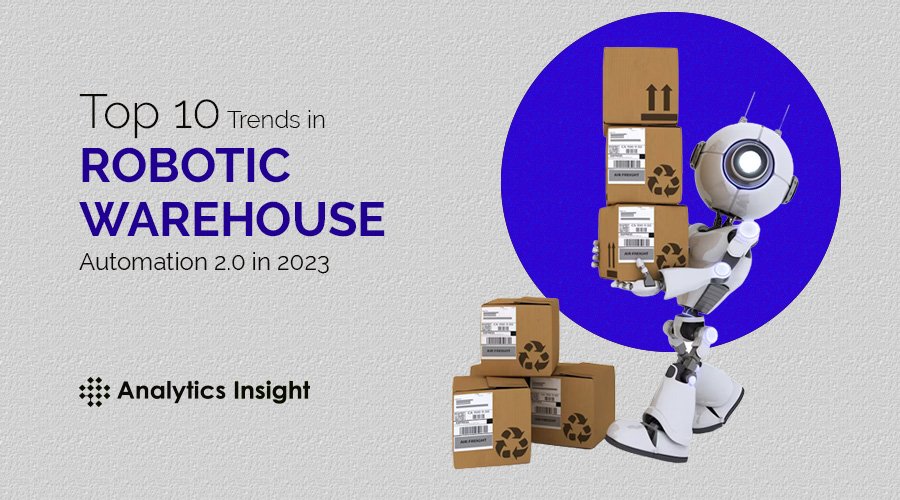
Top 10 Trends in Robotic Warehouse Automation 2.0 in 2023

Robotic Warehouse Automation 2.0

The top 10 trends in robotic warehouse automation 2.0 in 2023 is combining human labor and robotic processes

The top 10 trends in robotic warehouse automation 2.0 in 2023 are combining human labor and robotic processes and is essential for providing the highest degree of service. Warehouse room and efficiency are critical as eCommerce and fast delivery standards rise.

Robotic warehouse automation is in high demand and has become a major business. Robotic Warehouse room and efficiency are critical as e-commerce and fast delivery standards rise. Robotic storage automation can help satisfy space demands while increasing output. In the face of rising real estate and personnel costs, automated facilities are becoming increasingly important.

The top 10 trends in robotic warehouse automation 2.0 in 2023

  1. Multi-cloud-based Warehouse Management System (WMS): Cloud-based warehouse management options are intended to aid in the essential functions of daily warehouse operations. A cloud-based system provides warehouse management with a simplified tool for enhancing interactions and inventory management. A cloud-based system eliminates IT integration, finance, and scalability issues while also providing high degrees of interoperability and an adaptable SaaS-based operating system.

  2. Mobile Robots as a Service (RaaS): Raas is a subscription-based leasing service that enables facilities to hire autonomous mobile robots (AMRs). Leasing robots rather than buying them directly help warehouses in a variety of ways, both monetarily and logistically. It makes best-in-class multi-robot devices more affordable because the cost is shifted to a running expenditure (OpEx) with a low starting investment. (CapEx). It also makes scaling much simpler because adding or upgrading required machines is much easier with a subscription service.

  3. Automated Storage and Retrieval Systems ASRS: Various computer-controlled automatic storage systems keep goods in a small area and recover them quickly when required. These devices assist warehouses in maximizing vertical and horizontal area. Vertical storage can be expanded to heights beyond the grasp of humans. Because of the tiny dimensions of ASRS devices, storage containers can be put closer together.

  4. Internet of Things (IoT): IoT consists of interconnected items that can gather and exchange data in real time via embedded sensors. An RFID tag is placed on each object that needs to be tracked in a supply chain or management of inventory, providing essential data to allow crucial decision-making. IoT can be used to improve communication between vendors and customers throughout the worldwide supply chain. The Internet of Things (IoT) in warehouse management offers insight into the supply chain process from purchasing to cargo transportation or third-party logistics warehouses.

  5. Big Data and Analytics: Warehouses generate massive amounts of data, which needs analytics to make meaning of. Big Data is made up of huge data sets that go beyond what is typically used to handle and analyze data within a single business. Warehouses can watch and trace inventory across the supply chain and into the outside world using Big Data Analytics. Large amounts of data analytics also assist supply chain executives in making critical choices based on correct projections.

  6. Collaborative Robots (COBOTS): COBOTS are robots that are intended to communicate with humans. These machines contribute to automation by performing monotonous, physically demanding, complicated, or dangerous duties. COBOTS can be adaptable and simple to design, enhancing their collaboration with human workers. These automatic guided vehicles, which are frequently used for examination and selection, enable employees to focus on duties that require problem-solving abilities.

  7. Voice Picking: To interact with warehouse employees during the purchase fulfillment procedure, voice instructions are used. Also known as voice-directed storage or pick-by-voice. This method is paperless and frequently has multi-language support for popular languages. A voice-picking method boosts output by reducing mistakes and improving efficiency.

  8. Wearables: Small processors that warehouse employees can wear on their arms, heads, or other portions of their bodies while working. Wearable technology frees storage of employees’ wrists, allowing them to work faster and more accurately. When connected to cloud-based technology, the data they generate can be uploaded instantly, increasing inventory and order fulfillment precision.

  9. Smarter Layouts: The inner and exterior of a warehouse are both included in a warehouse plan. Today’s warehouses use technology such as automated shelving to aid in data movement and product administration. A smart structure is built for scalability, enabling facilities to adjust to increased demand.

  10. Drones: Drones, which are commonly linked with soaring outside, are getting appeal in warehouse automation. They can fly around scanning pallets and tallying inventory, and they link to cloud-based WMSs, immediately sending gathered data. Some storage drones are capable of scanning 200-400 containers per hour.

The post Top 10 Trends in Robotic Warehouse Automation 2.0 in 2023 appeared first on Analytics Insight.

Top 10 High-Paying Robotics Jobs to be Available in India in 2023

Top 10 High-Paying Robotics Jobs

Top high-paying robotics Jobs in 2023 that one can pursue with a bachelor’s degree

Robotics is the study, practice, and production of machines that can carry out certain tasks. There are many jobs in this broad subject, including those in engineering and artificial intelligence. Robotics experts build devices that are capable of carrying out particular jobs that would typically be handled by humans. These experts can build robots with artificial intelligence that learn as they carry out tasks. The following list of 10 lucrative robotics careers you can pursue with a bachelor’s degree:

Algorithm Engineers: The highly specialized and adaptable code created by algorithm engineers enables well-functioning robots and innovative systems. An algorithm is a collection of guidelines that a machine can use to solve issues. Algorithms are used by robots to anticipate human behavior and movement.

Aeronautical Engineer: A robotics-trained aeronautical engineer could develop robotic equipment for use on airplanes and ships. This may involve using robots to drive various vehicles and collect samples. Because these robots typically have to survive harsher settings and negotiate more challenging environments, they require higher degrees of design and production.

Design Engineer: A design engineer in the robotics industry creates machine design prototypes. They might look into new techniques for building robots and figure out the most affordable way to build brand-new equipment. Robots are tested by design engineers to gauge their effectiveness and security. To produce cutting-edge designs, these engineers frequently collaborate in teams.

Interface Designer: A professional who develops software that enables users to communicate with and command robots are known as a user interface designer. Button and text boxes for text input are common components of user interfaces. A robotics team’s user interface designer concentrates on creating an interface that is usable by the target user.

Robotics Engineer: Robotics engineers come up with novel robot concepts and build prototypes. To perfect the robot’s details, they create designs and collaborate with groups of other engineers and designers. A robotics engineer is better familiar with the mechanical and software procedures involved in building a working robot.

Hardware Engineers: Technology experts known as hardware engineers specialize in designing and installing hardware parts such as circuit boards, hard drives, and processors. The hardware engineer creates and tests the system’s physical components, in contrast to software engineers. Robots can process and store information thanks to these components.

Mechanical Engineer: A mechanical engineer is a specialist who concentrates on the robot’s mechanics and upkeep. This includes features like the robot’s construction and motion. Depending on the robot’s functions, they might also choose the ideal materials, such as steel or aluminum, for it.

Sales Engineer: Sales engineers are experts who market highly technical products like robots. Potential buyers can grasp the specifics of the technology since they are familiar with them and can express them plainly. Sales engineers frequently have engineering backgrounds, and they employ human abilities like communication and negotiation to build relationships with clients and persuade them to buy robots.

Computer Scientist: A person who studies technology and computers is known as a computer scientist. They could contribute to the creation of robot parts and software. Robots can connect to the cloud and communicate with other gadgets and robots with the aid of computer scientists.

Data Scientists: Robots may be assisted in connecting to databases by a data scientist with expertise in robotics. Robots can successfully use software developed by data scientists. Students can research robot data to learn more about the developing field.

The post Top 10 High-Paying Robotics Jobs to be Available in India in 2023 appeared first on Analytics Insight.
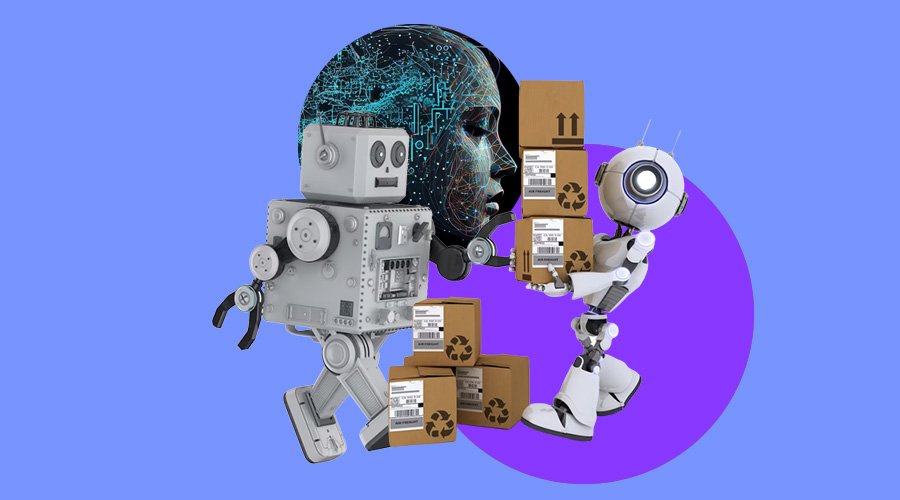
How Robots Can Make a Positive Impact on Our Future?

Robots in future

Robots can make a positive impact on our future and build automation that can do

Robots can make a positive impact on our future and build automation that can do the dull, dirty, and dangerous tasks that humans either shouldn’t or can’t do. Ideas were still very basic at the time, and a lot has changed in terms of sophistication and growth since then.

Robots impact our future and have always intrigued humans. There are allusions to robot-like automata in texts dating back to the 3rd century B.C., and some of Leonardo da Vinci’s robot designs are also well-known. Of course, our knowledge of robots at the time was still very basic, and a lot has evolved in terms of complexity and development since then. The current aim of Robots’ positive impact development is to create automation that can perform dull, dirty, and dangerous jobs that humans either should not or cannot do.

detecting and deactivating bombs, working in environments too hot, cold, or radioactive for humans to live producing goods or components repeatedly. To accomplish this, the present level of artificial intelligence must be significantly increased. Robots must be able to function with extraordinary motor accuracy and analytical reasoning to function properly. They must comprehend and interact intelligently with their surroundings, humans, and other machines.

Robotics Now and in the Future:

Robots can have a significant effect in a variety of fields, including Military operations, primarily in transportation and search and recovery.

For handling assembly line duties in industrial manufacturing. Agriculture, where drones handle weed management, seeding, and soil analysis.

A robot would perform everything from disinfecting to performing operations in medicine.

Household cleaning, therapy, and instruction are examples of domestic services.

Nanotechnology, in which nanobots could be created to combat cancer or to deliver drugs to specific parts of the body in need.

They have the potential to significantly enhance our quality of life and health. They would undoubtedly eliminate many jobs, but the majority of those positions would be unappealing manual labor. Instead, everyone could begin to perform more creative, intelligent, and complicated tasks. Robots would free up our minds and allow us more time to do things we care about.

Sophia, the Humanoid Robot: Sophia is an intriguing automaton that you may be familiar with. Sophia, a social humanoid machine, was awakened in 2016. She can see and communicate with humans, draw and walk around, and has a wide range of facial expressions. She is also the first automaton to be granted national citizenship. If we are successful in creating advanced social robots, we will be able to take better care of the elderly, reduce the burden on healthcare workers in hospitals, and enable more people to achieve their full potential.

The post How Robots Can Make a Positive Impact on Our Future? appeared first on Analytics Insight.

Top 5 Robot Trends Will Shape Automation in 2023

3--(Video)-Top-5-Robot-Trends-for-2023--Shiva

The top 5 robot trends that will shape automation in 2023 are enlisted in the article

Energy efficiency: Energy efficiency is critical to increasing businesses’ competitiveness in the face of growing energy costs; robotics adoption can help reduce energy utilization in production in a variety of ways. When compared to traditional assembly lines, substantial energy savings can be realized through reduced heating, while high-speed robots boost output rates, making fabrication more time- and energy-efficient.

Reshoring: Resilience has emerged as a key motivator for reshoring in a variety of sectors. Automobile manufacturers, for example, are spending significantly in short supply lines to bring procedures closer to their consumers. These makers use robot automation to produce strong batteries in large amounts at a low cost to support their electric vehicle projects, rendering hefty battery shipping obsolete.

Ease of use: As OEMs collaborate with low-code or no-code technology partners to allow users of all skill levels to program robots, the emergence of new automation platforms are making it simpler for non-experts to program industrial robots. Extensive robotics code is being replaced by new, easy-to-use software with simple user experiences, opening up new robotics automation possibilities.

Artificial Intelligence (AI) and digital automation: Manufacturing is being transformed by networked machines. Robots will increasingly function as part of a digital environment, with cloud computing, big data analytics, or 5G mobile networks providing the technical foundation for optimal performance.

Second life for industrial robots: Because an industrial robot has a working lifespan of up to 30 years, new technology is resurrecting old robots. Industrial robot makers are now opening specialized repair facilities near their clients to restore or update used units in an environmentally friendly manner. This prepare-to-repair approach saves money and resources for both robot makers and their customers. Offering clients long-term maintenance is an essential addition to the circular economy.

The post Top 5 Robot Trends Will Shape Automation in 2023 appeared first on Analytics Insight.