Top AI Conferences of 2026

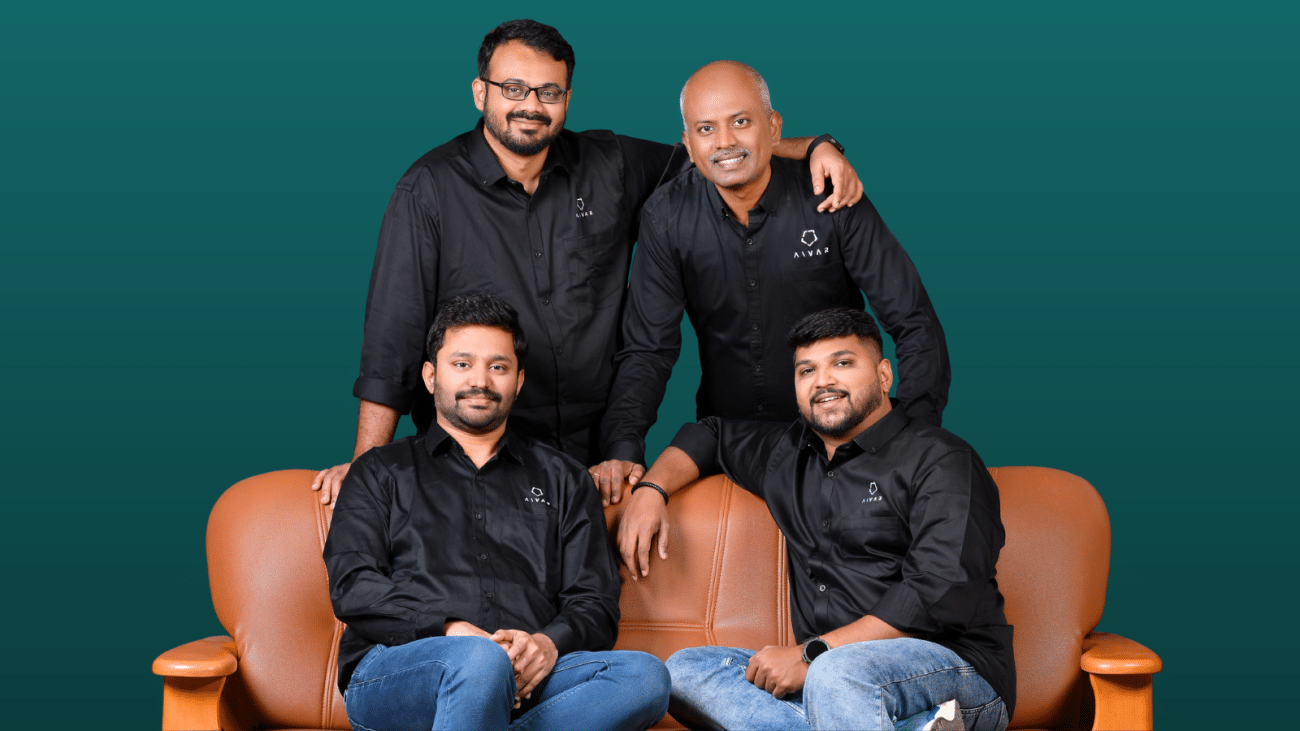
Genpact’s Global Enterprise Leader Edmund DeLussey, on Breaking Through the Noise to Achieve Success with GenAIGenpact’s Global Enterprise Leader Edmund DeLussey, on Breaking Through the Noise to Achieve Success with GenAI

Artificial intelligence has moved out of experimentation and into execution. In 2026, the most relevant AI conferences are no longer about hype or demos. They are about deployment, governance, talent, data foundations, and measurable business impact. Across regions, the focus has shifted toward enterprise adoption, AI-native engineering, startup scale-up, and leadership alignment.

Based on the confirmed 2026 calendar from AIM Media House, here is a structured view of the most important AI conferences to attend this year, mapped by audience and intent.

Cypher 2026

Cypher remains India’s largest and most influential AI and data science conference for enterprises. The 10th edition in Bengaluru brings together CXOs, data leaders, policymakers, and technology providers to discuss large-scale AI adoption, regulation, industry use cases, and platform strategy. Cypher is where enterprise AI direction in India gets debated and shaped.
October 7–9, 2026 | Bengaluru
Register: https://cypher.analyticsindiamag.com/

CDO Vision World Series 2026

The CDO Vision series is one of the most expansive executive AI forums globally, spanning more than 20 cities including New York, London, Dubai, Singapore, Tokyo, Berlin, Paris, Sydney, and Austin. These are closed-door, invite-only summits designed for Chief Data Officers, Chief AI Officers, and senior enterprise leaders. The emphasis is on governance, operating models, ROI, and scaling AI from pilots to production.
January–December 2026 | Global
Explore cities and register: https://cdovision.aim.media

MachineCon USA 2026

MachineCon USA is a North America–focused AI summit that brings together enterprise innovators, startup founders, and technology leaders. The conference is known for its practitioner-led sessions, real deployment stories, and strong enterprise participation across BFSI, healthcare, retail, and manufacturing.
July 24, 2026 | New York City
Details: https://machinecon.aimmediahouse.com/

MLDS 2026

MLDS is India’s biggest GenAI and machine learning conference for builders. The 8th edition focuses on applied generative AI, agentic systems, model evaluation, MLOps, and AI-native product development. MLDS attracts engineers, architects, and startup teams who are actively building and shipping AI systems.
March 26, 2026 | Bengaluru
Register: https://mlds.analyticsindiamag.com/

Data Engineering Summit 2026

As AI systems increasingly depend on robust data foundations, the Data Engineering Summit has become a critical stop for data leaders. The conference covers modern data stacks, lakehouse architectures, real-time pipelines, governance, and AI-ready data platforms.
May 14, 2026 | Bengaluru
Learn more: https://des.analyticsindiamag.com/

Happy Llama 2026

Happy Llama is a builder-first AI startup conference focused on open-source AI, early-stage founders, and operator knowledge. With editions in San Francisco and Bangalore, it brings together founders, investors, and platform teams through demos, the Llama Battleground pitch stage, and highly curated networking.
February 27, 2026 | San Francisco
https://happyllama.aimresearch.co/

March 13, 2026 | Bengaluru
Tickets: https://happyllama.analyticsindiamag.com

MachineCon GCC Summit 2026

The MachineCon GCC Summit focuses on Global Capability Centers and their evolving role in enterprise AI, data platforms, and engineering leadership. Hosted in Goa, it brings together GCC heads, global CIOs, and technology partners shaping offshore innovation and AI delivery models.
June 26, 2026 | Goa
Details: https://machinecon.analyticsindiamag.com/

The Best Firm Summit 2026

AI transformation is as much about people as technology. The Best Firm Summit examines how organizations are rethinking talent, culture, and leadership in an AI-driven workplace. It is relevant for HR leaders, CHROs, and business heads navigating workforce transformation.
April 17, 2026 | Bengaluru
Learn more: https://summit.bestfirm.aim.media/

Why These Conferences Matter in 2026

The defining shift in 2026 is maturity. AI conferences are no longer about what is possible. They are about what is operational, compliant, and profitable. The AIM conference portfolio reflects this shift clearly: enterprise leadership through CDO Vision, deep technical execution through MLDS and Data Engineering Summit, startup velocity through Happy Llama, and ecosystem scale through Cypher and MachineCon.

For enterprises, these events offer peer learning and strategic clarity. For builders and startups, they offer access to capital, customers, and real feedback. For technology providers, they offer credibility and direct engagement with decision-makers.

Explore the full 2026 AI conference calendar and secure your participation early.
View all experiences: https://aim.media/discover-events
Partner with AIM on custom AI events: https://aim.media/contact

2026 will reward those who learn fast, build responsibly, and execute at scale. These conferences are where that work happens.

The post Top AI Conferences of 2026 appeared first on Analytics India Magazine.

PM Modi Meets IndiaAI Mission Startups, Calls Them ‘Co-Architects of India’s Future’

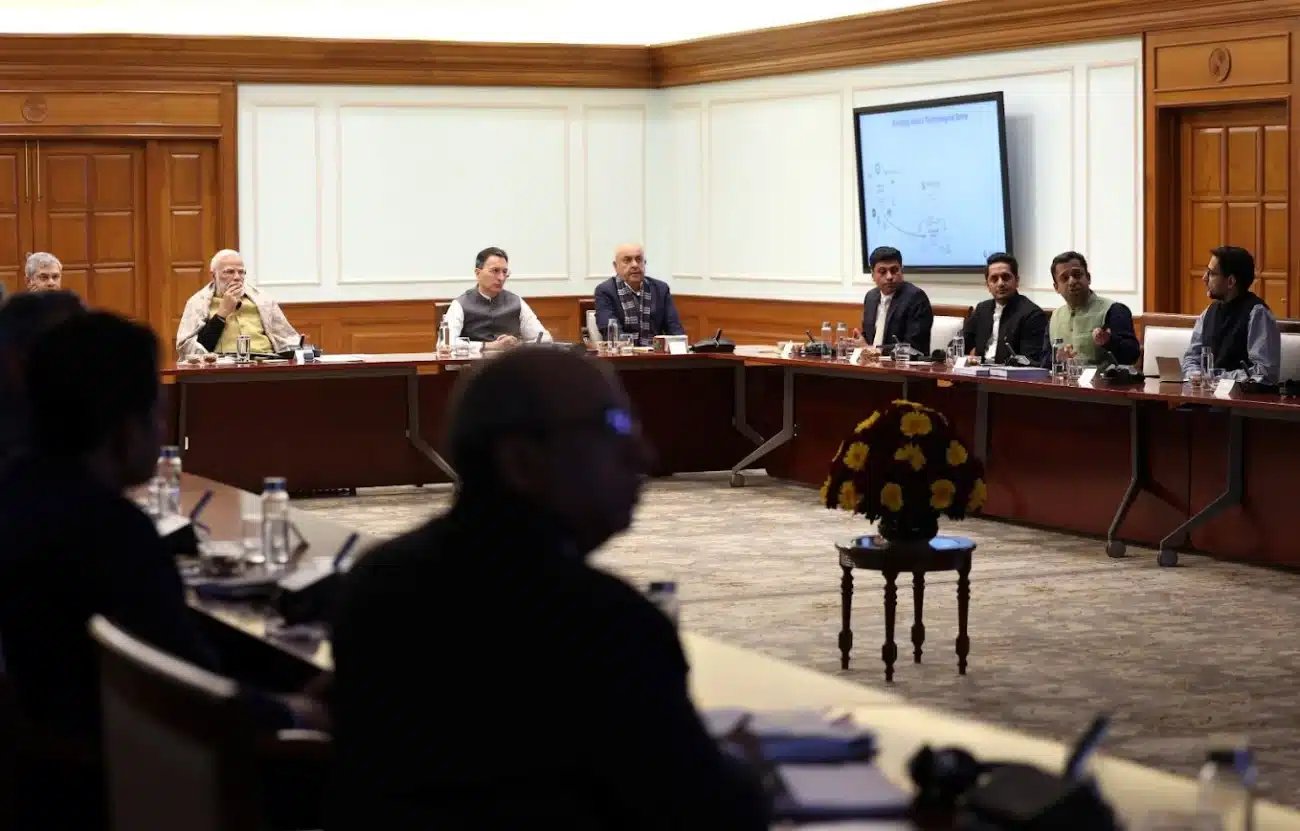
Ahead of the India AI Impact Summit 2026, set to be held in Delhi next month, Prime Minister Narendra Modi said artificial intelligence should be used to create a meaningful impact for people and society. He was speaking at a roundtable with 12 Indian AI startups that have qualified for the AI for ALL: Global Impact Challenge at the Summit, held at his residence earlier on Thursday.

At least two of these startups are expected to launch their large language models (LLMs) at the summit, Abhishek Singh, CEO of the IndiaAI Mission, had confirmed to AIM last month.

Calling the startups and their founders the “co-architects of India’s future,” PM Modi said the country has the capacity for both innovation and large-scale implementation. He urged the founders to present a unique AI model to the world that reflected the spirit of “Made in India, Made for the World.”

“The emphasis was on AI’s usability. The PM spoke at length about how AI models should be designed with actual impact in mind,” said Abhishek Upperwal, CEO of Soket AI.

He said the PM highlighted the need to put AI to practical use and to gauge its impact in terms of how it benefits people. Upperwal also said that the India AI Impact Summit would be key for the technology sector.

AI startups, including Avataar, BharatGen, Fractal, GAN, Genloop, Gnani, Intellihealth, Sarvam, Shodh AI, Soket AI, and Tech Mahindra, participated in the discussion. The startups were working across diverse fields such as e-commerce, marketing, engineering simulations, material research, healthcare, medical research and more.

Upperwal said Soket AI is building the model in two phases. The first phase is the math and code model, and the second focuses on defence and how opportunities are being built around leveraging the model for defence purposes.

He said PM Modi stressed the need for ethical, unbiased, transparent Indian AI models rooted in data privacy. “The Prime Minister urged startups to pursue global leadership with affordable, inclusive AI and frugal innovation, and emphasised that Indian AI models should be unique, support regional languages, and promote indigenous content,” Upperwal said.

The founders noted that the gravity of artificial intelligence innovation and deployment is beginning to shift towards India. They believed that India now provides a strong and conducive environment for AI development, firmly establishing the country on the global AI stage.

The post PM Modi Meets IndiaAI Mission Startups, Calls Them ‘Co-Architects of India’s Future’ appeared first on Analytics India Magazine.

Tamil Nadu Rolls Out Deep Tech Startup Policy with ₹100 Cr Investment Plan

In a significant advancement for the state’s startup landscape, Tamil Nadu has introduced the state’s Deep Tech Startup Policy 2025-26, allocating an investment of ₹100 crore to support 100 startups.

Chief Minister MK Stalin launched the policy during the 4th edition of UmagineTN 2026, Tamil Nadu’s premier technology conference, on Thursday.

The policy seeks to achieve 10 technology transfer or licensing agreements with academic and R&D institutions for commercialisation by industry or startups, and facilitate a 25% increase in annual patent filings by deep tech startups.

Additionally, it aims to train over 10,000 students and professionals in deep tech skills, such as AI, ML, robotics, and biotech, through specialised skilling initiatives, and to award 10 research fellowships.

Moreover, it aims to enable the procurement of deep tech solutions worth ₹10 crore through public- and private-sector market-access programmes, including innovation-friendly procurement schemes. Finally, the policy aims to promote global market access for 50 deep tech startups through export facilitation, trade missions, and international collaborations.

The state government aims to establish a ‘Government as Early Adopter Programme’ across five departments. It will support the pilot deployment, field validation, and scaling of deep tech solutions. Each department will have an annual budget of ₹5 crore, with the goal of implementing five proof of concepts or solution adoptions each year.

The policy encompasses all ecosystem participants involved in deep tech innovation, including Tamil Nadu-registered startups, academic institutions, and industry players. This includes corporate R&D labs, research consortia, incubators, accelerators, and any organisations that promote the growth and adoption of deep tech solutions.

Beyond funding targets, the policy, intended for a five-year extension, looks to position Tamil Nadu as India’s premier deep tech hub, aligned with its ambition for a $1 trillion state economy. It proposes deep tech innovation hubs, centres of excellence, and sector-specific test beds to support live validation for at least 25 startups annually, alongside TRL-based funding from early R&D to scale-up and a Deep Tech Fund of Funds to attract patient capital.

The policy also prioritises IP creation and retention within the state, streamlines technology transfer through the iTNT Technology Transfer Office, and implements a single-window approach via the iTamilnadu Technology (iTNT) Hub.

Sectoral priorities span semiconductors, EVs, biotech, clean energy, aerospace and space tech, with emerging focus areas such as quantum computing, photonics, and advanced materials, while embedding a govtech and social-impact lens for adoption in public services.

The post Tamil Nadu Rolls Out Deep Tech Startup Policy with ₹100 Cr Investment Plan appeared first on Analytics India Magazine.

Infosys–Cognition Deal Signals Why AI Cannot Skip Indian IT

Infosys CognitionInfosys Cognition

The idea that AI will somehow make Indian IT firms irrelevant keeps resurfacing every few months. But Infosys’ recent partnership with Cognition offers a more grounded reality.

Infosys is collaborating with Cognition to deploy Devin, described as the world’s first AI software engineer, across its internal engineering teams and client engagements, also through its composable AI agents platform, Topaz Fabric. The IT giant had already been using Devin internally, recognising improvements in engineering quality and efficiency. The rollout now moves from experimentation to scaled delivery.

The goal is to speed up software development, reduce time-to-market, and automate slow and manual engineering.

That’s where the story gets interesting. It signals that AI companies need Indian IT firms to deploy their product.

What Does it Mean for Indian IT?

Infosys plans to embed Devin within internal workflows, deploy it into client delivery models, and enable customers to run it inside their own environments. Scott Wu, founder and CEO of Cognition, framed the partnership as a way to bring autonomous engineering into the heart of complex enterprises.

“Silicon Valley tech is often too insular and self-referential; building for ourselves is easy, but solving the messy problems to meet customers where they are is hard,” Wu posted on X.

The timing of the partnership is also notable since it follows Infosys’ AI alliance with AWS, which aims to bring together Infosys Topaz and Amazon Q Developer to improve software delivery and internal operations.

A clear pattern is emerging. Native AI companies are building powerful tools, cloud providers are embedding them into their platforms, and Indian IT firms are becoming the execution layer.

In a conversation with AIM, Gaurav Vasu, CEO of the cognitive intelligence platform UnearthInsight, observed a familiar cycle repeating. “The partnership between Infosys and Cognition AI signals that AI-era alliances will closely mirror earlier product-service ecosystems built around SAP, Microsoft, Oracle, and IBM,” he said.

Earlier, enterprise software vendors depended on system integrators to modernise global businesses at scale. AI platforms, Vasu argued, will follow the same path.

This also challenges the idea that AI will hollow out Indian IT. Vasu noted that AI is changing the nature of work rather than eliminating the role of service firms. Coding agents can generate and refactor code, yet large transformation programmes still require integration, security, compliance, and change management.

An AI agent can rewrite an application. Deploying it across a global bank still needs domain experts, architects, and delivery teams.

That shift has implications for hiring. Routine tasks will shrink. Demand will grow for AI engineers, data specialists, platform architects, and governance roles. “Overall, AI improves productivity and speed of delivery, while Indian IT firms remain the enterprise execution layer that turns AI capability into real business impact,” Vasu added.

Sanchit Vir Gogia, founder and CEO of Greyhound Research, predicted an impact on hiring. “This is not the end of Indian IT hiring, but it is absolutely the beginning of a shift in what those hiring patterns look like,” he told AIM.

He explained that tools like Devin change the economics of work. “It reduces the need for large pools of entry-level engineers who were previously tasked with repetitive, rules-based tasks. Those roles are now exposed to automation.”

At the same time, he noted that demand is moving up the stack. “Firms are prioritising engineers who can supervise AI agents, design workflows that include them, and ensure compliance and reliability.”

He also pointed to client pressure for optimising deliverables. “Enterprise buyers are now expecting measurable productivity gains, and they expect those to show up in either reduced pricing or accelerated timelines.” This is already affecting staffing models. “Providers are being asked to demonstrate how they will deliver more with less, and that has a direct impact on workforce planning,” he added.

The result, Gogia remarked, is a reshaping of the classic IT pyramid. “The wide base of junior staff is narrowing, and the focus is shifting to mid-tier and senior roles with deeper skills in orchestration, governance, and AI oversight.”

The Infosys-Cognition deal also fits into a wider pattern across the industry. Cognizant has emerged as a major revenue partner for Lovable. Accenture has partnered with Bolt. Hexaware recently tied up with Replit. These alliances point to agentic AI becoming a new business vertical for Indian IT.

What Does it Mean for Infosys?

Infosys is hedging against disruption; it is rather positioning itself as a conduit for enterprise AI.

Historically, Vasu noted that ecosystem partnerships contributed 40–50% of revenue for Indian IT firms. Agentic AI partnerships are still small in comparison, estimated at 5–8%of revenue, yet their strategic importance is high.

Gogia affirmed that the Infosys-Cognition deal marks a clear shift from experimentation to execution. “This is not a vendor alliance for narrative gain or tooling access. What we are seeing here is a calculated move to embed autonomous agents into the core engineering ecosystem, both internally and within client-facing projects.”

“It is no longer about how many engineers you can staff, or how many locations you can deliver from. It is about how fast, safely, and predictably you can deploy change across large and messy technology estates,” he added.

Infosys is signalling that AI agents will become core delivery building blocks.

“The industry has historically been anchored to effort-based pricing models. In an agent-enabled future, that model loses power,” Gogia remarked, adding that Infosys is trying to move toward outcome-led conversations. “The use of agentic AI tools such as Devin is being framed not as a productivity hack, but as a rethinking of how software is engineered and delivered.”

The deal is giving the wider industry a reality check. “These partnerships will act as a litmus test for existing internal agent programmes,” he noted, signalling that IT firms will now have to evaluate their homegrown agents against platform-grade agents like Devin on auditability, performance, and integration.

In the last quarter, Infosys reported strong results, with profits jumping 13.2% year-on-year to ₹7,364 crore, but stopped short of giving a breakdown of AI revenue. That contrasts with peers like TCS and HCLTech, which have already put a number on AI contributions.

In the end, AI tools, no matter how advanced, still need organisations that understand scale, regulation, legacy systems, and business risk. With more IT firms poised to collaborate with native AI companies, the apocalyptic future of AI engineers replacing humans may never appear.

The post Infosys–Cognition Deal Signals Why AI Cannot Skip Indian IT appeared first on Analytics India Magazine.

This Bengaluru Startup is Betting on Light to Build India’s Quantum Future

Quantum computing has long promised to solve problems that classical machines struggle with, from modelling complex molecules to optimising large systems and even applications in materials and drug discovery. Yet, despite decades of research, most quantum computers remain confined to labs, dependent on extreme cooling, fragile hardware, and tightly controlled environments.

As the field matures, many stakeholders now feel that if these machines are to move beyond demonstrations and into real-world infrastructure, they will need to scale, connect and operate within practical limits.

Enter photonic quantum computing. Instead of relying on superconducting circuits cooled to near absolute zero in cryogenic chambers, photonic systems use light particles as qubits.

Supporters of the approach argue that photons—central to fibre-optic communication networks—may offer a more natural route to scale and interconnect quantum systems.

Quanfluence is working on just that. The Bengaluru-based startup is building a photonic quantum computer and chips from the ground up. Its co-founder and CEO, Sujoy Chakravarthy, is a semiconductor entrepreneur turned quantum hardware founder, who believes that the path to usable quantum systems lies in rethinking the architecture itself.

His decision to turn to photons reflects frustration with the current state of the field. “There is no established method of doing things,” he said, pointing to the variety of competing approaches, from superconducting qubits to trapped ions and silicon spins.

Despite years of progress, large-scale machines remain elusive. “Scaling was the biggest limitation in all of these methods,” Chakravarthy said, “which is why you do not have a million-qubit machine today.”

For Quanfluence, photonics offered the least constrained route forward. “The qubits are already photons,” he said. “So it’s easier to scale.”

Why Photonics Looks Different

A key advantage, according to Chakravarthy, lies in operating conditions. Unlike superconducting systems that require extensive cryogenic cooling, photonic machines can run largely at room temperature.

That distinction matters as data centres face growing energy demands. They also enhance connectivity. Today’s computing infrastructure relies on optical fibre to link machines. Quantum systems, however, cannot simply copy data between nodes.

In his view, photonics fits naturally into that future. “Today, when you think of how machines are connected in a data centre, it’s through photonic links,” Chakravarthy said. “So what you have to do is put some kind of transduction where you go from one machine to the other, and my imagination of that transduction is somehow photonics,” he added.

Quanfluence’s work is deeply hardware-led. The company builds core components, such as measurement systems and single-photon detectors, in-house, and most of them operate at room temperature.

These are used in communication, quantum random number generation and quantum key distribution. “Some of these parts today are commercially available from Quanfluence,” he said.

While these products generate revenue, they are not the end goal. “Our main business is that all of these go into that machine we are building,” Chakravarthy said.

The most challenging piece remains the resource state generator, which he described as having the lowest technological readiness. Resource state generators form the fundamental blocks of fusion-based quantum computing as they create highly entangled quantum states.

Bridging the Gap Before the Big Machine

Alongside its long-term quantum computer effort, Quanfluence has built a separate system aimed at today’s optimisation problems, which can be tackled without full quantum hardware.

Quanfluence developed what Chakravarthy calls a quantum-inspired machine based on the Ising model of quantum magnetism. “You can load an energy function onto that, and you get the same answer,” he said.

The system does not require cryogenic cooling and fits into a standard data centre rack. “We actually have customers who are using that,” Chakravarthy said. While it is not a quantum computer, he sees it as a practical bridge. “It fills the gap to a quantum computer.”

The speed gains can be significant for large problems. Chakravarthy cited vehicle routing as an example. “Some of these things [calculations] take 15–20 minutes,” he said. “A machine like this could do that in about 20 seconds.”

Accuracy is not absolute, but that trade-off is often acceptable. “You can’t really use something like this if you’re looking for a 100% accuracy solution,” he said. “If you get to 90%, it’s good. If you get to 95%, it’s great.”

What About the Chip?

Alongside system-level hardware, Quanfluence is building photonic chips that underpin its quantum architecture. Chakravarthy stressed that quantum hardware must ultimately move away from large optical tables.

“Finally, a big tabletop setup has to scale into a chip,” he said. The challenge is that photonic chip design does not yet benefit from the mature electronic design automation flows used in conventional semiconductors.

Much of today’s photonic chip work still starts from first-principles physics. Engineers design structures based on how light is expected to behave, simulate them using specialised physics tools, and only then move towards fabrication.

“Even the simulation tools are not the standard tools,” Chakravarthy said, noting that photonic simulations often rely on physics-based solvers rather than mainstream chip design software. This makes iteration slower and mistakes expensive.

Fabrication happens at external foundries, primarily outside India, with typical turnaround times of around six months per run. “A mistake can cost you a million dollars and one year of time,” he said.

To manage this risk, Quanfluence relies on extensive lab setups that allow the team to validate optical behaviour, measurement systems and integration workflows before committing designs to silicon.

While the intellectual property remains entirely in-house, the supply chain remains global, with critical components such as lasers, diodes and specialised fibres still sourced from the US and Europe.

For Chakravarthy, this chip work is not ancillary. It is central to converting quantum physics into engineering. Without reliable photonic chips, scaling qubits, integrating systems and reducing form factors remain theoretical goals rather than deployable outcomes.

The Road Ahead

Quanfluence does not follow a linear qubit roadmap.

“Getting my first qubit is a challenge,” Chakravarthy said. The company has publicly committed to reaching qubits by 2029, after which scaling would accelerate. “The year after that, about a 1,000-qubit machine.”

Chakravarthy’s roots lie in semiconductors, with a previous company acquired in 2018. Today, Quanfluence employs around 20 people, many of whom have a background in advanced physics.

He claims that government support has helped offset some of that risk. “We have a grant from the Department of Telecom (under the Digital Communication Innovation Square scheme),” he said, adding that the National Quantum Mission has been useful as well.

Yet, the biggest hurdle remains cultural rather than technical. “Believing that you cannot design greenfield technology out of India,” Chakravarthy pondered.

He does not see quantum as a replacement for AI or classical computing. “They are perfectly complementary technologies,” he said. Quantum systems, he argues, will tackle problems classical machines cannot.

When Quanfluence’s photonic quantum computer finally arrives, it will not resemble the dramatic machines often associated with the field. “It looks like a data centre rack. Nothing so exciting,” he joked.

The post This Bengaluru Startup is Betting on Light to Build India’s Quantum Future appeared first on Analytics India Magazine.

Data Centres Are Hungry for Energy, and India’s Grid Can Feel It

India’s digital infrastructure boom is colliding head-on with an unreliable power infrastructure. As data centres proliferate to support cloud computing, AI workloads, and digital public infrastructure, they are also gradually stressing India’s modernising, yet vulnerable, power grid.

Unlike industry or residential power consumption, which is cyclic in nature, data centres consume electricity continuously, predictably, and at scale.

According to the Takshashila Institution’s report, Building India’s Data Centres, an AI-intensive data centre in India spends half of its electricity on compute alone, while cooling systems account for another 25%. Storage and networking each consume 8.5%, while power conversion and distribution guzzle 6%.

Data centres are hungry for power, and it adds up. According to Shripad Naik, MoS for Power and New & Renewable Energy, India’s data centres consume around 1 gigawatt (GW) of electricity, which is equivalent to powering 750,000 homes, according to a Hexatronic Data Centre report. This is similar to powering most of Jaipur during peak hours, or serving the entire population of Indore.

Data centres are now fundamentally altering energy consumption patterns and forcing companies and policymakers to play catch-up.

The Cost of Staying Online

Electricity costs are now the single largest expense for data centres, often accounting for 40-60% of total operating costs. Takshashila’s comparative analysis shows how dramatically these costs vary by geography.

Annual electricity costs for a comparable data centre are estimated at $89.4 million in India (grid average), compared to $205.5 million in Germany and $261.6 million in the UK. Even the US, often seen as a low-cost energy market, stands at $93.1 million annually.

chart visualization

India’s cost advantage becomes even more apparent under round-the-clock (RTC) renewable group captive arrangements, where multiple industrial consumers jointly own a project to meet their demand using clean energy. Here, annual costs drop to $80-85 million, compared to $109-118 million under RTC third-party procurement—lower than the UK and Germany and comparable to the US. This differential is not academic; it directly shapes where hyperscalers choose to build.

Between 2019 and 2024, India’s data centre market attracted about $60 billion in investments with a CAGR of 24%, according to CBRE South Asia. Due to growing demand for digital services, the market is set to expand rapidly, attracting more foreign direct investment and partnerships with global tech firms.

However, data centres regularly rely on diesel generators for uninterrupted supply during grid failures or power hiccups, significantly increasing costs.

The central grid’s average price in India is$0.085 per kWh, while RTC renewables cost between $0.104–0.112. In contrast, diesel generators cost $0.28 per kWh.

chart visualization

Yet cost is not the only variable. Reliability, proximity, and grid stability increasingly outweigh marginal price differences.

State vs Central Grids

For large operators, the dilemma is not over whether to use grid power, but choosing which grid.

“We have basically everything coming from the states right now,” remarked Alok Bajpai, managing director of NTT, adding that power sourcing decisions are shaped far more by proximity and reliability than by formal jurisdiction. “Whether it is a central grid or state really doesn’t make a difference… reliability and proximity are more important than cost.”

This pragmatic view reflects operational realities. Latency-sensitive workloads benefit from power sources close to the data centre, reducing exposure to transmission failures. At the same time, India’s central grid offers greater redundancy and access to large renewable projects that many state grids cannot yet match.

“There are clear trade-offs,” explained Samrat Sengupta, technical director of ProClime, a carbon credits and net zero consulting solutions company. “State grids generally offer lower reliability and redundancy… but states with higher renewable penetration, like Karnataka, Tamil Nadu, and Maharashtra, can offer better access to renewables.”

Anwesha Sen, assistant programme manager at the Takshashila Institution and the author of the report, told AIM that central grid hubs tend to deliver more reliable, higher-quality electricity, largely because they are supported by integrated solar and wind projects and better transmission infrastructure. As a result, the central grid can help “keep energy prices relatively low for large data centres” that require stable, high-capacity power.

Additionally, though state power grids in tier-2 and edge locations are often less reliable, they play an important role in decentralising electricity supply and easing pressure on the national grid. To maintain uninterrupted operations in these regions, data centre operators are often forced to invest heavily in backup transmission lines, diesel generators, and battery storage, which “pushes overall power costs up despite lower base tariffs,” she said.

The report recommends increasing tariffs for data centres to manage costs for other consumers. However, this may deter investment in the sector due to higher operational expenses and slow down digital infrastructure growth.

The core challenge, she said, lies in reducing transmission and distribution losses across both state and central grids by modernising grid infrastructure, scaling renewable capacity, and integrating on-site power backup systems tailored for data centre operations.

India’s central grid has seen a significant increase in large renewable energy projects through solar parks, green energy corridors, and PLI schemes. As a result, data centres in states with low renewable energy levels, like Uttar Pradesh, Bihar, and West Bengal, may consider switching grids. However, state-specific incentives may be unavailable for those connected to the central grid, Sengupta highlighted.

From an emissions perspective, though, “there is currently very little difference between state and central grids,” he noted.

The Renewable Reality Check

Despite ambitious targets, India does not yet have reliable RTC renewable power at scale. Storage remains expensive, and as energy analysts have pointed out, India’s energy challenge is not a “24-hour problem” but rather a multi-day intermittency problem.

This gap has made solar-hybrid models attractive for data centres.

“Solar solutions can be developed in a hybrid configuration incorporating high-efficiency panels, storage, and support systems,” said Gautam Mohanka, director of Gautam Solar. He added that high-efficiency modules combined with batteries and smart energy management systems allow data centres to “operate with solar power” for significant portions of their load.

State-level open access policies play a decisive role here. “These policies allow data centres to enter power purchase agreements with solar facilities,” Mohanka noted, “thereby reducing reliance on the central grid.”

The priority, Sen said, is to incentivise clean power, enforce efficiency norms, and plan grid upgrades, renewables, and storage around data centre hubs so they become anchor customers for clean energy. At present, coal still dominates electricity generation in India, making data centres a major contributor to greenhouse gas emissions.

chart visualization

Climate Goals Under Pressure

The surge in data centres risks India’s climate commitments to fail by the wayside. Heat maps of data centre concentration show how clustering amplifies local power and water stress globally. India faces a similar risk, particularly in water-stressed regions where cooling loads are substantial.

According to an S&P Global report, data centres currently account for around 0.84% of India’s total electricity consumption, but this share is expected to rise as new investments drive the construction of larger facilities over the next five years. However, Sen noted that India is still “at an early point on the growth curve,” making course correction easier than in more mature markets.

She pointed to India’s expanding power-generation capacity, which crossed the 500 GW installed capacity mark in 2025, according to CREA. The focus is on renewables, grid reliability, and decarbonisation through initiatives such as the SHANTI Act and investments in small modular nuclear reactors.

“Beyond energy use, data centres are also major consumers of water for cooling systems, placing additional strain on this critical and scarce resource,” Sengupta noted.

While a full transition to 100% renewable energy remains the ideal, there are ground realities to consider. “Since RTC renewable power is still not widely available in India, the next best option is procuring renewable energy certificates (RECs and I-RECs),” he added.

But offsets alone are not enough.

Sengupta argued that data centres should be mandated to meet at least one-third of their total energy demand through dedicated RTC renewable energy, procured via open access or captive arrangements. Bringing data centres under India’s Carbon Credit Trading Scheme would also push systematic investment in both renewable procurement and efficiency.

Why Nuclear Is Back in Conversation

The Indian government’s recent move to allow greater private participation in nuclear energy has sparked renewed hope. Nuclear offers what renewables currently struggle to provide: stable, low-carbon baseload power. For data centres, which cannot tolerate intermittency, this makes nuclear an increasingly attractive, even if politically sensitive, option.

Big Tech companies, such as Amazon, Google, Meta, and Microsoft, are already considering going nuclear, signing long-term purchase agreements and supporting reactor restarts or small modular reactors (SMRs) to power data centres. In early 2025, they signed a pledge to “at least” triple global nuclear capacity by 2050.

India is also exploring SMRs, though still in early stages, for their scalability, safety, and suitability for decentralised energy solutions. Currently, India’s nuclear capacity stands at 8.8 GW, with plans to increase it to 22 GW by 2031-32, and 100 GW by 2047.

The Takshashila report also cited that the NITI Aayog and the Department of Atomic Energy are interested in policy and seeking global partnerships for technology transfer. However, the commercial rollout of SMRs may take several years due to regulatory approvals and local capacity building.

The report frames power infrastructure as the single biggest constraint on India’s data centre ambitions. Without parallel investments in generation, transmission, and storage, the digital economy risks becoming energy-limited.

Data centres also force a trade-off between state and central grids, cost and reliability, climate ambition and operational reality. But they also create opportunities. India’s relatively low power costs, especially under captive renewable models, give it a structural advantage in attracting global investment in cloud and AI. It all comes down to whether India can meet the moment.

The post Data Centres Are Hungry for Energy, and India’s Grid Can Feel It appeared first on Analytics India Magazine.
Coimbatore-based AI Startup Aivar Raises $4.6 Mn to Expand in US and Middle East

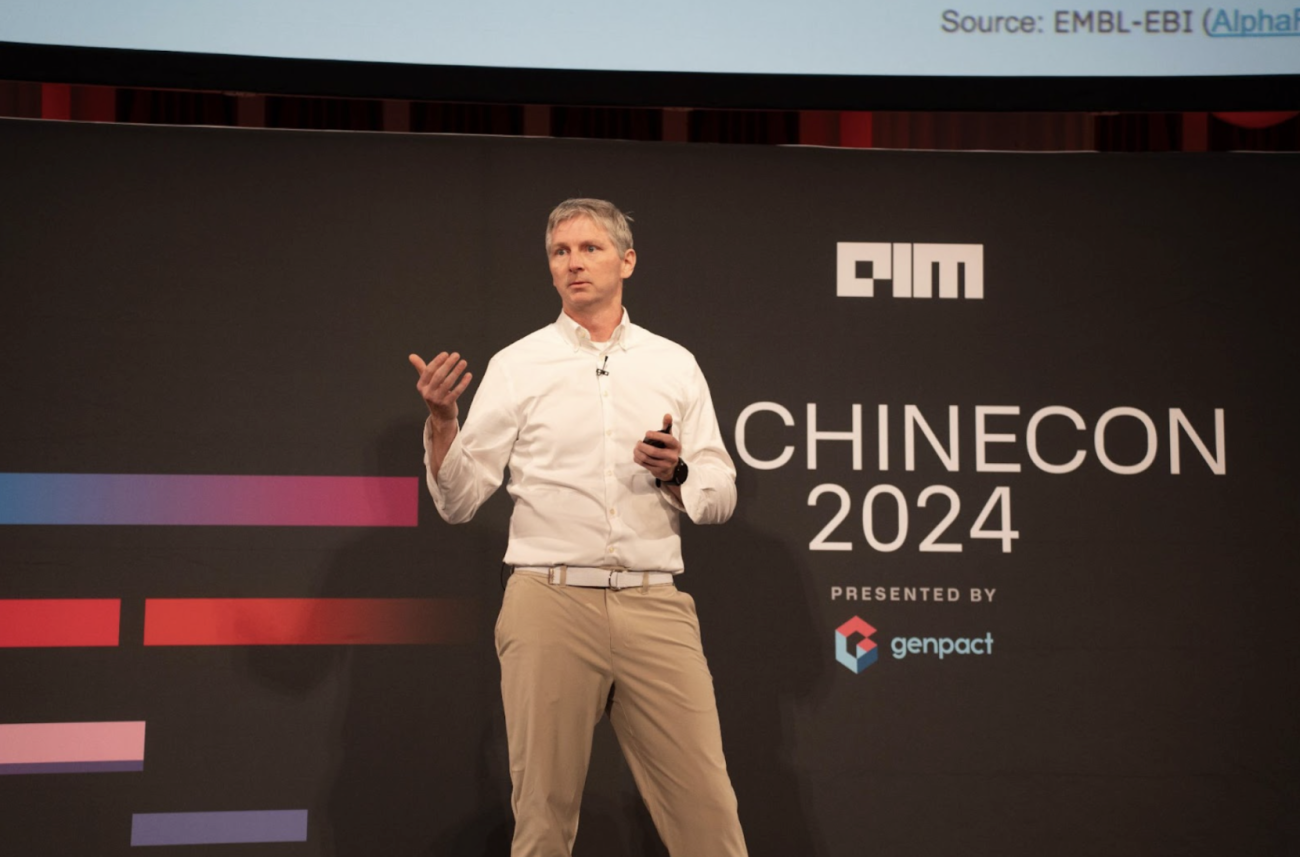
Coimbatore-based AI services startup Aivar has raised $4.6 million in a seed funding round, led by Sorin Investments, including contributions from Bessemer Venture Partners. The funds will be used to enhance Aivar’s reach in India, the US and the Middle East, while also continuing to invest in its AI accelerators, senior talent, and international delivery capabilities, as per the press release.

Aivar’s automation accelerator, Velogent, has enhanced the contract processing system for a logistics SaaS provider. Velogent streamlines intricate, heavily document-heavy workflows by leveraging agentic AI. The logistics provider required dependable three-way invoice matching involving contracts, payment orders, and invoices.

Additionally, Aivar developed a solution for the automated intake of contracts, agentic analysis and reconciliation of documents, and the automatic creation of records within supply chain systems.

“In less than a year, we’ve validated that enterprises need more than AI tools – they need partners who can execute transformation end-to-end. Our studio- and accelerator-driven approach combines the best of services and software, delivering outcomes in weeks that traditionally took months,” Kousik Rajendran, co-founder and CEO, said in a statement.

Founded in 2024 by former AWS colleagues Kousik Rajendran, Praveen Jayakumar, Ashwin Ram Ravichandran, and Aadharsh Ayappan, Aivar is a technology services partner focused on AI. The company provides swift and high-quality AI solutions for startups, tech-driven companies, and larger enterprises, backed by AWS validation and early-stage productized accelerators for voice, data, and diverse AI/ML tasks.

Mandar Dandekar, partner at Sorin Investments, said, “Aivar stands out by combining deep cloud expertise with AI-native accelerators that help companies move from intent to impact.”

The post Coimbatore-based AI Startup Aivar Raises $4.6 Mn to Expand in US and Middle East appeared first on Analytics India Magazine.

40 Million People Use ChatGPT Daily for Advice on Health, OpenAI Report Reveals

Innovaccer Secures $275MInnovaccer Secures $275M

AI tools are being used at scale to navigate healthcare systems, particularly for insurance-related queries, after-hours guidance and administrative tasks, according to a January 2026 report by OpenAI analysing anonymised ChatGPT data.

The report finds that over 5% of global interactions on ChatGPT are related to healthcare. On average, more than 40 million people turn to the platform daily with questions related to healthcare, and one in four users asks healthcare-related questions per week, indicating sustained use.

A large share of this activity relates to non-clinical tasks. The analysis estimates that 1.6 million to 1.9 million messages per week focus on health insurance, including plan comparisons, billing issues, claims, eligibility and cost-sharing. Users primarily seek help organising information, understanding terminology and preparing documents rather than medical diagnosis.

Timing data suggests AI is often used when traditional healthcare access is limited. Around 70% of healthcare-related interactions occur outside standard clinic hours, indicating a demand for information at night and on weekends.

Geographic disparities also shape usage patterns. Users in rural and underserved areas generate close to six lakh healthcare-related interactions per week. In areas defined as ‘hospital deserts’, locations more than 30 minutes from the nearest general hospital, AI tools recorded over 5.8 lakh healthcare-related messages per week during a four-week period in late 2025. States including Wyoming, Oregon and Montana ranked highest by share of such interactions.

Healthcare professionals are also using AI tools, largely for administrative support. Citing industry surveys, the report notes that 66% of US-based physicians reported using AI in 2024, up from 38% the previous year. Nearly half of US-based nurses report weekly use, primarily for documentation, billing and workflow support rather than clinical decision-making.

Meanwhile, OpenAI has released a new benchmark, HealthBench, designed to evaluate AI systems’ capabilities in healthcare.

The benchmark aims to help large language models support patients and clinicians with health discussions that are trustworthy, meaningful and open to continuous improvement. HealthBench looks at seven key areas, including emergency care, managing uncertainty and global health.

The post 40 Million People Use ChatGPT Daily for Advice on Health, OpenAI Report Reveals appeared first on Analytics India Magazine.
How Scrapping 3-year Eligibility Rule Changes the Game for India’s Deep Tech Startups

Deep tech startups face a level of scrutiny rarely encountered by ventures in other sectors. Long gestation periods, capital-intensive R&D, and uncertainty around speed-to-market often make them harder to assess as viable investment candidates.

In India, this challenge has been compounded by a long-standing policy hurdle: startups were required to operate for at least three years before they could gain financial support from the Department of Scientific and Industrial Research (DSIR).

That barrier has now been dismantled.

Rethinking How Deep Tech Is Evaluated

At the 42nd Foundation Day celebrations of DSIR on January 4, the Centre scrapped the mandatory three-year existence criterion for deep tech startups seeking financial assistance of up to ₹1 crore under the Industrial Research and Development Promotion Programme (IRDPP). Earlier, startups had to demonstrate sustainability and operational viability to become eligible for such support.

The move marks a significant recalibration of how the Indian government evaluates early-stage deep tech innovation, shifting focus away from corporate longevity toward technological merit and readiness.

Calling the decision a catalyst for accelerating India’s deep tech ecosystem, Union Minister for Science and Technology Jitendra Singh highlighted the government’s intent to back innovation earlier in a startup’s lifecycle.

“The lifting of the three-year existence requirement is a significant incentive to help deep tech startups scale faster, even before they are fully on their own,” Singh noted.

Why Early Access to Capital Changes Everything

For deep tech investors, the removal of the three-year clause addresses a long-standing bottleneck. Vishal Kataria, vice president at Ankur Capital, told AIM that early-stage deep tech startups often struggle due to a lack of translational funding during the TRL 1-3 phase.

Technology Readiness Levels (TRL) 1-3 describe the earliest stages of technology development, from basic principles to proof of concept.

“Relaxing the three-year existence requirement for DSIR recognition will enable startups to move quickly from R&D to a real-world prototype,” he said. Kataria added that speed at this stage is not just operationally critical, but also a strong signal when startups later raise equity capital. “It recognises that the pace of innovation need not be coupled with any externally enforced timeline.”

Policy advisors see the change as more than a procedural tweak. Parishrut Jassal, advisor at AI think-tank Future Shift Labs, described the move as a structural pivot in India’s innovation trajectory toward genuine technological sovereignty.

Jassal, who is also the founder of public sector-facing GovernAI, noted that the earlier viability clause often filtered out the most transformative ideas simply because they were too early. “By allowing early-stage startups to access DSIR recognition and fiscal incentives from day one, the new guidelines bridge the valley between in-lab proof-of-concept and market entry,” he explained, calling it a shift from a “compliance-first” to a “competence-first” evaluation model.

He also highlighted the importance of platforms such as the PRISM Network Platform (TOCIC Innovator Pulse), which he believes can convert fragmented innovation efforts into a cohesive national pipeline. Meanwhile, initiatives like Creative India 2025, which aim to establish India as a global hub for content creation, provide a roadmap to ensure that cutting-edge research translates into industrial patents and commercial outcomes.

For founders building at the frontier of deep technology, the implications are immediate and tangible. Vinay Chataraju, co-founder at Kritsnam Technologies, believes that “it shifts the focus from ‘vintage’ to ‘merit,’ ensuring early-stage innovators access critical funding and fiscal incentives when they need them most.” Vikram Jayaram, founder and CEO of Neuralix AI, called the decision a transformative moment for India’s deep tech ecosystem. “This policy shifts the paradigm from survival to acceleration,” he told AIM, adding that access to IRDPP funding at an earlier stage can dramatically change a startup’s trajectory.

“Deep tech startups aren’t like typical software businesses. They require longer development cycles, heavy R&D investment, and early validation long before revenue or three years of operations,” he added.

Jayaram asserted the move sends a powerful signal of trust in Indian innovators. For startups like Neuralix, early access to funding could accelerate prototype development, validate industrial use cases, and attract strategic partners without waiting for arbitrary timelines to expire.

More broadly, he sees the decision as evidence of India’s growing confidence in its own scientific and engineering capabilities. “This isn’t just a policy tweak, it’s a vote of confidence in Indian science, engineering, and entrepreneurship,” he said, adding that it could catalyse global IP creation, job growth, and long-term societal impact.

DSIR’s New Role

At DSIR’s foundation day celebrations, Jitendra Singh also asserted that effective research outcomes increasingly depend on early collaboration with industry. To encourage this, DSIR now offers financial incentives, such as customs duty exemptions, to strengthen partnerships with industry players, MSMEs, and startups.

The announcement also highlighted a broader cultural shift underway within India’s innovation ecosystem. Singh pointed to growing inclusivity, noting that more than 10,000 women have benefited from DSIR schemes, including over 55 women-led self-help groups.

From a strategic standpoint, the policy change aligns with broader national ambitions on technology sovereignty. Speaking at the event, principal scientific advisor Professor Ajay Kumar Sood underlined the importance of owning critical technologies in an increasingly fragmented geopolitical environment.

He referenced the ₹1 lakh crore Research, Development and Innovation Fund, stressing the need to push scientific breakthroughs in private-sector R&D from laboratories to markets, particularly at TRL 4 and above.

Sood also drew attention to structural mechanisms such as the National Technology Readiness Assessment Framework, designed to bring greater objectivity to technology evaluation, alongside initiatives like Manthan and Uthaan that aim to drive demand-led innovation and expand participation from tier-2, 3 institutions.

However, the union minister cautioned that, despite enhanced access to capital, deep tech startups would still be subject to appropriate evaluation standards linked to technological maturity. But if executed well, this shift could help position India not merely as a consumer of advanced technologies but as a primary laboratory for indigenous, globally competitive solutions.

The post How Scrapping 3-year Eligibility Rule Changes the Game for India’s Deep Tech Startups appeared first on Analytics India Magazine.

NXP, GE HealthCare Partner to Advance Edge AI for Acute Care at CES 2026

NXP Semiconductors and GE HealthCare have partnered to accelerate the use of edge artificial intelligence in acute care settings, unveiling two new AI-driven concepts in anesthesiology and neonatal care at CES 2026.

The partnership aims to improve clinical workflows and patient outcomes by delivering low-latency, secure, on-device intelligence at the point of care.

The collaboration combines NXP’s expertise in secure, high-performance edge processing with GE HealthCare’s medical technology capabilities to address the demands of environments such as operating rooms and neonatal intensive care units (NICUs), where clinicians require real-time, reliable insights without dependence on cloud connectivity, the companies said in a statement.

One of the concepts focuses on anaesthesia delivery in the operating room, introducing hands-free, voice-enabled interaction with anaesthesia equipment. Designed for fast-paced and crowded surgical settings, the system is intended to help anesthesiologists stay focused on patients while reducing cognitive load, alarm fatigue, and the risk of human error.

The second concept targets neonatal care through intelligent, live monitoring powered by agentic edge AI. The system is designed to detect events such as an infant crying or resting, the presence of unwanted objects in the crib, or changes in sleeping position.

All image processing is performed locally on the device using models built with NXP’s eIQ AI Toolkit, ensuring that no images leave the device and supporting security and privacy requirements.

Both concepts are built on NXP application processors with integrated neural processing units (NPUs), alongside a dedicated standalone NPU, and are guided by GE HealthCare’s Responsible AI principles, including safety, security, privacy, transparency, and fairness.

“At GE HealthCare, we build AI that keeps clinicians at the center, assisting clinical judgment and freeing up time for patient care,” Jeff Caron, chief digital and technology officer, Patient Care Solutions, GE HealthCare, said. He added that working with NXP enables exploration of secure on-device AI to complement cloud-based solutions in acute care environments.

Charles Dachs, executive VP and GM, Secure Connected Edge at NXP, said the collaboration brings together clinical trust and edge AI expertise to deliver practical, secure solutions. “Together, we aim to enable more personalised care, from continuous monitoring in the NICU (neonatal intensive care unit) and hands-free interaction with anaesthesia equipment to exploratory research concepts such as AI-driven risk prediction, automated triage, and personalised treatment recommendations,” he said.The companies said the concepts demonstrate how edge AI can play a growing role in transforming acute care by delivering timely insights, strengthening data privacy, and supporting clinicians in high-stakes medical settings.

The post NXP, GE HealthCare Partner to Advance Edge AI for Acute Care at CES 2026 appeared first on Analytics India Magazine.