CES 2024: Qualcomm AI Chip for Virtual and Mixed Reality Could Compete with Apple Vision Pro

At CES 2024 in Las Vegas, Qualcomm revealed its on-device AI for the Snapdragon XR2+ Gen 2 chip for virtual and mixed reality headsets. Then, during a Jan. 10 keynote, Qualcomm president and CEO Cristiano Amon spoke about enterprise use cases for virtual reality, including providing digital environments for training. He suggested three questions VR and MR might answer for enterprise: “How do you train people? How do you fully immerse in that digital environment? How do you evolve communications?” In addition, Amon talked about AI-enhanced phones.

Note: This article was updated to reflect the Jan. 10 Qualcomm keynote. TechRepublic is covering CES 2024 remotely.

Snapdragon XR2+ Gen 2 chips enhance mixed and virtual reality meetings

The Snapdragon XR2+ Gen 2 is the follow up to the Snapdragon XR2 Gen 2 Platform for AI, VR and mixed reality. The Snapdragon XR2+ Gen 2 offers the following:

  • 4.3K by 4.3K per eye resolution.
  • 90 frames per second.
  • Supports 12 or more concurrent cameras for movement tracking
  • Wi-Fi 7, Wi-Fi 6E, Bluetooth 5.3 and Bluetooth 5.2 connectivity.

The Snapdragon XR2+ Gen 2 has higher GPU frequency by 15% and CPU frequency by 20% compared to the Snapdragon XR2 Gen 2. That helps the Snapdragon XR2+ Gen 2 provide smoother “room-scale screens, life-size overlays and virtual desktops,” said Hugo Swart, vice president and general manager of XR, Qualcomm Technologies, Inc., in a press release.

SEE: In more CES 2024 news, HP debuted its Spectre x360 16 2-in-1 and Spectre x360 14 2-in-1 laptops capable of running local AI workloads. (TechRepublic)

“Our job was to create a computing engine that could make that technology (AI) run pervasively,” Amon said during Qualcomm’s CES keynote. “We are at a point that those (AI) capabilities in the processors and semiconductors are becoming available. The next step is to develop those use cases and applications.”

For businesses and employees, that means more efficient virtual desktops, virtual meetings and virtual demonstrations. Keep in mind that this doesn’t necessarily mean generative AI running on a headset; instead, the single-chip AI performance helps keep track of all the data required to merge digital and physical images.

“Spatial computing (is) going to be another computing platform that is going to eventually get a lot of scale,” Amon said during the keynote.

Qualcomm’s competing with Apple, Intel and NVIDIA

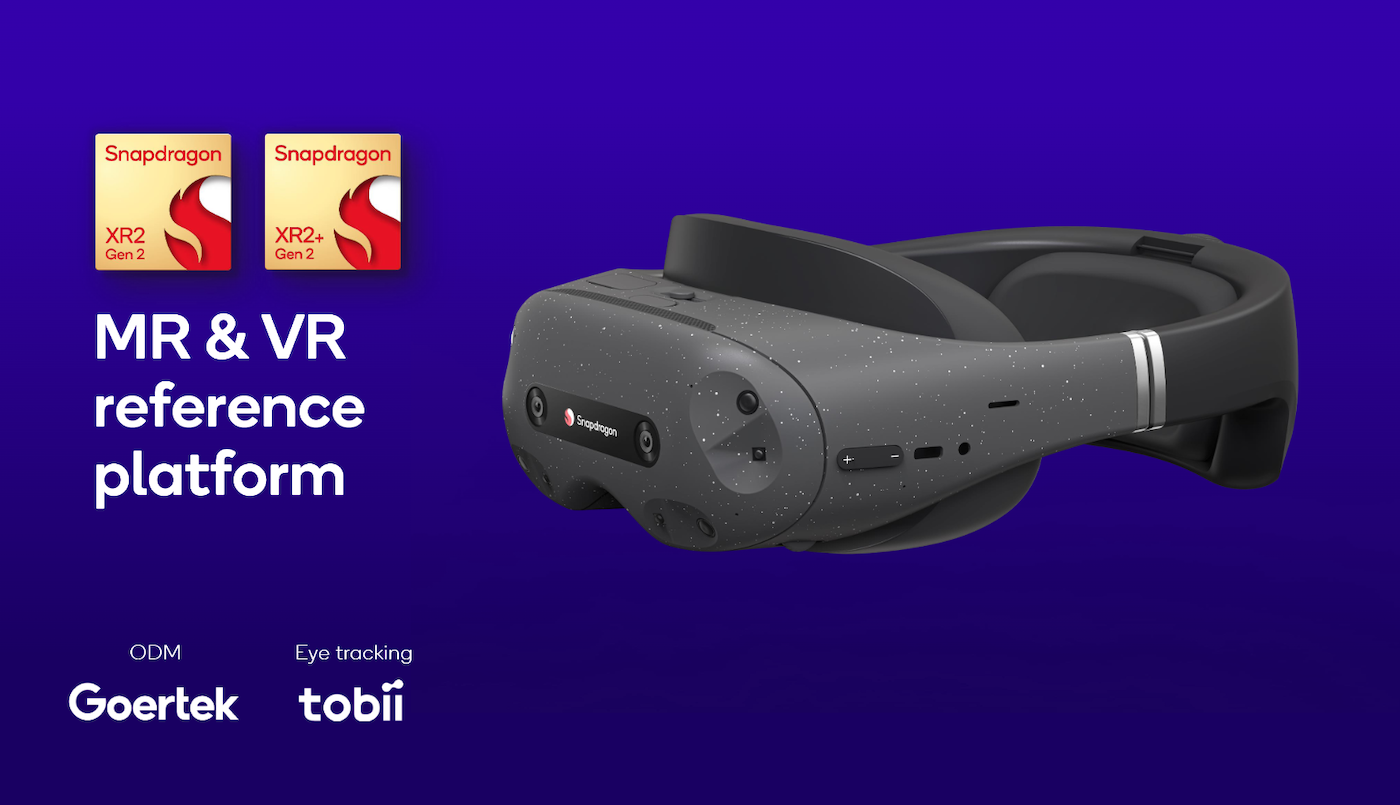
Samsung and Google will use the Snapdragon XR2+ Gen 2 in their planned virtual reality offerings (Figure A) running on Android, which could eventually compete with the Apple Vision Pro. The Snapdragon XR2+ Gen 2 currently competes with Intel’s AI PC technology for lightweight devices and automotive, as well as with NVIDIA’s semiconductors.

Figure A

The reference platform for Qualcomm’s VR and MR headset. A reference platform is a proof of concept for potential hardware applications.
The reference platform for Qualcomm’s VR and MR headset. A reference platform is a proof of concept for potential hardware applications. Image: Qualcomm Technologies, Inc.

Qualcomm looks ahead to AI-enhanced phones

During his keynote, Amon discussed Qualcomm’s history in the mobile phone space. Developing chips on which to run AI represents an evolution of mobile device technology, he said, but he doesn’t predict AI-powered devices will replace today’s phones.

Instead, Amon said, “What’s going to happen now is the phone is going to have a different role, which is not only what it used to do where the phone is good for all the apps you have, but also the phone is going to be communicating with the cloud. The phone is not going anywhere, but it is going to be enhanced by AI.”

For example, Amon said, a person might ask a generative AI assistant to call an Uber. Instead of using the Uber app on the phone, the generative AI assistant may connect directly to Uber through the cloud.

Qualcomm’s car tech news at CES 2024

Qualcomm continued the classic CES trend of showing off the latest automotive tech with its Snapdragon Digital Chassis platform, which enables connected car services for on-the-go work and life efficiency. Other connected car offerings from Qualcomm being demoed at CES 2024 include:

  • Snapdragon Ride Platform, which helps global automakers and Tier-1 suppliers build automated driving solutions up to Level 3 driving assistance functions such as lane keeping and automatically maintaining speed.
  • Snapdragon Ride Flex SoC, centralized computing for digital cockpit, driver assistance and certain autonomous driving functions on a single system-on-chip.
  • Snapdragon Car-to-Cloud Services provide a way for organizations to push upgrades to connected car services.
  • A highly efficient cloud-native environment for automotive application development and deployment provided in collaboration with AWS.
  • Snapdragon Digital Chassis SoCs for Two-wheelers for small vehicles and agricultural or farming vehicles.

One of the upgrades is Qualcomm’s “next generation Gen AI-enabled digital cockpits” for generative AI on the edge (in this case, on the go). That means cars, depending on individual brand and app offerings, can run generative AI apps for dynamic updates of information relevant to drivers on the road. Services and recommendations can be personalized, and apps can anticipate the driver’s preferences and needs.

“Our commitment to advancing automotive technology in support of global automakers, Tier-1 suppliers and our ecosystem partners is helping shape the future of software-defined vehicles and is accelerating us into a new era for the automotive industry,” said Nakul Duggal, senior vice president and general manager of automotive and cloud computing at Qualcomm Technologies, Inc., in a press release.

Quora’s AI platform could likely come to dictate the company’s future

Quora’s AI platform could likely come to dictate the company’s future Alex Wilhelm 20 hours

Like a lot of people, I am working to become more fluent with AI this year. This has included working to self-host LLMs, reading the odd research paper, and trying to keep up with the news to ensure that I am up to date on the state of the art.

The Exchange explores startups, markets and money.

Read it every morning on TechCrunch+ or get The Exchange newsletter every Saturday.

It’s not been nearly enough given the sheer pace at which AI models, and the tools and services that they underpin, are developing. But we must do what we can. So, when Quora announced this morning that it had raised $75 million at a $500 million valuation to support its AI-related work, I was intrigued.

Quora has been around for an age, and I use it occasionally when hunting for a specific, niche bit of information. It turns out, however, that I am quite far behind on what the company has been building lately.

So, what is Quora today? The company’s question-and-answer product still exists and includes a consumer subscription offering. And then there’s Poe, which Quora launched back in early 2023. At the time, TechCrunch reported that the service was going to sit apart from the rest of Quora:

The company explained it decided to launch Poe as a standalone product that’s independent of Quora itself because of how quickly AI developments and changes are now taking place. However, there will be some connections between the Q&A site and Poe. If and when Poe’s content meets a high enough quality standard, it will be distributed on Quora’s site itself, where it has the ability to reach Quora’s 400 million monthly visitors.

Later in 2023, Quora made it possible for users to create their own chatbots using Poe and make money from them. Poe has a paid tier, which costs $20 per month, with discounts for subscribers that pre-pay for a year’s service. If a user’s chatbot helps drive a conversion, they get a cut of the resulting revenue. The rules behind the payouts seem fair enough.

ChatGPT Now Has a Team Plan

OpenAI has expanded its ChatGPT offerings with the introduction of ChatGPT Team. The newly introduced ChatGPT Team provides access to advanced models like GPT-4 and DALL·E 3, along with tools like Advanced Data Analysis.

ChatGPT Team features a dedicated collaborative workspace for teams and admin tools for efficient team management. Similar to ChatGPT Enterprise, businesses using ChatGPT Team retain ownership and control over their data, with no training on business-specific data or conversations.

Key features of ChatGPT Team include access to GPT-4 with a 32K context window, tools like DALL·E 3, GPT-4 with Vision, Browsing, and Advanced Data Analysis, with higher message caps.

The plan ensures a secure workspace for teams, allowing the creation and sharing of custom GPTs within the workspace. Admin consoles for workspace and team management are also provided, along with early access to new features and improvements. ChatGPT Team is priced at $25/month per user for annual billing or $30/month per user for monthly billing.

The company said that ChatGPT Enterprise, launched last year, is being utilised by industry leaders such as Block, Canva, Carlyle, The Estée Lauder Companies, PwC, and Zapier. Additionally, Pennsylvania Governor Josh Shapiro recently announced the deployment of OpenAI’s ChatGPT Enterprise service in a pilot program to assist state employees in administrative tasks.

OpenAI has recently introduced GPTs, custom versions of ChatGPT designed for specific purposes, enabling businesses and teams to customise ChatGPT according to their specific needs and workflows without requiring any code. GPTs can be utilised for various tasks, including project management, team onboarding, code generation, data analysis, and more.

The post ChatGPT Now Has a Team Plan appeared first on Analytics India Magazine.

Automation driving AI adoption, but lack of right skillsets slowing down returns

ai-concept3gettyimages-1364859722

Businesses are turning to artificial intelligence (AI) to automate their IT processes and help detect potential security threats, but the lack of relevant AI skillsets is a key barrier to benefiting from such initiatives.

Some 42% of organizations already are using AI, with 59% planning to accelerate and increase their investment in the technology, according to an IBM study. Another 40% are actively exploring their AI use, revealed the study, which polled 8,584 IT professionals across the globe including Australia, Singapore, India, South Korea, Germany, the US, and the UK. Conducted by Morning Consult, the survey was carried out in November.

Also: Six skills you need to become an AI prompt engineer

India, the UAE, Singapore, and China are ahead of the pack in terms of their AI use, at 59%, 58%, 53%, and 50%, respectively. In comparison, 29% in Australia, 28% in Spain, and 26% in France are actively using AI.

Furthermore, 85% in China and 74% in India lead the way with their plans to accelerate their AI adoption, compared to 35% in Canada and 38% in Australia who are likely to do likewise.

Across the board, 59% that have deployed or are exploring AI say their organization has accelerated their investments or rollout over the past two years. Some 44% point to investments in research and development, while 39% are directing their investments toward AI reskilling and workforce development.

With the recent resurgence of generative AI, 38% say their organization is implementing such tools and another 42% are exploring plans to do so.

However, 57% note that data privacy is a key inhibitor in their adoption of generative AI, while 43% express concerns about trust and transparency.

Also: The 3 biggest risks from generative AI — and how to deal with them

Asked why they have adopted or are exploring plans to adopt AI, 33% cite the automation of IT processes, and 26% point to security and threat detection. Another 25% are using or exploring plans to deploy AI for monitoring and governance, while 24% are doing so for business analytics or intelligence.

However, 33% say the lack of AI skillsets and expertise is impeding their successful adoption and 25% are overwhelmed by too much data complexity. Some 23% note that ethical concerns are hindering their successful adoption of AI, while 22% describe AI initiatives as too difficult to integrate and scale and 21% find AI costly to adopt. Another 21% also cite the lack of tools to build AI models.

About 20% believe their organizations do not have employees with the right skills to use AI or automation tools and 16% are unable to find new hires with such skills to plug the gap.

Also: Generative AI advancements will force companies to think big and move fast

Among those whose organizations are tapping AI to resolve manpower shortages, 55% do so to reduce manual or repetitive tasks with automation tools. Another 47% have turned to AI to automate customer self-service responses and actions.

In identifying the key drivers of adoption, the study revealed that 45% of respondents find AI more accessible now with advancements in such tools. Another 37% cite the increasing amount of AI embedded in standard off-the-shelf enterprise software as a reason for their adoption.

In addition, 43% cite ease of deployment as an important change for AI in recent years, while 42% point to the growing prevalence of data, AI, and automation skills.

And while 85% agree that consumers are more likely to opt for services from businesses with transparent and ethical AI practices, just 27% say their organization has taken steps to reduce bias in their efforts toward trustworthy AI. Another 41% have adopted measures to ensure they can explain the decisions of their AI models, while 44% say they are developing ethical AI policies.

Artificial Intelligence

CES 2024: Everything revealed so far, from Nvidia and Sony to rabbit’s pocket AI and the weirdest reveals

CES 2024: Everything revealed so far, from Nvidia and Sony to rabbit’s pocket AI and the weirdest reveals Christine Hall 12 hours

CES 2024 is here! The TechCrunch team is in Las Vegas this week to take in all of the action and decipher what it means to you. You already know what we’re expecting, so sit back, relax and stay tuned throughout the week as we bring you the products, announcements and startup news that you need to know.

Kicking off the first day were some bigger announcements from companies, including Nvidia, LG, Sony and Samsung. Those livestreams have ended, but you can watch most of their archives and catch up right here. And with the event still ongoing, and the show floor open, here’s how you can follow along with our team’s coverage.

Or, to dive into each day’s updates directly, you can follow these links:

  • Wednesday
  • Tuesday
  • Monday

Wednesday, January 10

The weirdest tech of CES 2024 (so far)
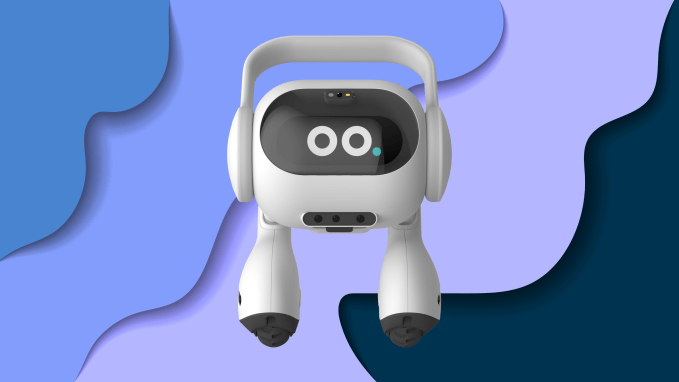
LG's Home AI Agent

Image credits: LG

One thing is consistent throughout every CES: weird and unexpected gadgets and gizmos appear from unexpected places. We have a rundown of some of the most noteworthy products and services here, which include expensive binoculars with birdwatching AI, voice-absorbing muzzles, pay-as-you-go bathroom access and a router that tries to fit your aesthetic.

$2,000 earbuds, silent speech and AI-powered wearable jewelry

Breggz $2,000 premium earbuds

Image credits: Haje Kamps / TechCrunch

Beyond the outright strange products and platforms, there are some hidden gems amid the big booths and name brands at CES. Our own Haje Jan Kamps has highlighted several already that stand out from the crowd. He gave Breggz’s $2,000 earbuds a listen and discovered they actually deliver on their price point for audio perfectionists. He took a look at Augmental’s impressive ambitions to create accessible interfaces that can accommodate for voiceless communication. And he explored Nowatch’s purposeful fitness tracker that uses AI to keep you aware of your health goals without overly stressing you out.

Tuesday, January 9

Hyundai shows off its eVTOL, air taxi ambitions

supernal evtol hyundai

Image Credits: Kirsten Korosec

Supernal’s electric vertical takeoff and landing (eVTOL) aircraft got a showcase from its parent company Hyundai Motor Group on the ground in Las Vegas, as the so-named S-A2 moves closer to its planned 2028 launch for shuttling passengers. Head here for a full rundown on the aircraft, and the challenges in expanding airborne mobility.

This delivery bot handles stairs with ease
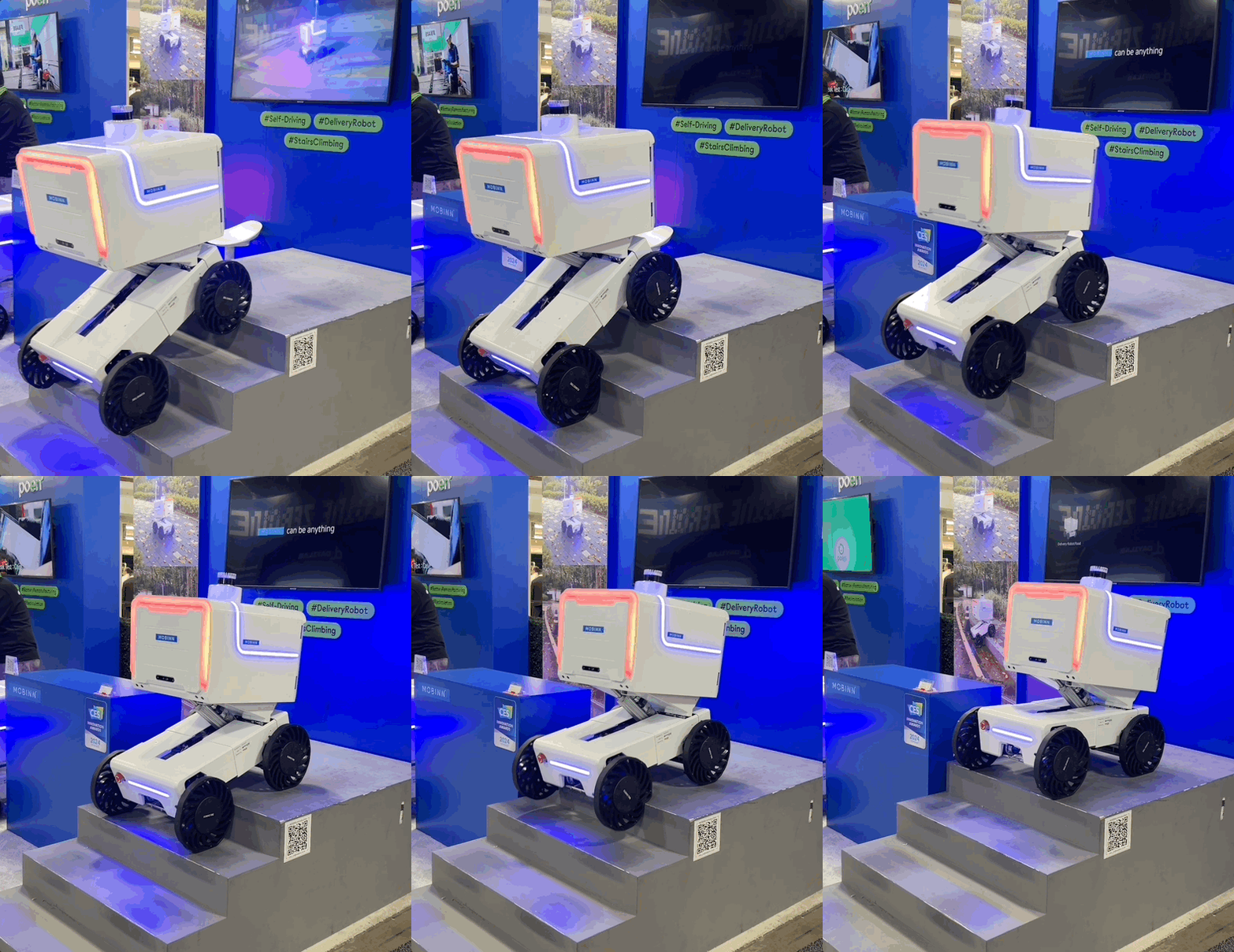
Mobinn delivery robot ascends stairs at CES 2024

Image Credits: Devin Coldewey / TechCrunch

Mobinn, a new spinoff from Hyundai, is taking to CES to show off how its new delivery robot can use its flexible wheels to navigate stairs and changes in elevation to drop off deliveries, with tests already being conducted in Korea. Climb aboard the full story here.

Walmart debuts AI-powered tools, features and a drone

Image Credits: Walmart

Walmart president and CEO Doug McMillon shared some new technologies the retail giant has been working on, including augmented reality (AR), drones, generative artificial intelligence, and other AI tech meant to improve the shopping experience for customers. Within the presentation were some new tools for managing product search and replenishment and a new beta AR social commerce platform called “Shop with Friends.” Get the scoop on all of the new products.

OneCourt lets those who are blind ‘see’ the game
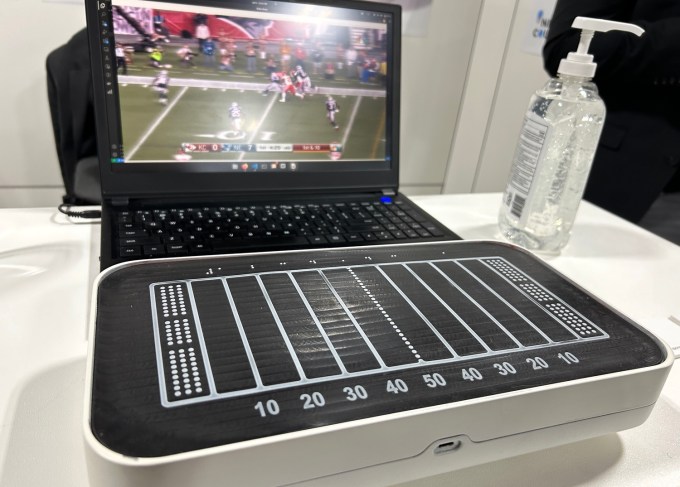
Image Credits: Devin Coldewey / TechCrunch

Put this in one in the “thoughtful” category. OneCourt, a startup founded by recent University of Washington graduates, debuted a lap-top miniature field that enables someone who is blind or with low vision feel the position of sports players and the ball in near real time. The OneCourt team takes this information and transmits it to a haptic display with a touchable cover imitating the pitch or field lines. See how it works.

rabbit jumps at the chance to explain how its r1 is different from other virtual assistants
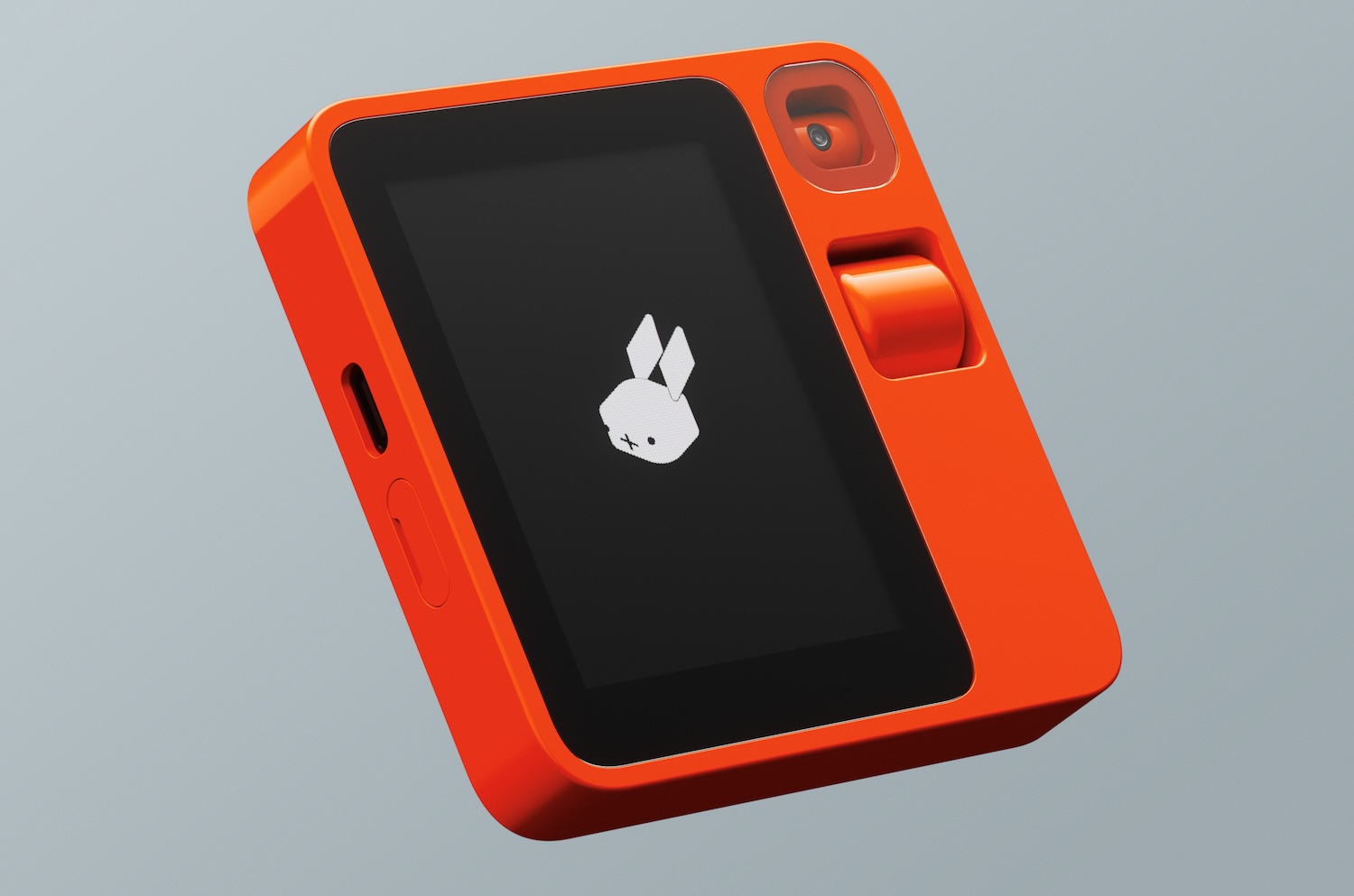
Image Credits: rabbit

Devin writes that the idea behind the $200 rabbit r1 is simple: “it lets you keep your phone in your pocket when you need to do some simple task like ordering a car to your location, looking up a few places to eat where you’re meeting friends, or finding some lodging options for a weekend on the coast. Instead of pulling out your phone, unlocking it, finding the app, opening it, and working your way through the UI (so laborious!), you pull out the r1 instead and give it a command in natural language.” Now hop over to the story for more.

Move over, Siri. The rabbit r1 is a pocket AI assistant that can navigate your apps for you, without you having to pick up your phone.

Check out our preview from #CES2024: https://t.co/R6naLv9ckH pic.twitter.com/aUbz0WW1xI

— TechCrunch (@TechCrunch) January 9, 2024

All electric vehicles, all the time — Honda, VinFast, Google Maps

Image Credits: Honda

First, we have your look at Honda’s upcoming 0 series electric vehicles that is a thin and light take on what Harri writes has typically been a thick and heavy EV trend. The automaker teased two concept vehicles, the Saloon and Space-Hub, and said the first commercial model in its 0 series EV lineup will launch in North America in 2026. Get a look at the specs and more.

Next, Vietnamese EV startup VinFast is getting into the electric pickup truck game with the reveal of a new concept called the VF Wild. The truck will have midsize pickup dimensions, and a folding mid-gate to allow the five-foot bed to turn into something functionally closer to an eight-foot bed (when the rear seats are down). Not much else is known at the moment. The company also officially announced plans to start selling its smallest EV, the VF3, outside of Vietnam. Learn more.

Meanwhile, Google has a new feature for EV drivers to track and display real-time battery information in Google Maps. The feature is available in EVs with Android Auto, a secondary interface that runs on the user’s phone and wirelessly communicates and projects features like navigation, media and messaging from their Android-based smartphone to the vehicle display. From here, Android Auto shares real-time battery information with Google Maps. Find what your looking for here.

Say hello to the Honda 0 series EVs 🚗 The Saloon and Space-Hub concept models made their debut at #CES2024, along with a new H logo. What do you think of their futuristic designs? pic.twitter.com/sBaQC1UAcj

— TechCrunch (@TechCrunch) January 9, 2024

For Google and Samsung, sharing is caring

Image Credits: Google

Google and Samsung announced they are combining their sharing solutions into a singular cross-Android solution under the Quick Share name. The new offering grows the network of devices that users can share content with across the Android ecosystem, including Chromebooks. By integrating Google’s Nearby Share and Samsung’s Quick Share, the two experiences create “the best default, built-in-option for peer-to-peer content sharing” across all types of devices in the Android and Chromebook ecosystems, according to the companies. Google also announced that it is working with PC manufacturers like LG to expand Quick Share to Windows PCs as a pre-installed app. Quick Share will start rolling out to current Nearby Share–enabled devices next month.

These gadgets help with health monitoring from home — Serenity, Vivoo, Tack One
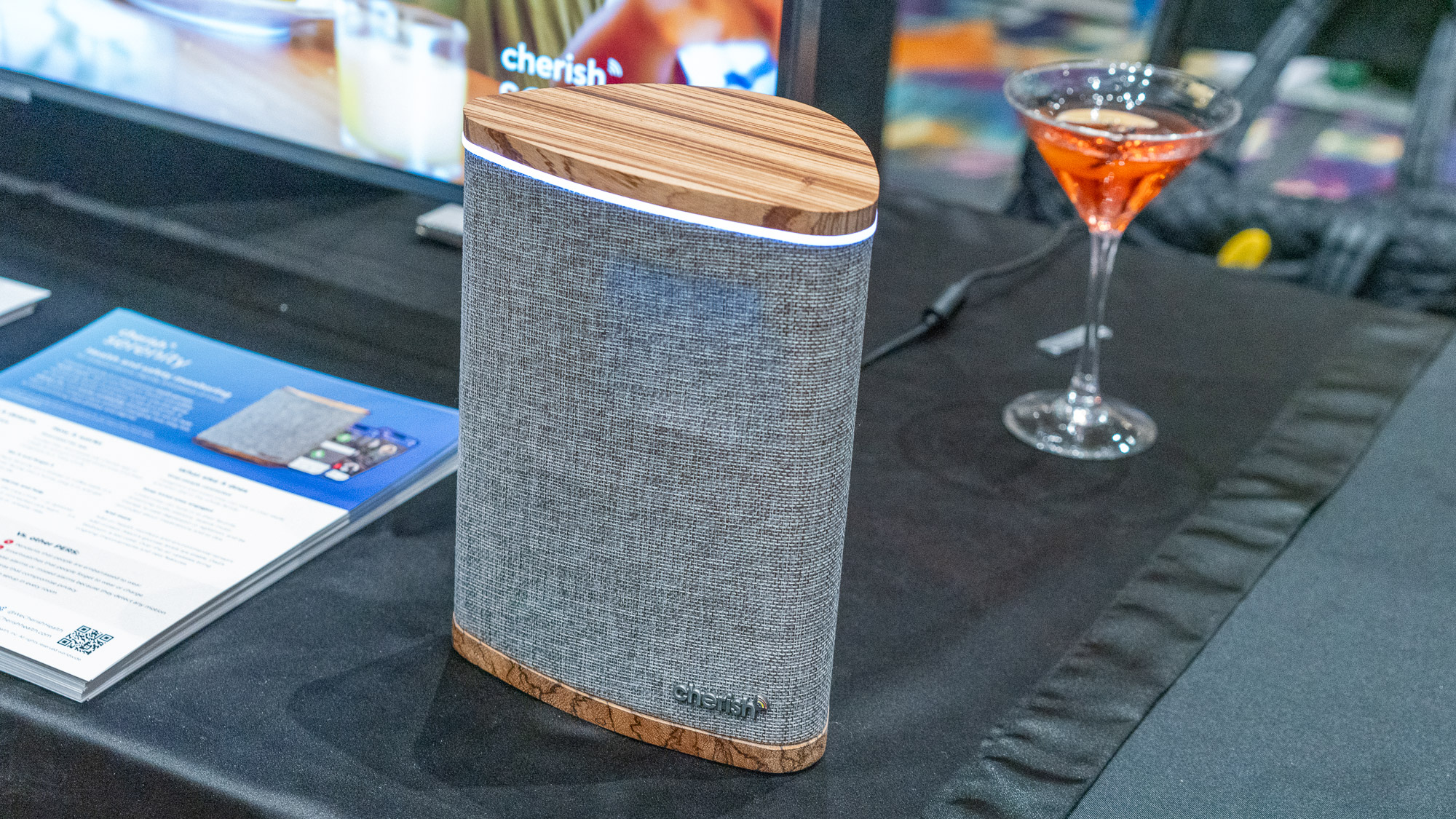
Cherish Health’s Serenity. Image Credits: Haje Kamps (opens in a new window)/ TechCrunch

First, Serenity is showing off its fall-detection system for the first time at CES. It’s easy to use — just plug it in, no app or configurations required. It utilizes advanced radar technology and AI to track up to two individuals within a 40-foot range, even through walls, and offers detailed information about someone’s activities. See how Serenity’s technology sets it apart.

Next, Vivoo, a company offering a broad range of at-home tests, launched a new test that can detect urinary tract infections (UTIs). Vivoo’s At-Home UTI Test streamlines the diagnostic process for UTIs and utilizes your phone’s camera to record and analyze the color readout of the test strips. It then gives advice and context for the readings in its free app.

Meanwhile, Tack One, a Singapore-based startup, unveiled the new generation of its Tack GPS Plus, an AI-powered location technology device to help make sure your kids, elderly parents and pets are safe. Here’s what’s new: longer battery life and subscription fees starting from $2.95 monthly for a two-year subscription plan.

The startup launched its GPS tracker in 2021 to address the pain point of the short battery life on the market and lower the tracking service cost, making location tracking extremely affordable. Tack One’s battery lasts 30 days on a single charge and a patent-pending indoor elevation finder feature. Find out more on the specs and pricing.

Get a look at Skyted’s voice-capturing mask

Skyted’s voice capturing mask. Image Credits: Haje Kamps

You read about Skyted’s voice-capturing mask last week, now see what it looks like in real life.

“We launched a mobile application that will give you information about how big your ‘sound bubble’ is. If, for example, you’re sitting in an airplane, you don’t want the person next to you to hear what you’re saying,” says Gauthier Daridon, connectivity engineer at Skyted, in an interview with TechCrunch at CES in Las Vegas. “So our application will explain that you are ‘perceptible’ and ‘intelligible’ at certain distances.” Get more of the scoop on how it works.

Amazon’s AI-related enhancements

Image Credits: Character.AI

Amazon says it will be the first company to support Matter Casting, the video- and audio-beaming feature of the Matter smart home standard, on its smart displays and smart TVs. When it comes to Amazon’s Prime Video app for Android and iOS, users will be able to cast content to supported Amazon devices — starting with the Echo Show 15 — by tapping the new dedicated Matter Casting button. Beyond that, Amazon says that Matter Casting support will arrive on Fire TVs including smart TVs from Panasonic with Fire TV built in, and — on the app side — Plex, Pluto TV, Sling TV, Starz and ZDF later this year. Read more.

And, Amazon announced back in September that it would be coming out with some new tools to build large language model-powered experiences. Today, we got to see them in action, including new generative AI-powered Alexa experiences, including AI chatbot platform Character.AI, AI music company Splash and Voice AI game developer Volley. All three experiences are available in the Amazon Alexa Skill Store. Learn more about Alexa’s experiences.

ElliQ’s eldercare robot gets a reboot

ElliQ 3.0

Image Credits: Intuition Robotics

Intuition Robotics’ ElliQ, which went on the market last March, and found some success through partnerships with assistive care facilities. After some fresh funding, the company unveils ElliQ 3, featuring some design tweaks like a more powerful hardware, increased memory, updated core processor, a lighter apparatus and – of course – generative AI integration. Read more.

Kodiak Robotics’ take on autonomous trucking

Kodiak Driverless Truck

Image Credits: Kodiak

Autonomous trucking startup Kodiak Robotics revealed a semi-truck that founder Don Burnette says “is the linchpin in its plans to launch commercial driverless operations this year.” The company specifically set out to include redundancy in its safety features so that there is a backup in case anything were to fail while on the highway with a driver behind the wheel. Get a breakdown of the mechanical components and safety systems.

Fox, Polygon Labs collaborate to defeat deepfakes

Fox has partnered with Polygon Labs, a developer of scaling networks for Ethereum, to release an open source protocol — called Verify — for media companies to register their articles, photographs and more. Fox and Polygon are pitching the protocol as a means for outlets to protect their IP while letting consumers verify the authenticity of content. Learn more about the protocol.

Ultrahuman unveils ‘home health’ tracker
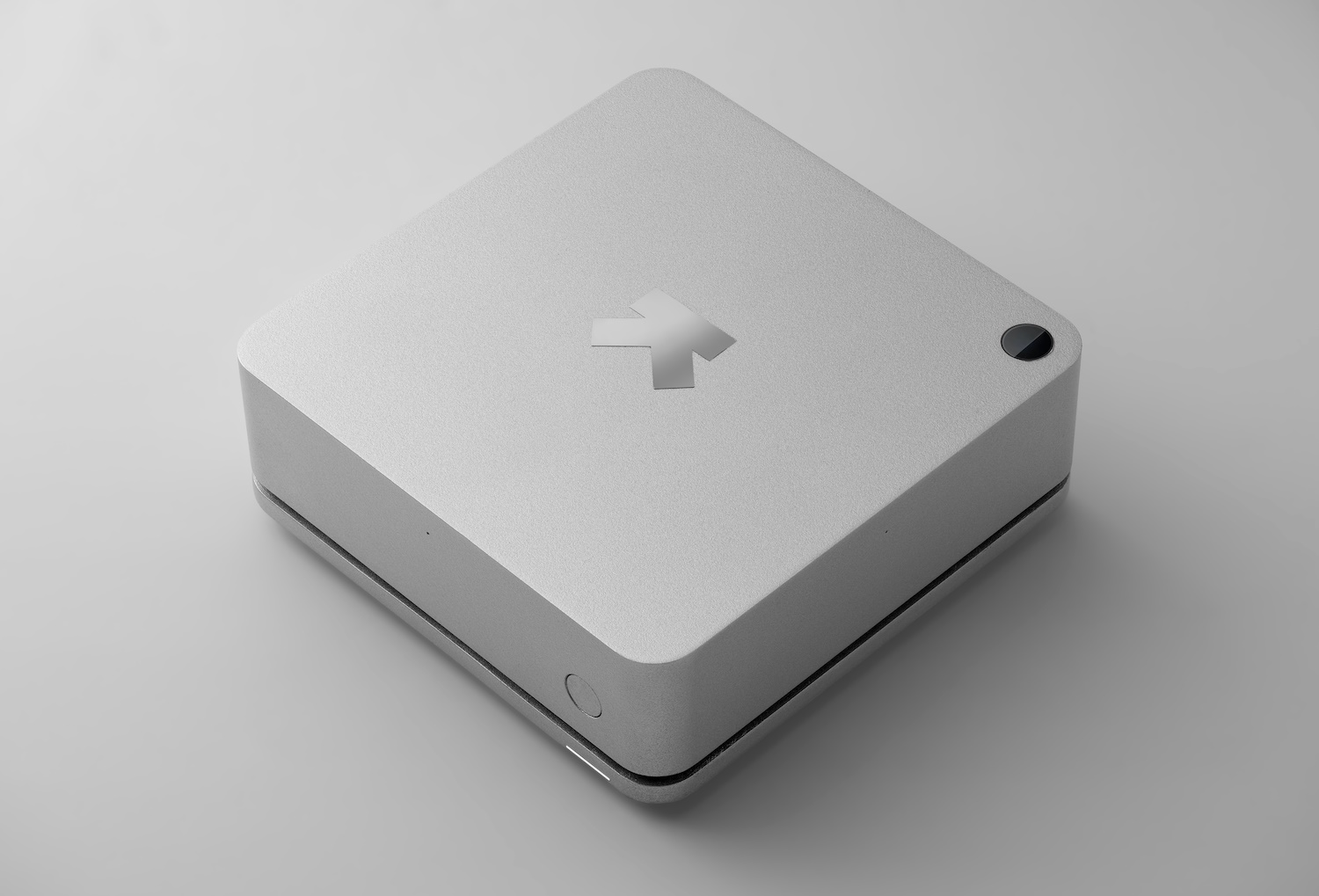
Image Credits: Ultrahuman

Indian wearable startup Ultrahuman is getting into the smart home game with the upcoming launch of connected hardware that’s designed to monitor the “health” of your home, as its marketing puts it. The device, which it’s calling the Ultrahuman Home, has a price of $349 and a shipping date slated to start in July. Check out the specs.

Monday, January 8

Pivotal begins personal aircraft sales

From storage to flight in 30 minutes. A 16-foot road trailer can hold everything needed to take the Helix to uncongested, Class G airspace areas. Image Credits: Pivotal

Pivotal, which is backed by Larry Page, has begun U.S. sales of its lightweight electric Helix aircraft, which notably does not require a pilot’s license to be able to fly. That doesn’t mean those paying at least the $190,000 base price will go without mandatory training; a number of rules and regulations still apply. You can get the full breakdown of their launch pricing and specs right here.

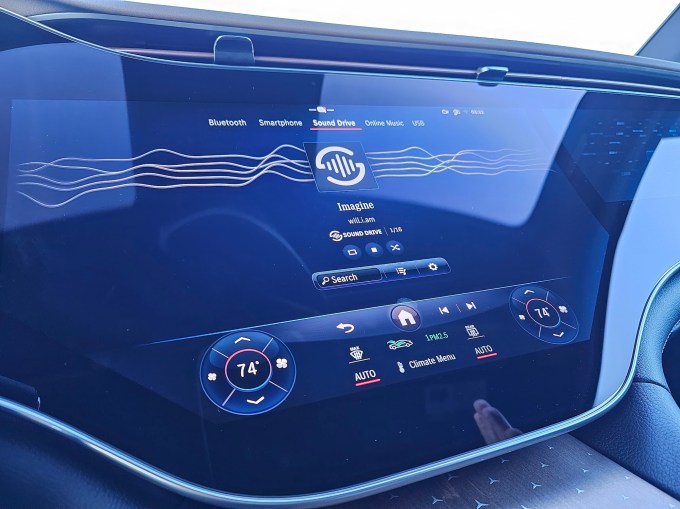
Will.i.am’s new startup mixes music as you drive

mercedes will.i.am sound drive ces

Mercedes-AMG and will.i.am launch immersive MBUX SOUND DRIVE experience at CES 2024. Image Credits: Mercedes-Benz

If you thought that sounded a little ridiculous, contributor Tim Stevens did too — at least until taking part in the startup Sound Drive’s demo at CES that left him feeling surprisingly impressed with the underlying tech. Read his full impressions of what it’s like to experience music “conducted by the road.”

Sony highlights mobility partnerships, creators and content authenticity

Sony took the final major press conference slot on Monday, with an expected focus around creators; the success of its IP across its gaming, film and streaming studios; and a focus on its partnership with Honda to imagine the mobility space as a “creativity space.” The latter was demonstrated in part by teasing Fortnite in its Afeela car and driving it onstage with a PlayStation 5 controller. Its “digital birth certificate” also reminded us of the brighter side of NFTs, which Haje explains in detail here.

Kia’s new modular EV van lineup

Kia commercial van EV PBV lineup

Kia PBV Concept Lineup. Image Credits: Kia

Kia’s new EV vans come with a modular twist. In addition to using a modular powertrain, the vehicles will also have modular tops that allow for many different cabin options. But they remained vague on pricing, specs and expected launch dates for this new fleet of commercial EVs. Read more.

Samsung brings back Ballie; renews green initiative

Samsung Ballie

Image Credits: Samsung

Meet the new and improved Ballie, Samsung Electronic’s home robot, which it previewed today. It’s around the size of a bowling ball with a battery designed to last two to three hours. Ballie sports a spatial lidar sensor to help it navigate rooms and obstacles, as well as a 1080p projector with two lenses that allows the robot to project movies and video calls and even act as a second PC monitor. Learn more.

Expanding beyond cute, rolling robots, Samsung showcased its wider initiatives for connected homes. Aside from expected UI and feature updates for its existing SmartThings home automation platform, Samsung showed off a “map view” for users that creates an interactive home map that even includes animated avatars of residents and pets. Learn more.

Also, Samsung devoted some of its keynote speech to its commitment of sustainability. “We start by incorporating recycled materials into some of our most loved products, such as recycled fishing nets in our Galaxy,” said Inhee Chung, VP of corporate sustainability at Samsung. “Smartphones, recycled plastic in our TVs, and recycled aluminum in our bespoke refrigerators. Recycled plastic accounted for 14% of the total plastic used in our products in 2022. And we’re working towards increasing this amount.” Read more.

Remember Samsung's Ballie? The round robot first revealed in 2020 has made a comeback at #CES2024. https://t.co/CCO8T1g0lH pic.twitter.com/OkrXr8jgiE

— TechCrunch (@TechCrunch) January 8, 2024

X1 Interpreter Hub: A new real-time translator

Image Credits: Timekettle

Timekettle announced the X1 Interpreter Hub, a more robust solution, designed for meetings. Timekettle calls it “the world’s first multi-language simultaneous interpretation system.” The system works out of the box, without having to download a separate app. For in-person meetings, two devices are touched together to initiate conversation translation. The handheld devices house earbuds, similar to past Timekettle products. All told, the X1 is capable of supporting up to 20 people at once in five different languages. Read more.

LG’s transparent television

LG transparent television, CES 2024

LG Signature OLED T. Image Credits: LG

Televisions aren’t naturally pretty or used as a design feature, but LG Electronics is out to change that perception. Today, consumer technology giant unveiled what it touts is “the world’s first” wireless transparent OLED TV. The LG Signature OLED T combines a transparent 4K OLED screen with LG’s wireless video and audio transmission technology.

Breathe easy with bio-engineered houseplants

Neoplants at CES 2024.

Neoplants at CES 2024. Image Credits: Haje Kamps / TechCrunch

French startup Neoplants is showing off its progress with its houseplants that work as air purifiers designed for the home. The bio-engineered plants can, according to the company, replace 20 “regular” houseplants, as measured by how many pollutants the plants can remove from the air.

More from Samsung: bigger, foldier, more rollable displays

Image Credits: Samsung

Ahead of Samsung Electronics’ press conference later today, we look at some of its product plans that include a “new generation of products that can be folded inward and outward,” along with “monitor-sized” folding and sliding OLEDs. Samsung also unveiled a “Transparent MICRO LED” display for the first time.

Nvidia gets its game on

NVIDIA Jetson Platform Expansion

GeForce RTX 4080 SUPER. Image Credits: Nvidia

Today, Nvidia gets into artificial intelligence in a big way with the unveiling of its GeForce RTX, including the GeForce RTX 40 Super series of desktop graphics cards. Much of these are meant for gaming, and Nvidia said 14 titles will get the RTX upgrade treatment, including Horizon Forbidden West, Pax Dei, and Diablo IV. The RTX 4080 Super starts at $999.

Nvidia also announced that its partnership with Getty Images will include a new service for iStock customers, which can create licensable images trained on the existing iStock photo library.

Nvidia also showed off ACE, which uses AI to create unique reactions from in-game NPCs, which gives an uncanny valley sheen on top of prompt response dialog.

At #CES2024, NVIDIA demonstrated their Avatar Cloud Engine (ACE) for gaming, which aims to give NPCs AI-generated dialogue. pic.twitter.com/QKRervzvjY

— TechCrunch (@TechCrunch) January 8, 2024

More chip updates from AMD

Speaking of chips, AMD debuted its new Ryzen 8000G processors for the desktop, with a big focus on their AI capabilities.

Bosch’s in-car eye-tracking

Bosch driver monitoring system for drowsy driving

Image Credits: Bosch

Bosch is showing off two technologies this week in eye-tracking while driving: One will see that you have tired eyes and ask if you need an espresso when you arrive home. If yes, its connect technology will tell your fancy machine to have one ready. The other is a bit more complicated in that it’s developed to track what you’re looking at as you drive.

Smart cooking
smart cooking device control panel

Image Credits: Haje Kamps (opens in a new window) / TechCrunch (opens in a new window)

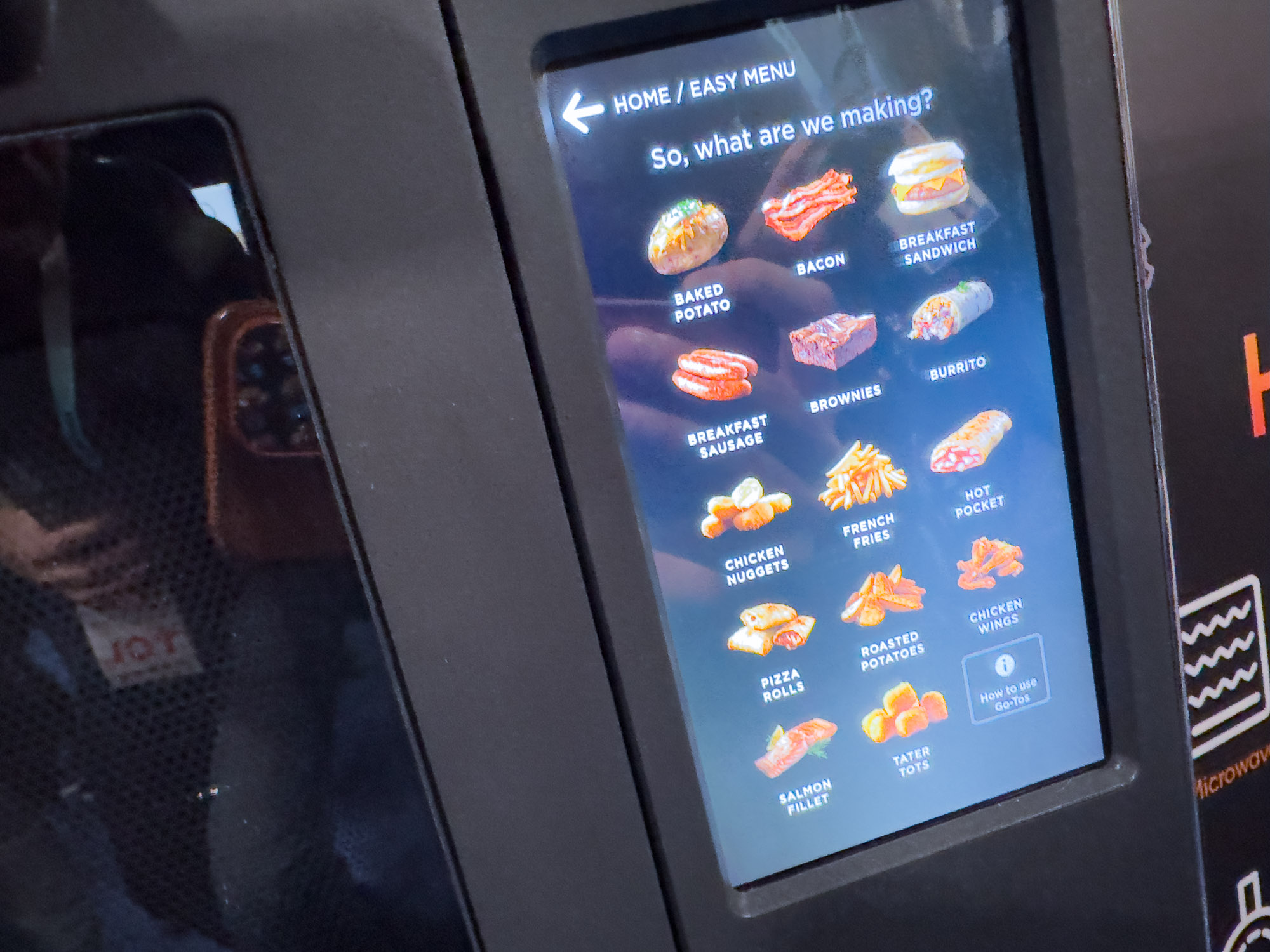
We have a collection of small home appliances for the kitchen, from grills to smart microwaves and everything in between, that is sure to get you cooking this year, if you aren’t already.

ChatGPT in Volkswagen
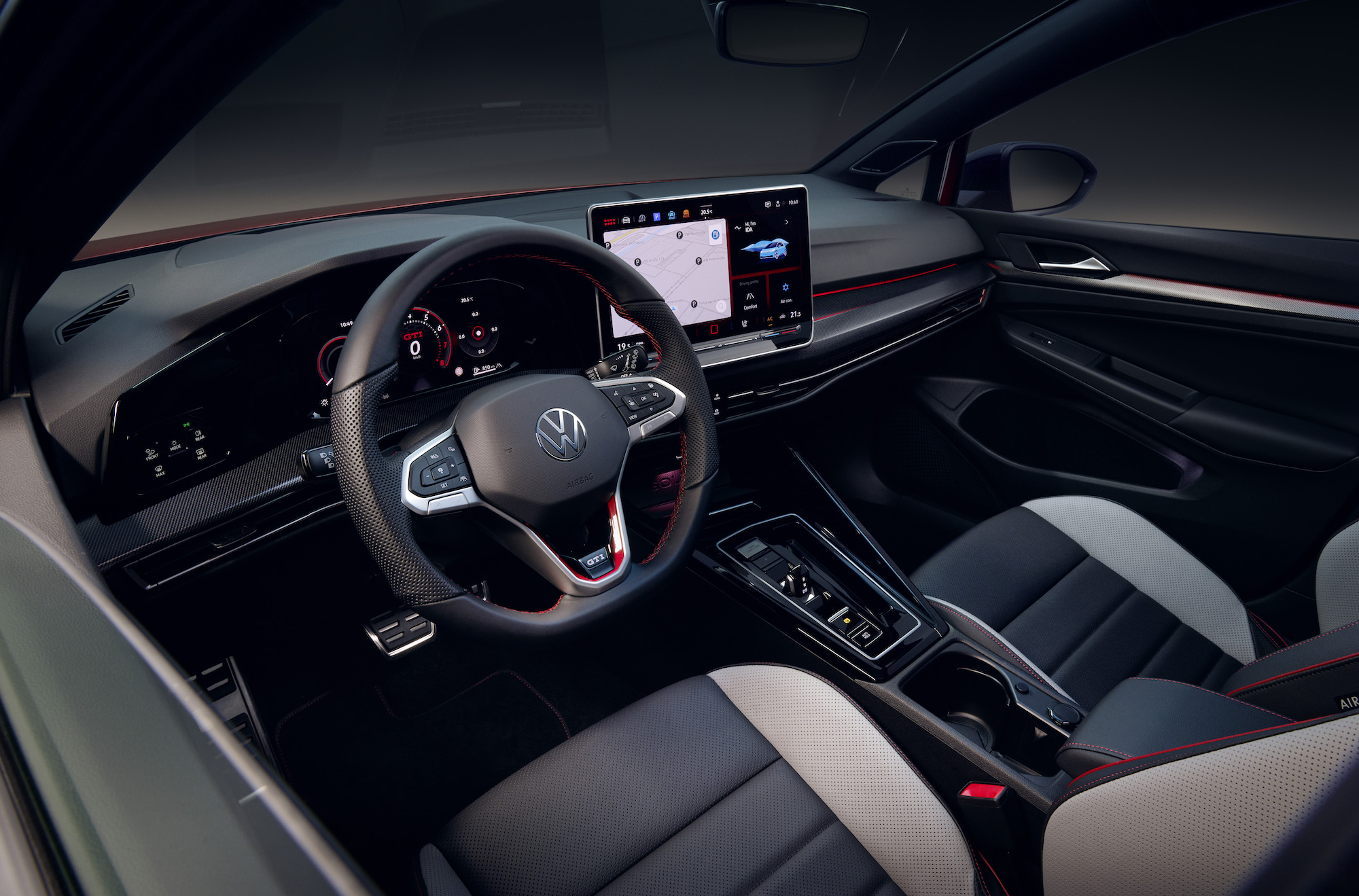
An image showing the interior of a new Volkswagen Gold including the steering wheel and touchscreen.

Image Credits: Volkswagen

The German automaker plans to add an AI-powered chatbot into all Volkswagen models equipped with its IDA voice assistant. For now, it’s not available in the U.S.

Apple Vision Pro to go on sale February 2

Image Credits: Apple

And Apple, in a surprise announcement preempting CES, stole some of the show’s thunder by announcing the Vision Pro will be available in the U.S. The consumer electronics giant confirmed that the Vision Pro will be available in the U.S. starting February 2. Pre-orders for the $3,500 spatial computing device open Friday, January 19.

Some companies made announcements ahead of the big event. Check out what’s already made headlines:

Withings’ new multiscope device checks vitals for telehealth visits

Invoxia has a new smart collar suitable for both cats and dogs

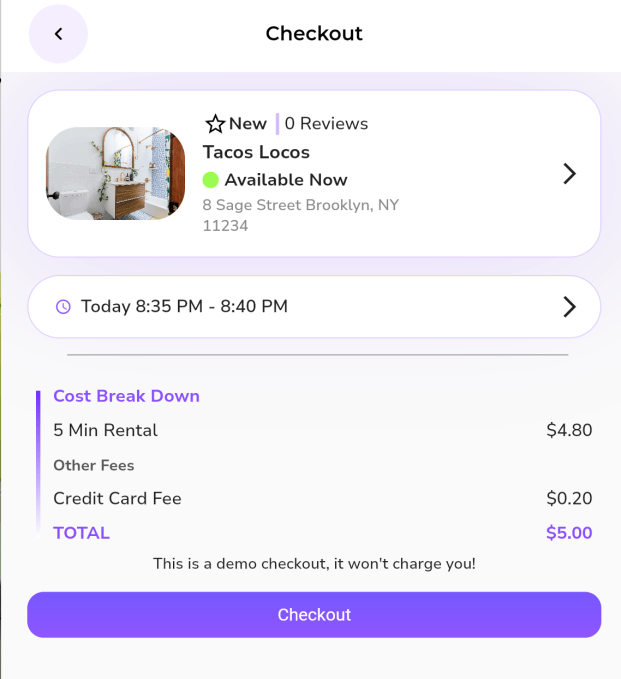
This app lets restaurants and coffee shops charge to use the bathroom

Aurora and Continental pass first major hurdle in commercial self-driving trucks deal

This startup is bringing a ‘voice frequency absorber’ to CES 2024

For just $139, this startup turns your iPhone into a BlackBerry-era relic

Qualcomm next-gen XR chip promises up to 4.3K resolution per eye

Urbanista integrates Powerfoyle tech with solar-powered headphones

Moonwalker robotic shoes get lighter and smarter

Read more about CES 2024 on TechCrunch

OpenAI’s GPT Store is Now Open for Chatbot Builders

OpenAI has been teasing its storefront for custom versions of ChatGPT for two months, and the doors are now open to the GPT Store. The store, which is accessible to ChatGPT subscribers, provides a gallery of GPTs that are purpose-tweaked generative AI chatbots for image generation, writing, education, programming and more. Chatbot builders will be able to promote their creations, while professionals and consumers may find chatbots more specialized and practical for their needs than ChatGPT.

How do I access the GPT Store?

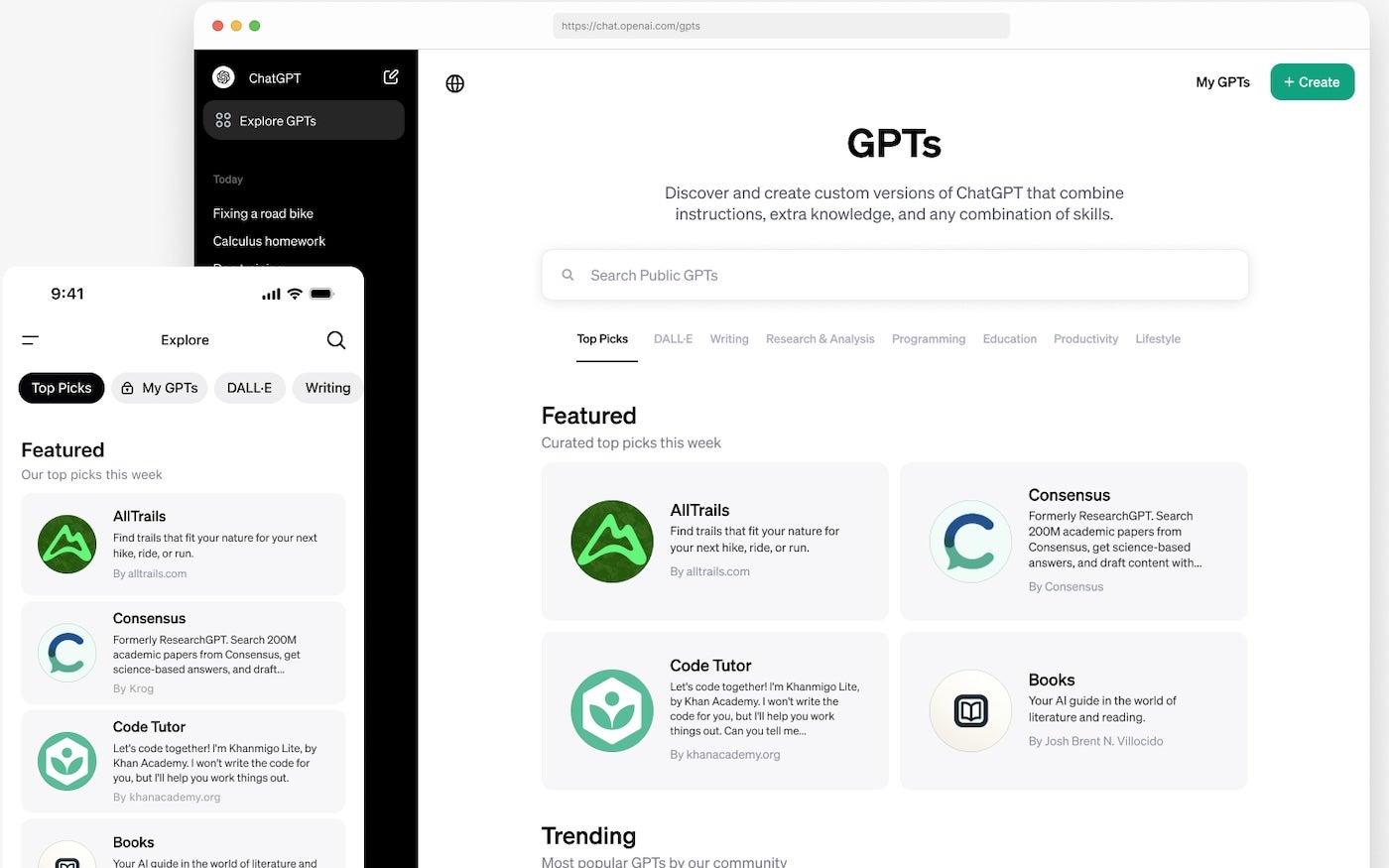
The GPT Store (Figure A) is available at chat.openai.com/gpts for people with subscriptions to ChatGPT Plus, ChatGPT Enterprise and ChatGPT Team, a variant of ChatGPT Enterprise for smaller use cases.

Figure A

An image of the GPT Store
A screenshot of the GPT Store. Image: OpenAI

Some organizations have already partnered with OpenAI to provide services via the GPT Store. For instance, Canva’s GPT lets professionals design social media posts or presentations using natural language prompts.

OpenAI plans to set up a revenue system in which chatbot builders in the U.S. can be paid for their GPTs. This is expected to be available later in Q1 2024.

Creators who have made GPTs can offer their chatbots in the store by marking them as for Everyone (as opposed to the Anyone with a link option) and filling out the Builder Profile in Settings.

What is ChatGPT Team?

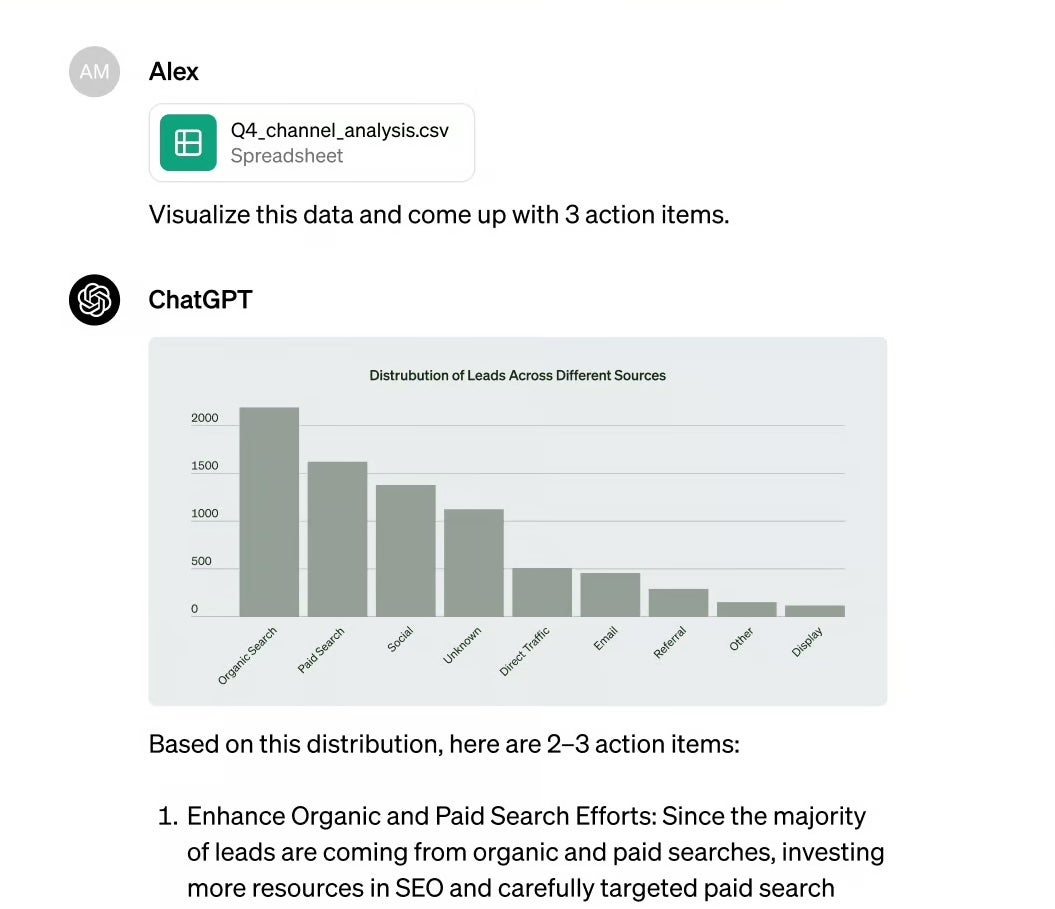
On Jan. 10, OpenAI also announced ChatGPT Team (Figure B), which offers teams a collaborative environment to share GPTs and prompts.

Figure B

A screenshot of ChatGPT Team.
A screenshot of ChatGPT Team. Image: OpenAI

ChatGPT Team is not quite as hefty as ChatGPT Enterprise; ChatGPT Team provides access to GPT-4 with a 32K token context window, while ChatGPT Enterprise offers a 128K token context window.

OpenAI notes that since ChatGPT Team is made for business, data within it will not be shared with OpenAI or used to train other generative AI.

ChatGPT Team is a $25 month per user per year or $30 per month business solution.

GPT Store: OpenAI’s most compelling reason to become a ChatGPT Plus subscriber yet

ChatGPT Store AllTrails

Many people think we already have artificial general intelligence (AGI), AI programs that can do anything a person can. They're wrong. But, starting a few months ago, OpenAI enabled developers to create customized versions of ChatGPT that could be experts on specific topics. Those do work. Now OpenAI is enabling you to buy these custom GPTs. In addition, OpenAI has just rolled out ChatGPT Team, which gives you a dedicated collaborative team workspace.

Also: Alexa just got three new generative AI skills — here's how to try them

The GPT Store uses the ChatGPT chatbot and is available to ChatGPT Plus, Team, and Enterprise users. In the GPT Store, you'll find numerous special-purpose GPTs. Some examples include AllTrails' personalized trail recommendations; Khan Academy's Code Tutor to help you expand your coding skills; and Canva to help you design presentations or social posts.

Besides general-purpose GPTs, there are also technical, focused GPTs such as Tetrate's Istio Advisor Plus. I've worked with this one myself. It provides detailed information and can help you set up applications with the Istio cloud-native open-source service mesh.

Clearly, if the designers work with a GPT, they can create a useful, accurate tool that's more useful within its scope than ordinary ChatGPT. They may not all be so good though. Based on my experience with Tetrate's GPT, I could tell it had been meticulously honed to make it reliable.

With the Store, you can also build your own GPTs. While OpenAI says it's simple to do and doesn't require any coding skills, to build a serious, useful GPT, you'll need to be a subject-matter expert and know your way around what Large Language Models (LLM)s and GPTs can, and can't do.

OpenAI claims that three million GPTs have already been built. To keep you from getting lost in their sheer numbers, OpenAI will provide a community leaderboard. There you can browse popular and trending GPTs with categories such as DALL-E, writing, research, programming, education, and lifestyle.

Also: Have 10 hours? IBM will train you in AI fundamentals — for free

For now, all the GPTs are free to ChatGPT Plus subscribers. Eventually, you can expect them to have service subscription fees. OpenAI will follow that up with a GPT builder revenue program. As a first step, US builders will be paid based on user engagement with their GPTs. The company will provide details on the payment criteria later.

Besides this new Store, OpenAI is introducing ChatGPT Team. With this, you can access the company's advanced models like GPT-4 with a 32K context window and DALL-E 3, and tools like Advanced Data Analysis, formerly known as Code Interpreter.

Also: I asked DALL-E 3 to create a portrait of every US state, and the results were gloriously strange

Team also comes with a dedicated collaborative workspace for your workgroup and admin tools for team management. As with ChatGPT Enterprise, you own and control your business data. In other words, OpenAI won't train on your business data or conversations, and its models don't learn from your usage. This is essential for OpenAI to be trusted by businesses for production use.

With Team, you can also create and share custom GPTs with your workspace. You'll get an admin console for workspace and team management and early access to new features and improvements.

So is it worth trying,Team? According to Dr. John Brownstein, Chief Innovation Officer at Boston Children's Hospital, the answer is yes. Brownstein said:

With ChatGPT Team, we've been able to pilot innovative GPTs that enhance our team's productivity and collaboration. As we integrate GPTs safely and responsibly across internal operations, we know the transformative impact this will have in strengthening the systems that enable our doctors, researchers, students, and administrative staff to provide exceptional care to every patient that walks through our doors.

ChatGPT Team costs $25 per month per user when billed annually, or $30 per month per user when billed monthly. You can dive deeper into the details of how Team works or get started now by upgrading to it from your ChatGPT settings.

Featured

CES 2024: The weirdest tech, gadgets and AI claims from Las Vegas

CES 2024: The weirdest tech, gadgets and AI claims from Las Vegas Cody Corrall 10 hours

CES 2024 is in full swing in Las Vegas. We’re on the ground giving you the most talked about news and announcements from the event, but much of the fun is to be found in the weirder margins of the show floor. In an era of CES where companies are all-in on the AI hype machine, there are bound to be gadgets and claims that are a little odd, to say the least.

Here are the eight strangest gadgets, tech and claims from CES 2024 so far.

AI-powered birding binoculars

For the birder with an unlimited budget, Swarovski unveiled the ​​AX Visio 10×32: a $4,799 pair of AI-powered binoculars. The binoculars use AI to help you quickly identify more than 9,000 birds and other species, as well as provide the ability to take photos and videos of your discoveries to share.

For the birder not on a budget?

Swarovski unveiled a $4,799 pair of AI-powered binoculars that can quickly identify birds and other animals at #CES2024. pic.twitter.com/URh0oM79pR

— TechCrunch (@TechCrunch) January 9, 2024

An app that lets you pay to pee

Flush app screen showing how much it costs to access a bathroom

Image Credits: Flush

Need to go and willing to pay? Web-based app Flush allows businesses to rent out their bathrooms to people for additional revenue. The oddest thing about this app, outside of its existence thanks to the lack of maintained and public restrooms in the U.S., is its rating system that businesses use to approve or deny a reservation.

A BlackBerry-style keyboard for your iPhone

Clicks Technology's extended iPhone keyboard in BumbleBee and London Sky Large colors

Image Credits: Clicks Technology (opens in a new window)

Do you miss the days of having a tactile keyboard on your iPhone? Revealed at CES 2024, Clicks Technology’s creator keyboard turns your phone into a BlackBerry-era relic for $139. The keyboard acts as a phone case attachment and gives you access to more of your iPhone’s screen without the digital keyboard. It’s sure to make your phone a lot longer, but maybe that’s the price you pay for nostalgia.

Dynamic sound mixing based on your driving

The dashboard view of Sound Drive's dynamic sound mixing system

Image Credits: Tim Stevens

Sound Drive, a startup from singer-songwriter turned entrepreneur Will.i.am, aims to match the music you’re listening to with the cadence and energy of your commute. The technology reacts to your speed and matches music to it, with lyrics coming in and dropping out intelligently whether you’re ripping down the freeway or stuck in traffic. While we were a little skeptical, we came away from the tech fairly impressed.

A router that looks like a picture frame

GL.iNet's router that also functions as a picture frame on display at a desk

Image Credits: GL.iNet

Matching your tech to your home’s aesthetic has been trendy in the last few years. Is your TV too boring? Make it look like a gallery painting with the Samsung Frame or have it blend seamlessly into your home with LG’s newly revealed transparent television.

And the latest tech item to get the yaasification treatment is the humble router. The Marble Wi-Fi 6 OpenWrt Router from GL.iNet looks like a small framed piece of art that you can hang on your wall or prop on your desk.

An AI assistant that calls 911 for you

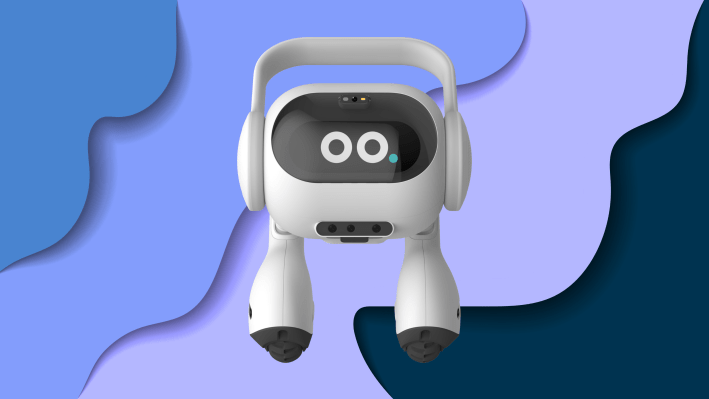
At LG’s press event, the company announced its Smart Home AI Agent. The “two-legged” wheeled robot acts as an assistant in sync with your LG appliances. Generative AI allows you to chat with the AI Agent, and the company claims it can show you empathy. In the company’s surreal, Pixar-esque promotional video, the bot can remind you to take your medicine or call 911 in a time of crisis.

Unveiled at #CES2024, LG claims its Smart Home AI Agent can give you medication reminders, chat with you, and even call 911 for you in a time of crisis. pic.twitter.com/A2SEj2v0SG

— TechCrunch (@TechCrunch) January 10, 2024

A bidet you can talk to

Kohler's PureWash E930 Bidet Seat that features voice commands

Image Credits: Kohler

Hey, Alexa? Turn on the bidet spray. Kohler introduced the PureWash E930 Bidet Seat with voice command support for Amazon Alexa and Google Assistant. With voice assistance, you can control the seat hands-free, turn on the bidet’s spray and dryer functions, as well as its self-cleaning UV feature. Just don’t let anyone watch you talking to your toilet.

A voice absorbing mask that looks like a muzzle

Skyted's voice capturing mask.

Image Credits: Haje Kamps (opens in a new window) / TechCrunch (opens in a new window)

Goodbye, nosy eavesdroppers. Skyted’s “Mobility Privacy Mask” and “Hybrid Silent Mask” are designed to “absorb voice frequencies” in noisy environments like planes, trains and rideshares, so you can communicate with a little more privacy, according to founder Stéphane Hersen. The company aims to implement their Bane-like masks in offices, call centers and even in gaming environments.

The best smart home tech at CES 2024

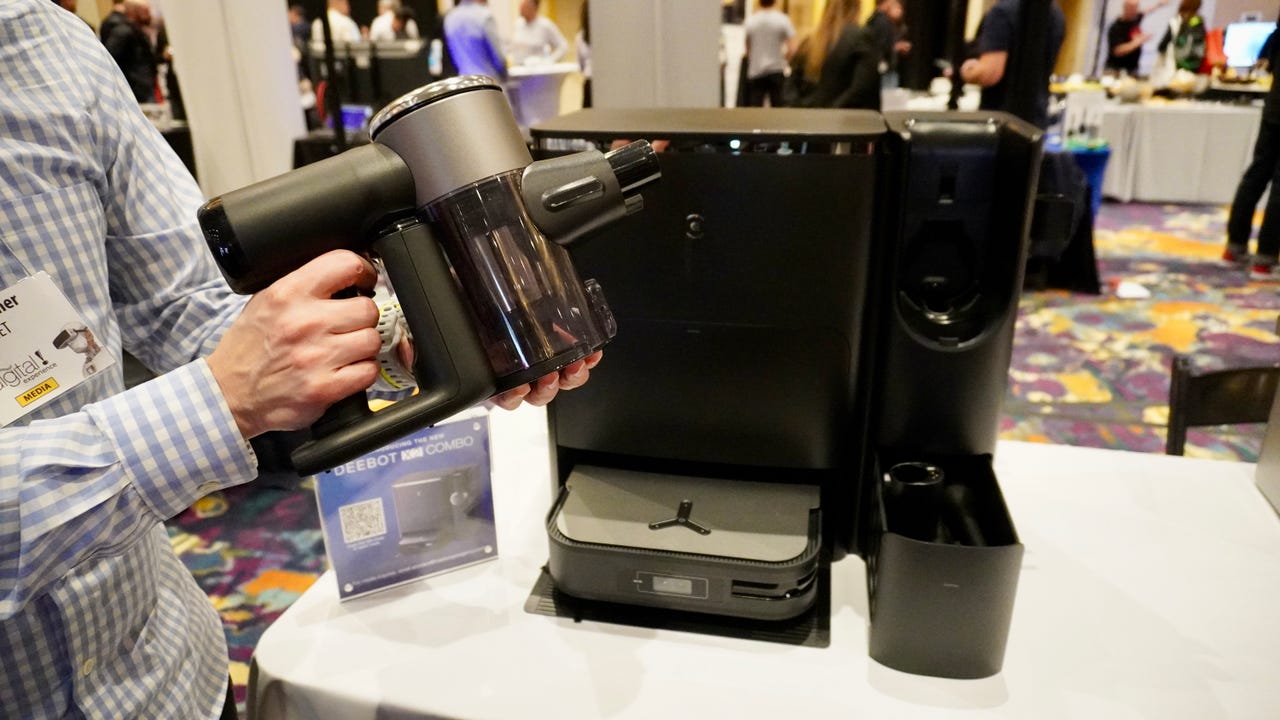
Deebot X2 Combo robot + stick vacuum

The new Deebot X2 Combo showcased at CES 2024 is a robot vacuum and mop combined with a handheld vacuum.

A new year means new resolutions and goals, as well as new tech at CES. The world's largest consumer technology trade show serves as a platform for tech companies of all sizes to showcase their finished products, prototypes, and ideas.

Also: CES 2024: What's Next in Tech

But though these futuristic flying cars and talking robots are intriguing, most smart home users' needs are much simpler: smart home sensors that work reliably, interoperability improvements, and even a robot vacuum that doesn't get hair tangles.

Cutting through all the CES noise isn't easy, but that's what ZDNET is here for.

CES 2024

Brave Search can now deliver results for programming queries

Brave Search can now deliver results for programming queries Aisha Malik 10 hours

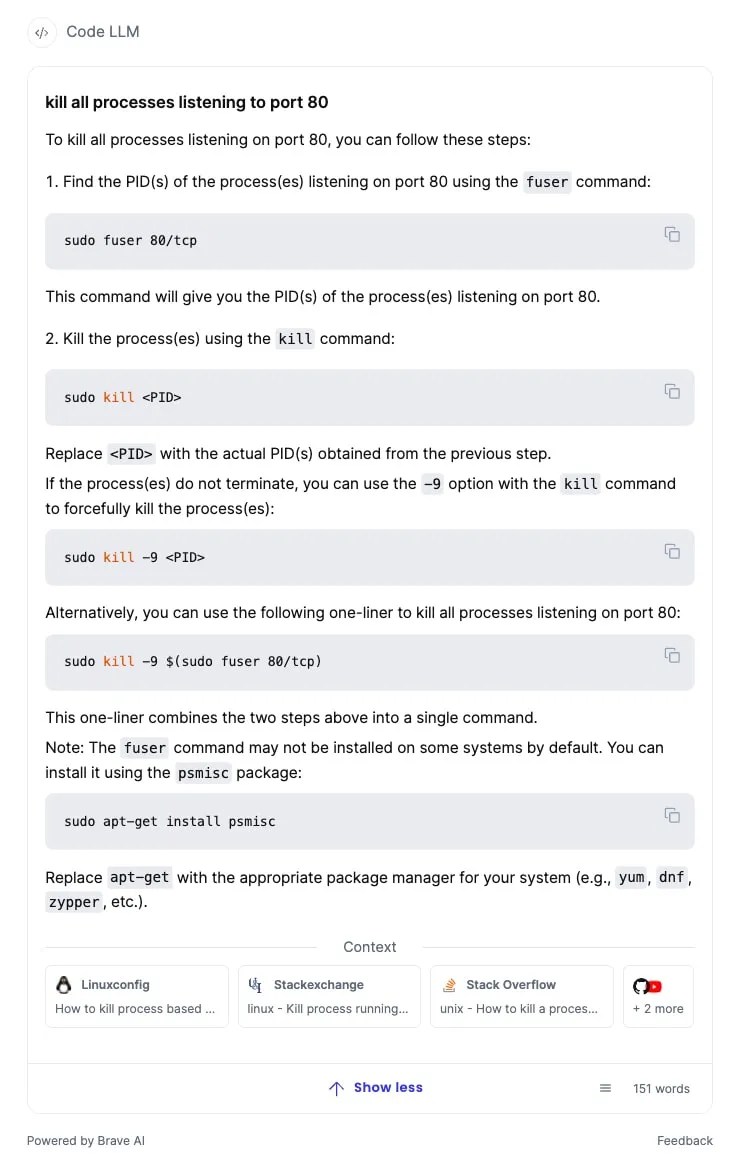
Brave announced today that it’s adding its newly built CodeLLM to its search engine to deliver results for programming queries. The new AI-powered CodeLLM provides code snippets with step-by-step explanations and citations. CodeLLM is free and now integrated into Brave Search so users don’t have to switch apps to access it.

CodeLLM is available to all Brave Search users on desktop and mobile. If Brave Search is your default search engine then all you need to do to access CodeLLM is start a search in your browser’s address bar. If Brave Search isn’t your default search engine, then you need to head to search.brave.com to conduct your search.

Image Credits: Brave

“CodeLLM automatically detects programming-related queries, so there’s no need to generate a special search,” Brave explained in the blog post. “On top of the search results, if an answer is possible there will be a widget to trigger the CodeLLM response. The detection of programming queries happens outside of the LLM, by other search components (similar to the ones able to detect queries about the weather, queries that lend themselves well to be summarized, queries about stock prices, etc).”

Brave says CodeLLM’s underlying technology is built on top of Mixtral, which is an LLM that can use text prompts to generate code.

Today’s announcement comes two months after Brave released its AI-powered assistant, Leo, to all desktop users. Leo, which is based on Llama 2 and Anthropic’s Claude LLMs, can handle context-aware requests such as summarizing webpages or videos, translating text and rewriting phrases. Brave also debuted a paid version of the assistant for $15 month to give users access to premium features like access to faster and better large language models (LLMs) and higher-rate limits.

Brave Search, which launched two years ago, has grown to serve an average of 25 million queries per day. The company says Brave Search is the default search engine for many of Brave’s more than 60 million users.

Brave’s Leo AI assistant is now available to desktop users