AI chip startup Groq forms new business unit, acquires Definitive Intelligence

AI chip startup Groq forms new business unit, acquires Definitive Intelligence Kyle Wiggers 9 hours

Groq, a startup developing chips to run GenAI models faster than conventional hardware, has an eye toward the enterprise — and public sector.

Today, Groq announced that it’s forming a new division — Groq Systems — focused on greatly expanding its customer and developer ecosystem. Within Groq Systems’ purview is serving organizations, including government agencies, that wish to add Groq’s chips to existing data centers or build new data centers using Groq processors.

In forming the new unit, Groq has acquired Definitive Intelligence, a Palo Alto-based firm offering a range of business-oriented AI solutions including chatbots, data analytics tools and documentation builders. Definitive Intelligence CEO Sunny Madra is now leading GroqCloud, Groq’s cloud platform that provides Groq hardware documentation, code samples and self-serve API access to the company’s cloud-hosted accelerators.

“At Groq, we’re committed to creating an AI economy that’s accessible and affordable for anyone with a brilliant idea,” Groq co-founder and CEO Jonathan Ross said in a press release. “We’re excited to welcome Sunny and his team from Definitive Intelligence to help us achieve this mission … The Definitive team has expertise in AI solutions and go-to-market strategies, as well as a proven dedication to sharing knowledge with the community.”

Madra co-founded Definitive Intelligence in 2022 with Gavin Sherry, ex-director of engineering at EMC. Prior to launching Definitive Intelligence, Madra and Sherry co-launched Autonomic, a cloud-based platform for connecting mobility systems, that Ford acquired in 2018.

Definitive Intelligence offers several business-oriented GenAI products including OpenAssistants, a collection of open source libraries for developing AI chatbots, and Advisor, a visualization generator that connects to both enterprise and public databases. One of Definitive’s premier tools is Pioneer, an “autonomous data science agent” designed to handle various data analytics tasks including predictive modeling.

Prior to the acquisition, Definitive Intelligence had raised $25.5 million in venture capital.

“The world is just now realizing how important high-speed inference is to generative AI,” Madra said in an emailed statement. “At Groq, we’re giving developers the speed, low latency, and efficiency they need to deliver on the generative AI promise. I’ve been a big fan of Groq since I first met Jonathan in 2016 and I am thrilled to join him and the Groq team in their quest to bring the fastest inference engine to the world.”

Groq, which emerged from stealth in 2016, is creating what it calls an LPU (short for “Language Processing Unit”) inference engine. The company claims that its LPU can run existing large language models similar in architecture to OpenAI’s ChatGPT and GPT-4 at 10x the speed.

Ross’ claim to fame is helping to invent the tensor processing unit (TPU), Google’s custom AI accelerator chip used to train and run models.

Definitive Intelligence is Groq’s second acquisition after Maxeler Technologies, a high-performance compute and AI infrastructure solutions firm, in 2022. It might not be its last. The market for custom AI chips is a highly competitive one, and — to the extent the Definitive purchase telegraphs Groq’s plans — Groq’s clearly intent on establishing a foothold before its rivals have a chance.

AI in Marketing: MWC Conference Insights

AI in Marketing - AI in Marketing: MWC Conference Insights

In the dynamic intersection of technology and creativity, AI in Marketing stands as a transformative force, reshaping the essence of how brands engage with their audiences. The “Unleashing creativity through the human-robot duality in marketing” panel at the 4YFN event, part of the recent Mobile World Congress (MWC) Conference, spotlighted this evolution. Featuring insights from leaders like Mariam Asmar, Aitor Abonjo, Melissa Kruse, and Tzvika Besor, the panel delved into the intricate dance between AI and human innovation in marketing, revealing a future where these entities don't just coexist but synergize to unlock new realms of possibility.

The central theses of the MWC's 4YFN panel was that AI in Marketing is more than a tool; it's a creative partner. This article explores AI's impact on marketing, highlighting how it enhances creativity, customer engagement, operational efficiency, and message precision.

The Evolution of Marketing Through AI

The Strategic Role of AI

The integration of AI in marketing strategies has been transformative, primarily through its ability to analyze and leverage big data with unprecedented accuracy. Aitor Abonjo, highlighted this shift, emphasizing how AI enables the identification of the most accurate user base for testing, thereby enhancing the relevance and impact of marketing campaigns. This strategic application of AI ensures that marketing efforts are not only more efficient but also more effective, targeting consumers with precision previously unattainable.

Enhancing Efficiency and Creativity

AI's role in streamlining operations and fostering creativity has been significant. Melissa Kruse shared insights on using AI tools for brainstorming and drafting, noting how they speed up the creative process while ensuring a high level of personalization. This efficiency not only reduces operational costs but also allows marketing teams to allocate more time to innovate and experiment with new ideas. The concept of using AI, like ChatGPT+, as Kruse suggests, transforms it from a tool into a team member, capable of contributing creatively to marketing strategies.

Personalization at Scale

Tzvika Besor discussed the transformative power of AI in achieving personalization at an unprecedented scale. By tailoring specific messaging for individual consumers, AI tools enable a level of personalization that was once beyond reach. Besor's insights underscore the importance of AI in crafting marketing messages that resonate personally with consumers, enhancing engagement and fostering deeper connections between brands and their audiences.

What Will Happen to Marketing in the Age of AI? | Jessica Apotheker | TEDWhat Will Happen to Marketing in the Age of AI? | Jessica Apotheker | TED
Watch this video on YouTube

Enhancing Creativity and Personalization with AI

Tailoring Messages with Precision

AI's ability to sift through data and unearth consumer insights has revolutionized the way marketing messages are crafted. Tzvika Besor highlighted the potential for AI tools to allow for hyper-personalized messaging, emphasizing that creative marketing is no longer a one-size-fits-all endeavor. By understanding individual preferences and behaviors, AI enables marketers to create content that speaks directly to the consumer, making each interaction more meaningful and impactful.

Streamlining the Creative Process

Melissa Kruse shared insights into how AI is being used as a powerful assistant in the brainstorming and drafting phases of content creation. AI's capacity to generate ideas and refine concepts has not only sped up these processes but also introduced a level of creativity that was previously unattainable. This synergy between human creativity and AI's computational power is pushing the boundaries of what's possible in marketing content, opening doors to innovative approaches and themes.

Reducing Costs, Maximizing Impact

The integration of AI in creative strategies has also had a significant effect on the economics of marketing campaigns. As Tzvika Besor pointed out, the costliness of creative endeavors, traditionally a major concern for marketing departments, is being mitigated by AI's efficiency and versatility. The ability of AI to tailor messaging for individual users without requiring extensive human labor allows for more ambitious campaigns with lower resource investment.

AI's Role in Strategic Decision-Making

Optimizing Marketing Strategies with Data

The strategic incorporation of AI into marketing decision-making processes marks a significant leap towards data-driven strategies. Aitor Abonjo shed light on how AI technologies like predictive analytics and machine learning are pivotal in understanding market trends and consumer behaviors. These tools not only offer a granular view of the current market landscape but also forecast future shifts, enabling marketers to adapt their strategies proactively rather than reactively. The ability to anticipate consumer needs and market dynamics positions brands to capitalize on opportunities with agility and precision.

Enhancing Consumer Engagement Through Insights

The depth and breadth of insights provided by AI extend beyond market analysis, delving into the nuances of consumer engagement. Melissa Kruse emphasized the role of AI in dissecting consumer feedback and online interactions to refine marketing messages and tactics. This ongoing analysis allows brands to maintain a pulse on consumer sentiment, fostering a level of engagement that resonates on a personal level. By leveraging AI, marketers can transform raw data into actionable insights, crafting campaigns that speak directly to the evolving interests and preferences of their audience.

Streamlining Operations and Reducing Costs

Beyond the external focus on markets and consumers, AI's strategic value also lies in its ability to streamline internal operations. Aitor Abonjo highlighted the operational efficiencies gained from implementing AI tools, such as reduced time to market and lower operational costs. These efficiencies not only improve the bottom line but also free up resources that can be redirected towards innovation and creative endeavors, further amplifying a brand's competitive edge.

Operational Efficiency and Problem Solving

The integration of AI into marketing operations has revolutionized how businesses approach problem-solving and efficiency. By automating routine tasks and optimizing workflows, AI technologies are enabling marketing teams to focus on strategic and creative work, significantly enhancing productivity and reducing operational costs.

Automating Routine Tasks for Efficiency

One of the most immediate impacts of AI on marketing operations is the automation of time-consuming tasks. Aitor Abonjo discussed how AI tools have been instrumental in streamlining content creation processes and administrative tasks. This automation extends beyond mere content production to include data analysis, customer service inquiries, and even the optimization of digital ad placements. By handling these routine operations, AI allows teams to allocate their time and resources more effectively, focusing on initiatives that require human creativity and strategic thinking.

Enhancing Problem-Solving Capabilities

Beyond routine automation, AI's role in problem-solving within marketing operations is profound. AI systems are capable of identifying issues in real-time, from detecting shifts in consumer behavior to pinpointing inefficiencies in marketing campaigns. This rapid problem identification enables swift adjustments, ensuring that marketing strategies remain agile and responsive to the market's demands. Furthermore, AI-driven tools are increasingly used for predictive analysis, forecasting potential challenges and allowing teams to devise proactive solutions, thereby minimizing risks and maximizing opportunities.

Streamlining Communication and Collaboration

AI technologies also play a critical role in enhancing communication and collaboration within marketing teams and between different departments. Tools powered by AI facilitate the seamless sharing of insights and data, breaking down silos and fostering a more integrated approach to marketing strategy and execution. As Tzvika Besor emphasized, the ability of AI to connect various aspects of the business is pivotal, ensuring that all team members are aligned and informed, thus enhancing overall operational efficiency.

Branding & Marketing In The Age Of AI with Seth GodinBranding & Marketing In The Age Of AI with Seth Godin
Watch this video on YouTube

Privacy, Ethics, and the Future of AI in Marketing

As AI becomes increasingly embedded in marketing strategies, its implications on privacy and ethical considerations come to the forefront. The transformative potential of AI in marketing is vast, but it must be navigated carefully to uphold consumer trust and adhere to evolving regulatory landscapes.

Navigating Privacy Concerns

The capacity of AI to collect, analyze, and act on vast amounts of data raises significant privacy concerns. Tzvika Besor highlighted the delicate balance between leveraging AI for personalized marketing and respecting individual privacy rights. Advanced AI tools can tailor marketing efforts to individual preferences with unprecedented precision, yet this capability necessitates a cautious approach to data handling and consent mechanisms. Marketers must ensure that AI-driven initiatives comply with privacy regulations like GDPR and CCPA, prioritizing transparency and consumer control over personal data.

Ethical Use of AI in Marketing

Ethical considerations extend beyond privacy to include the integrity of marketing practices influenced by AI. The panel discussion emphasized the importance of using AI to enhance consumer experiences without resorting to manipulative tactics. AI's ability to influence purchasing decisions through personalized content and recommendations carries the responsibility to avoid exploiting vulnerabilities or biases in consumer behavior. Ethical AI use in marketing means committing to fairness, accuracy, and accountability, ensuring that AI-driven strategies benefit both the brand and its audience.

The Interplay of AI and Human Creativity

The fusion of AI and human creativity in marketing represents a paradigm shift, offering a new realm of possibilities for innovation and engagement. This interplay is not a matter of replacing human insight but augmenting it, creating a symbiotic relationship that elevates the creative process.

Amplifying Creative Potential

AI's role in marketing extends beyond analytical and operational tasks, entering the creative domain where it acts as a catalyst for human creativity. Tools like ChatGPT have revolutionized content creation, providing initial drafts and ideas that marketing professionals can refine and enhance. This partnership allows for a higher volume of creative output without compromising quality, as AI handles the heavy lifting of data analysis and pattern recognition, freeing humans to focus on the artistry and emotional resonance of marketing content.

Personalization and Storytelling

These Insights highlight how AI enables a level of personalization in marketing that was previously unimaginable. By understanding individual consumer preferences and behaviors, AI helps craft narratives that speak directly to the audience, making each marketing message feel bespoke. This personalized storytelling not only improves engagement rates but also strengthens the emotional connection between brands and their consumers, a feat that requires the nuanced understanding of human marketers guided by AI's data-driven insights.

Ethical and Authentic Engagement

As the capabilities of AI in marketing evolve, so does the importance of maintaining an ethical approach to its use. The interplay between AI and human creativity must be navigated with a commitment to authenticity and ethical principles. AI can identify trends and optimize messaging, but the human element is essential to ensure that these strategies are implemented in a way that respects consumer privacy and promotes genuine engagement. The blend of AI's efficiency and human empathy creates a marketing approach that is not only effective but also respectful and authentic.

The Future of Collaborative Creativity

Looking forward, the collaboration between AI and human creativity in marketing is set to deepen, with AI tools becoming more integrated into the creative process. As these technologies continue to evolve, the potential for innovative marketing strategies that seamlessly blend data-driven insights with human intuition and creativity is immense. However, the success of this collaboration hinges on the ability of marketers to remain at the forefront of AI developments, steering these advancements in a direction that enhances rather than diminishes the human touch.

The partnership between AI and human creativity in marketing is a testament to the potential of technology to enhance human capabilities. As we navigate this evolving landscape, the key to unlocking the full potential of AI in marketing lies in leveraging its strengths to amplify human creativity, ensuring that marketing remains a profoundly human-centric endea3vor.

Salesforce World Tour Offers Hard-Won Lessons From Complex Australian Digital Transformations

Leaders transforming complex organisations with Salesforce came together at Salesforce’s World Tour Sydney 2024 to share key learnings for IT and other transformation stakeholders on how to manage complex, customer-focused digital transformations.

The projects included a complete tech stack redesign and transformation at HBF, where since 2018 the health services organisation has been moving towards being 90% in the cloud through AWS by mid-2024, as well as replacing its core system with Civica.

Advice ranged from having a clear vision from the beginning to adopting a clear strategy and architecture to support scaling into the future. These leaders also recommend picking transformation partners well, expecting to pivot and focusing on the end customer.

1. Create a strong vision and project alignment from the beginning

Improving the service and experience it could provide clients was the ultimate vision guiding and uniting the team at State Trustees Victoria in its ongoing service transformation with Salesforce, according to Brett Comer, chief financial officer and general manager.

With a responsibility to support vulnerable clients across the state of Victoria with their financial and legal needs, including people with a disability, Comer said, “It was very clear at the highest level we were doing this for our clients, not to make our job easier.”

SEE: Top IT trends IT professionals need to be prepared for throughout 2024.

Success was supported throughout by a collective vision and alignment from the outset. Comer said this included achieving buy-in on who the project was for, why it was being done and how to do it, as well as the importance of Salesforce and what that would enable.

Comer added that the vision was supported by ensuring success was measured, supporting teams through change management and ensuring the weight of the project was shared by both teams and partners, as well as seeing real-world outcomes like client payments being met.

2. Detail a clear strategy, and build architecture foundations that can support scale

Crystal Warner, Salesforce capability lead with the Department of Education in South Australia, said the success of the Department’s Salesforce-powered overhaul of the services it provided students and schools with additional needs came down to having a strategy.

Since joining 2.5 years ago, Warner said she had made the strategy into a “bible” to ensure the project stayed on track.

“Whenever there was talk of a new feature, it would always come back to how well does this align with what we want to achieve,” Warner said.

Getting the architecture right was also critical for ensuring the Department of Education could scale into the future, she said. Using Salesforce Education Cloud, Warner said it was able to capitalise on out-of-the-box functionality and then make it their own, improving time to delivery and value.

3. Pick technology partners and system integrators well to boost business buy-in and customer results

Billy Martin, general manager of transformation delivery at HBF, said the business was careful about choosing vendors and system integration partners as part of its critical, holistic digital transformation, with key partners eventually including PwC, Salesforce and AWS.

Putting together a consortium, which included 55 people across its partners, Martin said HBF moved in the direction of designing a tech stack that was less tech-focused. This ensured business representatives could understand it better and customers were prioritised.

4. Focus on end-user experiences to maximise adoption rates

National Australia Bank has grown the footprint of its unified CRM, powered by Salesforce, from 40% to 73% of the institution’s bankers in over 12 months. Rolling out the platform across its personal and business banking divisions, its corporate and institutional banks will be next.

Charlotte Cadness, NAB’s Executive Digital, Data & Analytics, said the bank had achieved a 90% adoption rate among users by creating a “wonderful experience,” informed by working with them to create a “Minimum Loveable Product,” not just a Minimum Viable Product.

SEE: The big IT challenges Australia needs to address to seize the AI moment.

Gerrod Bland, head of digital at NAB, said this focus on user experience sometimes resulted in the team iterating over designs 15 or more times in an effort to create intuitive experiences for platform users.

“You only get one chance to make a first impression,” Bland said.

5. Expect to pivot as project and business needs change

HBF’s digital transformation involved a significant pivot mid-project. Having divided the project into three horizons, the last of which was the replacement of its core system, a decision was made to change core providers mid-project and combine the last two project phases into one.

Billy Martin said this larger implementation proposition was mitigated by taking a “dark launch” approach. By deploying into a production environment early and testing, HBF has been able to remedy any issues ahead of deployment rather than see them arise during hypercare.

6. Encourage employees to love data through AI

Around for 100 years, Australian energy company Endeavour Energy has been pivoting towards being a more customer focused business, due to changes in the dynamics of the energy market. With data set to play a critical role, Melissa Irwin, chief data, people and sustainability officer, said AI could be the crucial hook required to build a data culture.

Irwin said that, with employees having a stake in using AI and benefitting from the insights it is likely to provide, they are more likely to be engaged in ensuring that the data that they are gathering and utilising in the company’s systems is clean and leads to good model outputs.

Having utilised AI for a while prior to the explosion of Large Language Models, Endeavour Energy is now actively encouraging the use of AI among employees in the form of CoPilot and its own version of ChatGPT, so employees can be partners in the future of AI in the business.

7. Never forget the customers the transformation is meant to serve

Warner’s project at the Department of Education SA impacts 30,000 users across the state’s schools, including students with special needs. She said a focus on the outcomes users needed and wanted — as well as defending that when it came to design — was critical.

The project is now enabling multiple stakeholders to access student information across two types of records from one place securely, and will expand to nine to 12 record types in 12 months. Warner said its success was shown when users themselves request more from the platform.

Mobile drivers’ licenses: A humbler take on self-sovereign identity and personal data protection

Mobile access control by fingerprint for identification. Human forefinger touch on screen of smartphone to scanning. Online security concept. Personal data protection with biometric technology.
Image by redgreystock on Freepik

I’ve been interested in self-sovereign identity for a number of years now, ever since I interviewed Phil Windley, a founder of the Internet Identity Workshop (IIW) and then chair of the Sovrin Foundation, in 2018.

In a self-sovereign identity (SSI) scenario, the users themselves control the sensitive information previously stored by a third party. Take biometrics, for example. Smartphones like the iPhone encrypt biometric identifiers on-device, and they stay on the device, which makes on-device matching possible to unlock the phone.

Contrast that on-device matching process with on-network matching, in which users must trust a third party to store the sensitive personal information and do the identity management in a matching process over a network.

SSI initiatives such as Sovrin promise better protection of personal data by eliminating the need to duplicate that data. In 2018, these initiatives were ambitious and broad ranging, with national governments such as Honduras and Sweden and provincial/state governments from British Columbia to Illinois announcing plans to protect and grant controlled access to digitized official documents, from property deeds to birth certificates.

At the time, Sovrin used (and may still use) a combination of pseudonymous pairwise identifiers, private peer-to-peer agents and zero-knowledge proof cryptography to secure the documents. In a zero-knowledge proof, the party providing the proof need only confirm a fact, rather than provide information to prove a fact. So the sensitive information itself is not copied, and it’s not moved.

SSI, backed by standards such as the W3C’s Decentralized Identifiers specification, looked promising, and inspired a lot of passion in its backers. Windley as Sovrin’s chair logged a million miles a year on planes to get the word out about the Foundation. The Foundation had enlisted IBM and Cisco, among others, to act as data stewards (rather than owners) of the Sovrin platform, and who was piloting the credential and official document schemes.

Windley left Sovrin in 2020. He’s currently a Senior Software Engineering Manager for Amazon Web Services and chairs the Personal Privacy Oversight Commission for the state of Utah. He published an O’Reilly book called Learning Digital Identity in 2023. He’s still doing the annual Internet Identity Workshops more than 37 years after he started.

In retrospect, Sovrin’s efforts were certainly well thought out and well intentioned. But, in retrospect, were they overly ambitious? Or was the timing just wrong?

Fast forward to 2023 and 2024

Unnecessary data duplication is a huge issue for enterprises just trying to get their arms around the massive data growth they’ve experienced given today’s complex information environment.

Consultants like Dave McComb of Semantic Arts have found evidence of hundreds of copies of individual social security numbers while conducting a data audit at client sites.

The alternative to duplication is to grant access, a technique that some call “zero-copy integration”. Earlier this year, I wrote an article {https://www.techtarget.com/searchenterpriseai/tip/The-role-of-trusted-data-in-building-reliable-effective-AI} for TechTarget Enterprise IT that described zero-copy integration this way:

In February 2023, Canada’s Data Collaboration Alliance, led by [Cinchy CEO and Co-founder Dan] DeMers, announced Zero-Copy Integration, a national standard ratified by the Standards Council of Canada. The standard advocates access-based data collaboration, rather than copy-based integration, to eliminate data duplication.

Those who adhere to the principles of zero-copy integration agree to share access to, rather than duplicate, data resources. By design, reusable data resources must be shareable and secure. It’s a data-centric and application-agnostic approach that demands scalable and secure access control.

The Mobile Driver’s License

I did some desk research recently to check out zero-copy credential trends, and the initiative that definitely seems to be gathering more steam in 2023 and 2024 in the US is the mobile driver’s license (mDL), the data equivalent of a physical license card that’s stored and encrypted on your smartphone. IDScan.net reports that 12 US states already have operating mDL programs in place.

The attraction of an mDL from a license holder’s perspective is that you limit the duplication of the kind of personally identifiable information (PII) that’s printed on your physical license card.

US banks and other financial institutions (FIs) have been prohibited by Federal statute since 2018 to store copies of driver’s licenses. But interestingly, the statute allows the FIs to make temporary copies, as long as they destroy them after the verification/authentication process.

In the case of California, which currently has an mDL pilot program, the DMV only stores your phone number and an encrypted image of your physical license card.

This is not an ideal situation, but at least it’s an indication of a move in the right direction. State agencies in general (illinois being another example) are using public key infrastructure (PKI) cryptography for their nascent digital ID programs.

Microsoft Launches Copilot for Finance

In a significant announcement, Microsoft unveiled the public preview of Microsoft Copilot for Finance, extending its AI-powered Copilot suite to address the unique needs of finance teams. The launch aims to transform how finance professionals handle daily tasks, offering workflow automation, recommendations, and guided actions within Microsoft 365.

According to recent surveys, finance teams play a crucial role in shaping a company’s strategic decisions, yet 62% of finance professionals find themselves stuck in data entry and review cycles. The introduction of Copilot for Finance seeks to alleviate this burden by automating workflows, streamlining financial tasks, and providing valuable insights.

Copilot for Finance is an extension of Microsoft 365, enhancing widely used productivity apps like Excel and Outlook with role-based workflow and data-specific insights. By drawing on existing financial data sources, including ERP systems like Microsoft Dynamics 365 and SAP, as well as the Microsoft Graph, the tool aims to supercharge financial operations.

Key features of Copilot for Finance include facilitating quick variance analysis in Excel, simplifying reconciliation processes, providing customer account details in Outlook, and enabling the creation of presentation-ready visuals and reports from raw data in Excel.

Copilot for Finance is set to empower finance professionals, allowing them to contribute more strategically to their organisations. The launch aligns with Microsoft’s broader strategy of integrating AI across various sectors, with Copilot for Sales already assisting sellers at over 30,000 organisations.

In response to the announcement, several companies, including Dentsu, Lumen Technologies, Northern Trust, Schneider Electric, and Visa, expressed optimism about the potential impact of Copilot for Finance on their operations.

The public preview of Copilot for Finance represents a step toward Microsoft’s goal of breaking down information silos and providing actionable insights while adhering to responsible AI principles.

The post Microsoft Launches Copilot for Finance appeared first on Analytics India Magazine.

Google’s new math app solves nearly any problem with AI: Here’s how to use it

Google Photomath

Stuck on a tricky math problem? Google's newest app will use AI to help you solve it.

Two years ago, Google announced the purchase of a math problem-solving app called Photomath. And earlier this week, that app was officially brought under the company's app umbrella.

Also: How ChatGPT (and other AI chatbots) can help you write an essay

The app itself isn't new, having debuted back in 2014 and picking up over 100 million downloads since. But it is now officially a Google app. It works on a wide range of math, from basic elementary school problems like division and multiplication to advanced math like trigonometry and calculus.

Once a problem is scanned with the app, the AI starts working. After a few moments, an answer is displayed, along with step-by-step details of how the problem was solved. The latter part is likely the most useful part of this app. Not only is a solution given, but a student can also learn how to get that same answer on their own.

While several other apps do the same thing, Photomath is often regarded by users as not only the most accurate but also the fastest.

The app's camera can recognize both printed and handwritten problems and even shows multiple methods for problems that can be solved in different ways. And it works without needing a data or Wi-Fi connection, meaning parents can let their kids use it without worrying about them wandering off online.

Also: The best AI chatbots

If you're thinking that an app like this is nothing but a way for a student to rip through homework in record time, that's not all it's used for. While that certainly does happen, it has plenty of other uses — a parent checking their kid's homework, a student practicing before a test or catching up on a missed class, or simply a 24/7 tutor.

Since Google Lens already has a homework filter that's designed to solve problems, what's the need for Photomath? As AI becomes more and more present in the classroom, Google is likely just making sure it stays ahead of its competition. While nothing has been announced, there's a good chance Photomath will be integrated into Google Lens and even traditional Google search, making those features even more reliable.

Artificial Intelligence

 Figure AI Raises $675 Mn in Series B from Microsoft, OpenAI, NVIDIA and Bezos 

Figure AI, a company that builds multi-purpose humanoid form robots recently raised $675 million in Series B funding, from major investors including Microsoft, the OpenAI Startup Fund, NVIDIA, Jeff Bezos through Bezos Expeditions, Parkway Venture Capital, Intel Capital, Align Ventures, and ARK Invest.

The funding will be used for AI training, robot manufacturing, expanding the engineering team, and advancing commercial deployment efforts. Figure, which employs top experts from Boston Dynamics, Tesla, Google DeepMind, and Archer Aviation, has also announced its first commercial agreement with BMW Manufacturing to introduce humanoid robots into automotive production.

Figure AI founded by Brett Adcock bootstrapped the company putting in an initial $100 million for twelve months and deployed Figure 01, a full scale humanoid Robot. In Series A the company raised $70 million last year. The company expected a $500 million funding at a valuation of $1.9 billion but exceeded that figure.

Concurrently, Figure has entered a collaboration with OpenAI to develop advanced AI models for humanoid robots. This partnership combines OpenAI’s research expertise with Figure’s knowledge in robotics hardware and software, aiming to enhance the robots’ ability to process and reason from language, thus accelerating Figure’s commercial timeline. Interestingly OpenAI has also invested in 1X technologies, a direct competitor to Figure AI.

To support its infrastructure needs, Figure will use Microsoft Azure for AI training and storage. Jon Tinter, Microsoft’s Corporate Vice President of Business Development, expressed excitement about supporting Figure’s deployment of humanoid robots for real-world applications.

“Our vision at Figure is to bring humanoid robots into commercial operations as soon as possible,” said Brett Adcock. The company is starting with warehouse tasks in the initial phase and then towards wider acceptance and possibly the introduction of domestic robots.

Currently the speed at which the robot is performing human tasks autonomously is at 16.7% the speed of humans. “We are scaling up our AI training,” Brett Adcock said on X hinting at further improvements.

The post Figure AI Raises $675 Mn in Series B from Microsoft, OpenAI, NVIDIA and Bezos appeared first on Analytics India Magazine.

Bhavish Aggarwal’s AI Chatbot is High on Hallucinations But There is a Silver Lining 

Indeed, India needs AI that understands the nuances and intricacies of the diverse languages the country speaks; however, Bhavish Aggarwal’s Krutrim may not be the answer – at least for now.

Last year, Aggarwal announced Krutrim as India’s own AI model that can understand 22 Indic languages and generate output in 10 of them. He even claimed that his model outperforms GPT-4 and LLama-2, probably the most advanced and popular LLMs out there, when it comes to Indic languages.

Yet, when the model was actually released last week, it turned out to be a disappointment. The chatbot not only miserably failed to pick the nuances of Indic languages, but in many cases could not even understand the context in languages like Hindi and Marathi.

Aggarwal asserted that Krutrim was trained on 20 times more Indic tokens than any other model. If that were the case, Krutrim should have outperformed other chatbots like Gemini or ChatGPT.

But when we prompted the bot in Assamese, it confused Assamese with Bengali, another Indo-Aryan language, given the languages share the script and have substantial overlaps in vocabulary. In another instance, the bot was found confused between Marathi and Hindi.

High on Hallucinations

We witnessed the same confusion in GPT3.5 as well, which powers OpenAI’s free ChatGPT version, as well as QX Lab’s recently launched Ask Qx. The confusion arises due to the limited datasets of these low-resource languages on which these models, including Krutrim, have been trained.

The company acknowledged this, stating, “Krutrim’s training data is limited, potentially resulting in occasional inaccuracies or biases.”

Aggarwal too, claimed that hallucinations will be there but much lower for Indian contexts than other global platforms. However, that has not been the case. Hallucinations appear to be significantly higher even when prompted in the English language. In a specific case, it asserted it was created by OpenAI.

In our course of testing the bot, we discovered that it has been programmed not to discuss OpenAI, its models or other LLMs like Llama.

Since Krutrim has not disclosed extensive details about the model, including its architecture or the dataset used for training, the errors it made have led many to speculate if it is merely a wrapper of OpenAI’s GPT models.

Previously, AIM had reached out to Ola seeking more information on Krutrim but they declined to comment.

Krutrim’s embarrassment escalated further as an increasing number of users tested the bot and shared its goof-ups on social media. Many raised questions about how Krutrim managed to secure $50 million to become India’s first AI unicorn.

Saving Grace

The only saving grace for Krutrim so far is that it is still in beta version. Even though its limitations are being extensively highlighted, Krurtim has the opportunity to fix the problems, lower the hallucination in the coming days and deliver a better model to developers and enterprises with its API.

For Krutrim to excel in low-resource languages, Ola will have to invest significantly in building datasets for these languages. Currently, there is a lack of sufficient high-quality data available to train a model of ChatGPTs scale on Indic languages.

Moreover, Krutrim will launch a much bigger multimodal model in the second quarter of 2024. We are hopeful that this model, called Krutrim Pro, will perform better and the version released last week.

For Krutrim to have use cases, and enterprise adoption, which might be the target for Aggarwal, he needs to deliver a much better model, which enterprises can trust.

Currently, Krutrim can be a fun chatbot for Indian consumers to play around with and hopefully will get better with time, given it uses reinforcement learning in the human feedback loop, just like ChatGPT.

The post Bhavish Aggarwal’s AI Chatbot is High on Hallucinations But There is a Silver Lining appeared first on Analytics India Magazine.

Top 5 Linux Distro for Data Science

Top 5 Linux Distro for Data Science
Image by Author

Many developers and IT professionals who work in Fortune 500 companies use either a Linux distribution or MacOS. Why Linux? Because most servers run on Linux and provide a wide variety of tools that Windows 11 lacks. Also, if you are security and privacy-conscious, then moving to Linux is the right decision. In the past month, I have been trying out a few of these distributions using VM VirtualBox, and I am seriously considering Linux as my primary system.

In this blog, we will learn about a Linux distribution that I have fallen in love with, which supports all kinds of tools needed for your data science experiments and machine learning model training. They are also super user-friendly, and you can install them in just a few minutes.

1. Ubuntu Desktop

We all know about Ubuntu, and I think if you are a developer or machine learning engineer you are using Ubuntu on Windows 11 through WSL. Ubuntu is the most popular Linux distribution out there due to its user-friendly interface, extensive documentation, and large community support.

Top 5 Linux Distro for Data Science

Ubuntu is an excellent choice for those new to Linux, and its repositories are rich with data science tools and libraries, making it easy to set up your development environment. Moreover, it is a stable operating system that provides long-term support, even longer than Windows.

2. Fedora Workstation

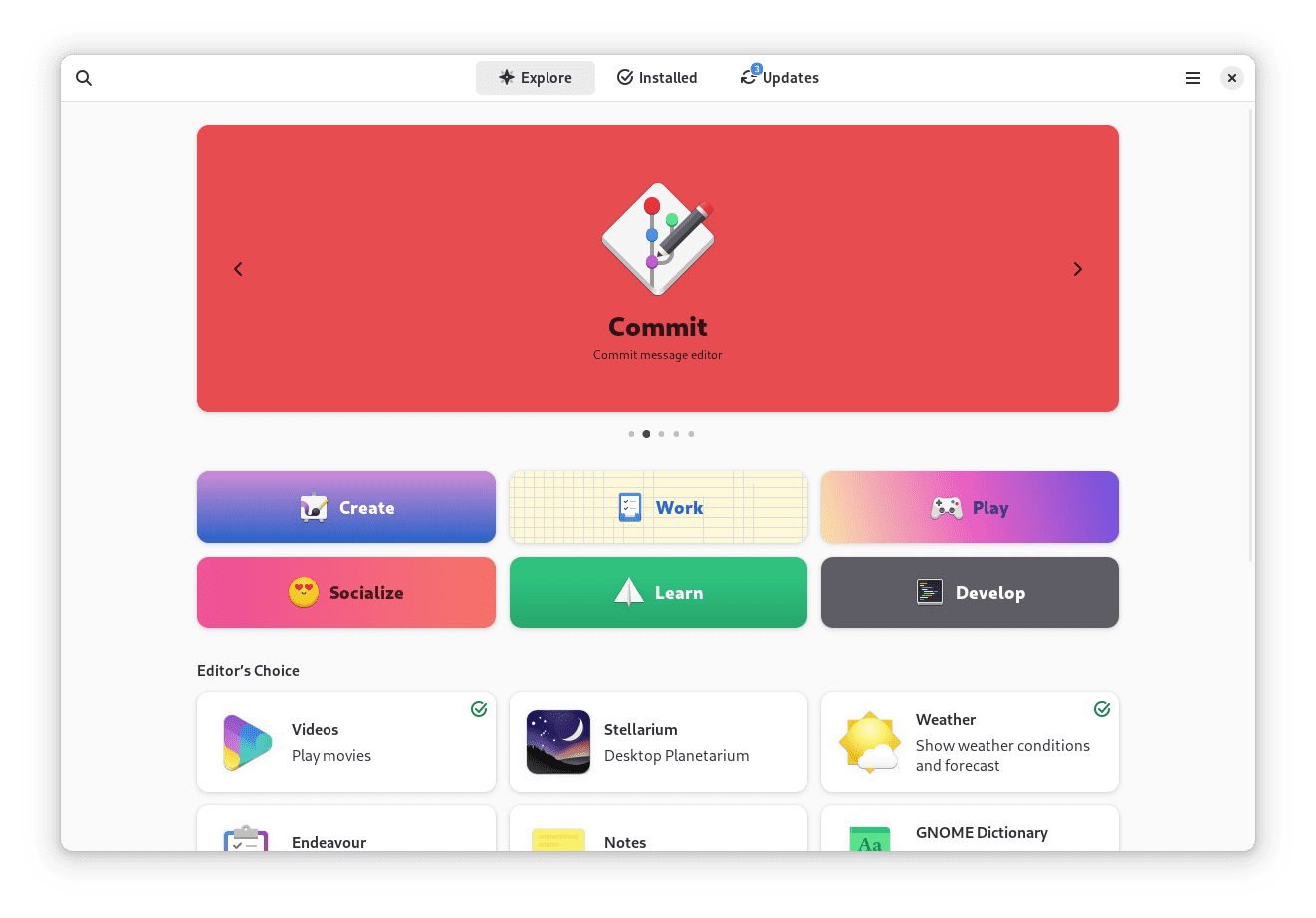
Fedora Workstation is a highly mature and popular operating system for developers and programmers. What distinguishes Fedora is its dedication to providing the most recent software and features, which is crucial for data scientists seeking the latest developments in software tools and libraries.

Top 5 Linux Distro for Data Science

It is completely free with no ads, and it values the privacy of your data. Moreover, its strong emphasis on open-source values ensures that users have access to a vast ecosystem of free and open-source software (FOSS) tools.

3. Zorian OS

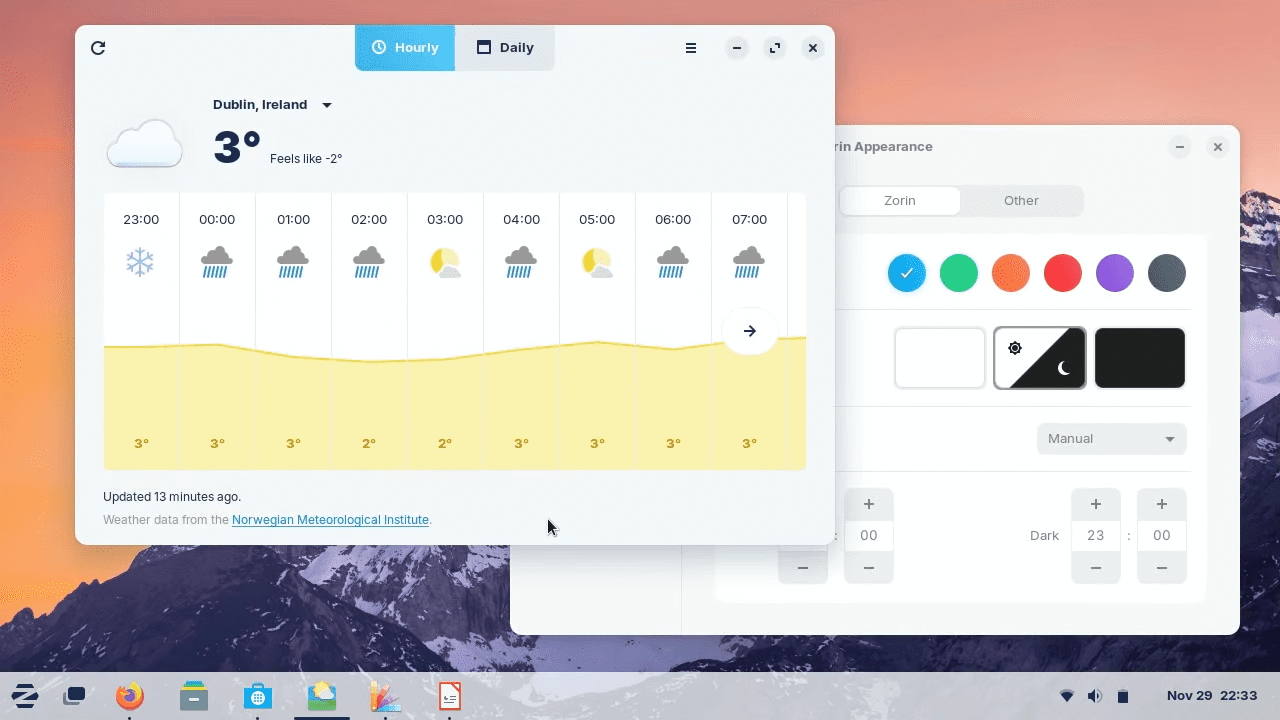
Zorin OS is quickly becoming my favorite operating system due to its ease of installation and pre-installed softwares. It is particularly user-friendly for those transitioning from Windows or macOS, offering a simple and elegant interface without sacrificing power or functionality.

Top 5 Linux Distro for Data Science

Zorin OS, being based on Ubuntu, can take advantage of its extensive repository of software and support. For data scientists, Zorin OS provides a comfortable and familiar environment while still delivering the versatility and performance that Linux is renowned for.

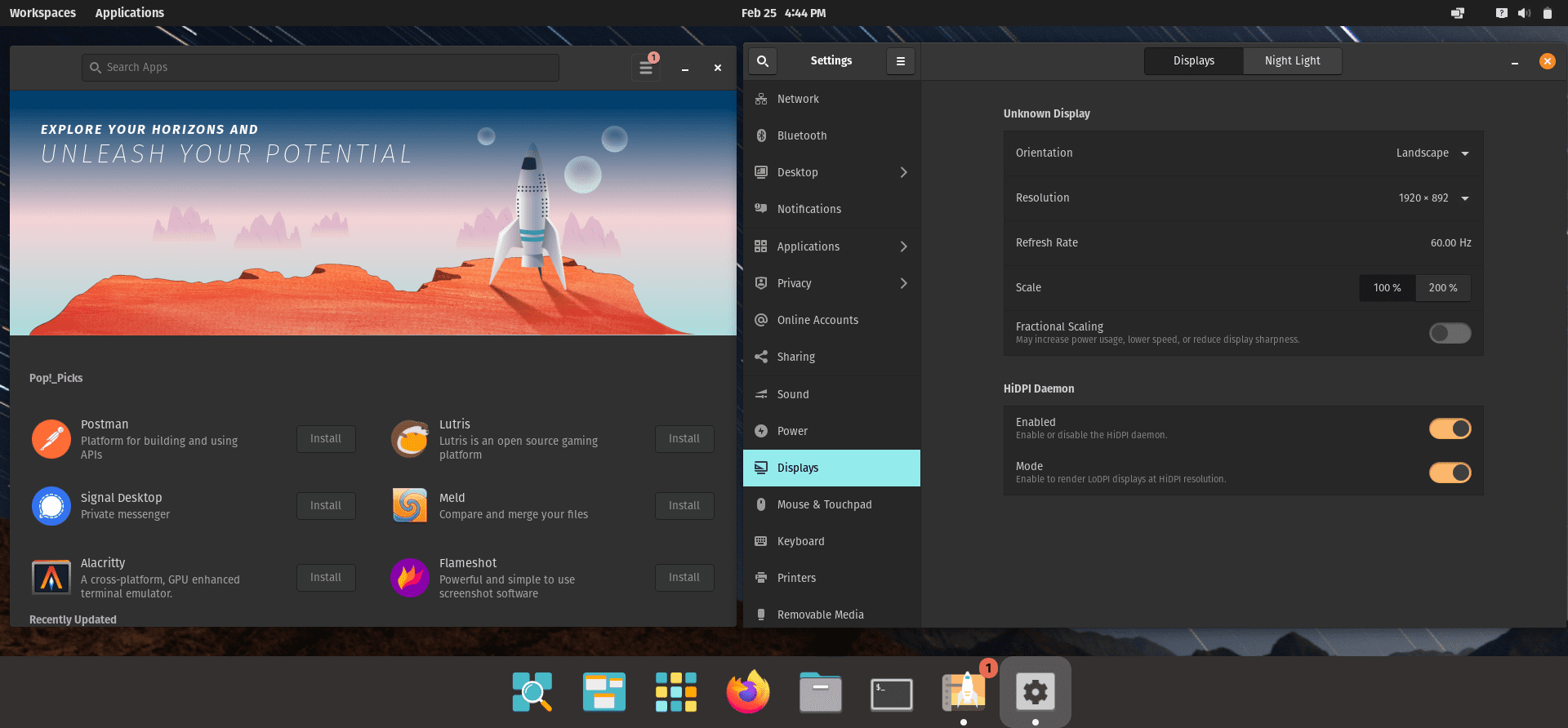
4. Pop!_OS

Pop!_OS is a popular Linux distribution that comes with pre-installed Nvidia GPU drivers. This means that you won't have to install anything extra in order to start training your deep learning model on the GPU. It is quite similar to Zorin OS in terms of ease of use and pre-installed applications.

Top 5 Linux Distro for Data Science

Pop!_OS is based on Ubuntu but adds its own flair with a streamlined and enhanced user interface that focuses on productivity and ease of use. I was able to install and start using VSCode for my project within just a few minutes. It is super easy to navigate and comes with tons of customization options.

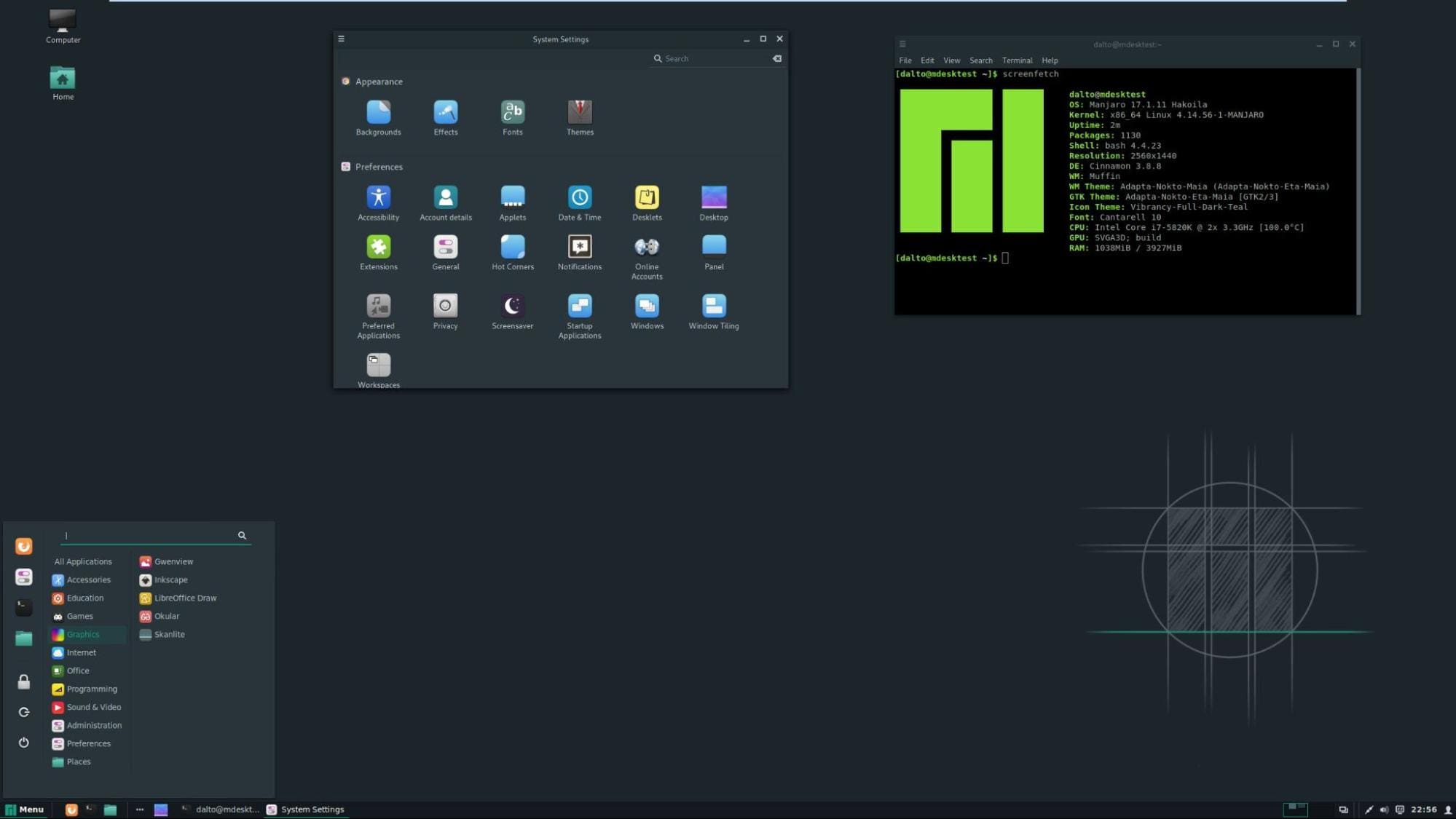
5. Manjaro

Manjaro is a user-friendly Linux distribution based on Arch Linux. Unlike Arch, which is aimed at more experienced users, Manjaro provides all the benefits of Arch Linux, including access to the AUR (Arch User Repository), in a more accessible, easier-to-install package.

Top 5 Linux Distro for Data Science

Manjaro is known for its rolling release model, which means that it receives regular updates and the latest software packages. It is also highly customizable, allowing users to tailor the operating system to their specific needs. Additionally, it provides a wide range of data science tools and libraries that are super important if you want to develop and deploy data science solutions.

Conclusion

Choosing the right Linux distribution for data science comes down to personal preferences, specific project requirements, and your level of comfort with Linux environments.

Linux differs significantly from Windows and macOS. Therefore, it is recommended to try out several stable Linux distributions and choose the one that works best for you. Some professionals prefer Arch, while some prefer Ubuntu. Ultimately, it depends on your personal preference.

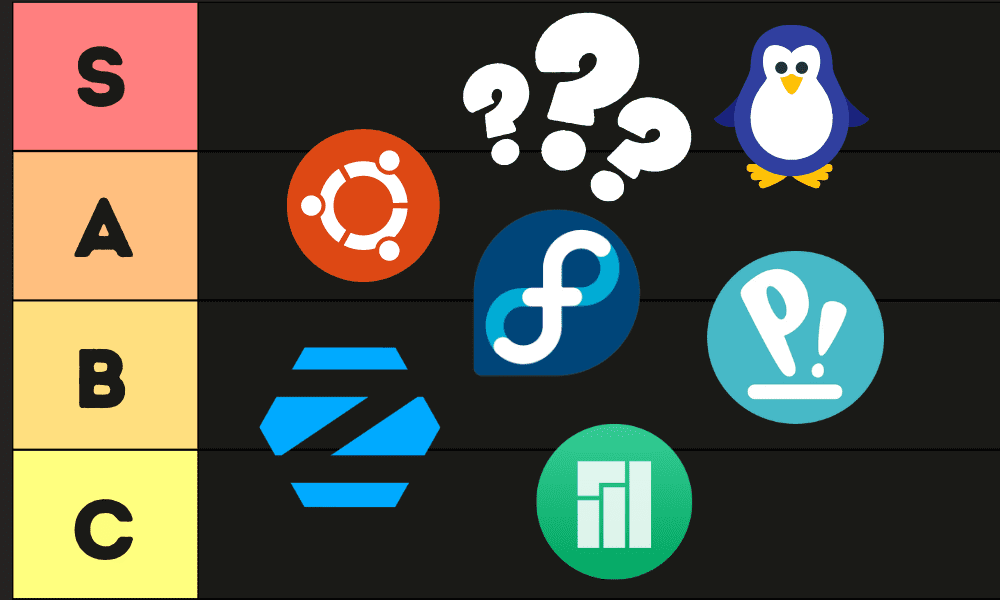
Fedora Workstation, Ubuntu Desktop, Zorin OS, Pop!_OS, and Manjaro are among the top picks for data science professionals, each offering unique benefits. Experimenting with one or more of these distributions will help you find the perfect fit for your data science journey.

Abid Ali Awan (@1abidaliawan) is a certified data scientist professional who loves building machine learning models. Currently, he is focusing on content creation and writing technical blogs on machine learning and data science technologies. Abid holds a Master's degree in Technology Management and a bachelor's degree in Telecommunication Engineering. His vision is to build an AI product using a graph neural network for students struggling with mental illness.

More On This Topic

  • KDnuggets News, November 30: What is Chebychev's Theorem and How…
  • KDnuggets News, June 29: 20 Basic Linux Commands for Data Science…
  • Linux for Data Science Cheatsheet
  • 20 Basic Linux Commands for Data Science Beginners
  • KDnuggets News, December 7: Top 10 Data Science Myths Busted • 4…
  • KDnuggets News, June 8: 21 Cheat Sheets for Data Science…

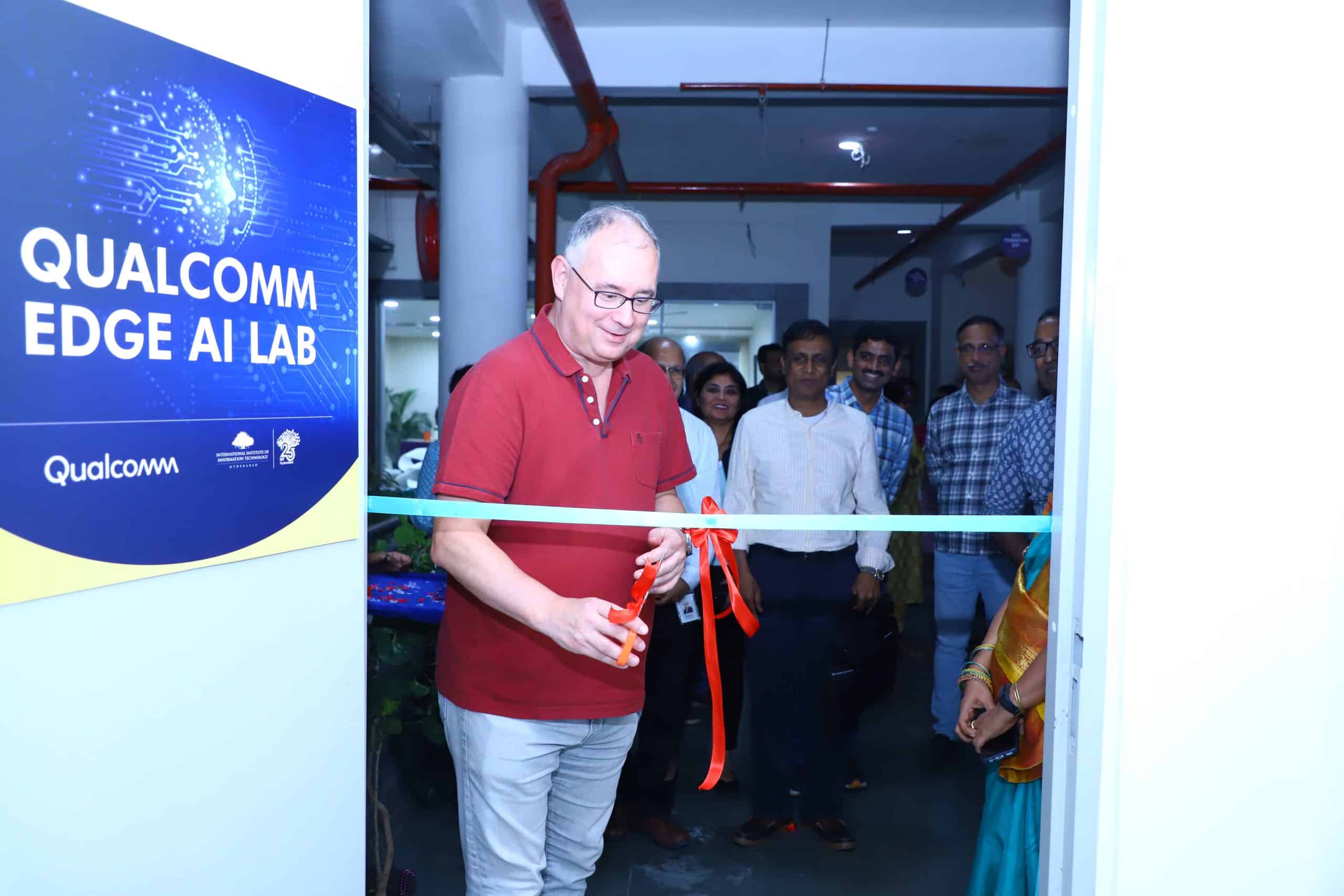
Qualcomm Provides IIIT Hyderabad with Grants to Develop Edge AI Use Cases

Qualcomm Technologies recently announced that it is providing the International Institute of Information Technology Hyderabad (IIITH) with a grant of USD 186,000 toward developing Edge AI use cases and AI models on Qualcomm platforms which will be led by Professor Ramesh Loganathan from IIITH.

The development kit, called the Qualcomm Innovators Development Kit (QIDK), is designed to help developers shorten their path to productivity by providing a package of hardware, software, and customer support built on the latest premium Snapdragon system-on-chip (SoC). This gives developers all the features, functions and performance of Snapdragon, all in one place.

This is the latest among Qualcomm’s ongoing initiatives to strengthen the R&D ecosystem in India and empower the brightest minds to advance the frontiers of cutting-edge technology. By bringing together and supporting some of the best minds in the tech domain, we’re pushing the boundaries and shaping the future of AI.

“Qualcomm and IIITH share the vision of a future where India is at the forefront of AI innovation, fueled by creativity, collaboration, and the relentless pursuit of excellence. Today’s announcement marks the beginning of a three-year journey of collaboration, research, and innovation for advancing Edge AI technologies,” said Leendert van Doorn, Senior Vice President of Qualcomm Technologies.

Qualcomm Technologies also announced that it will support the Centre for Development of Telematics (C-DOT), a public funded research institution focused on telecom technology by the Government of India, with expertise and best practices, state-of-the-art technology, intellectual property training and tools, for enabling Indian developers, academia, and OEMs, and fast-tracking the development and commercialization of indigenous telecom solutions utilizing Qualcomm® wireless solutions and technologies.

C-DOT and Qualcomm Technologies will work towards facilitating access for the selected startups, OEMs and academia with foundational technologies and domain experts that will stimulate innovation and help them scale up their R&D efforts.

The post Qualcomm Provides IIIT Hyderabad with Grants to Develop Edge AI Use Cases appeared first on Analytics India Magazine.