Google Partners with Apollo Radiology for Early Disease Detection in India

Google Health has collaborated with Apollo Radiology International in India to leverage the former’s AI capabilities to improve early disease detection, especially for tuberculosis (TB), lung cancer, and breast cancer.

TB is a major health concern in South Asia and Sub-Saharan Africa, and it lacks adequate radiologist interpretation for chest X-ray screenings, leading to delays in treatment and fatal outcomes. So, AI will help interpret these scans for TB signs, addressing the shortage of trained radiologists and inaccessible diagnostic tests in rural areas.

Similarly, lung cancer and breast cancer screenings in India face challenges due to limited expertise and accessibility. AI assists in making screenings more accessible and identifying incidental nodules, potentially improving early detection rates. With breast cancer having a high mortality rate in India and a scarcity of trained radiologists for interpretation, AI offers hope for scaling up mammogram screenings.

Looking ahead, the partnership seeks to expand AI-powered screening initiatives, with Apollo Radiology International aiming to provide three million free screenings over the next decade. The partnership is an effort to democratise access to healthcare services and improve health outcomes for communities across India.

In addition to early disease detection, Google.org supports initiatives like ARMMAN’s mMitra that address maternal and child health challenges. By harnessing AI predictions to deliver targeted preventive care messages via mobile services, mMitra aims to empower new and expectant mothers with essential health information, ultimately contributing to improved health outcomes for mothers and children in India.

Google is clearly all about making an impact and has a greater affinity for life science and healthcare. Recently, Google Research launched a new medical chatbot called AMIE, specialising in expert-level differential diagnosis.

Unlike the big tech’s previous AI model, Med-PaLM 2, which focuses on medical summaries or answering questions, AMIE serves as a diagnostic tool, generating differential diagnoses. AMIE is built on Google’s PaLM and trained on datasets containing medical conclusions, summaries, and actual clinical conversations.

The post Google Partners with Apollo Radiology for Early Disease Detection in India appeared first on Analytics India Magazine.

3 ways to accelerate generative AI implementation and optimization

A young, creative team member is drawing a lightbulb on a glass panel

Generative AI is the technology that IT feels most pressure to exploit, but nine out of 10 IT organizations can't support the growing demand for AI-related projects.

A recent survey of 600 IT leaders by Salesforce reveals a new mandate from their bosses: incorporate generative AI into the technology stack — and fast. The IT leadership survey reveals almost nine in 10 IT professionals can't support the deluge of AI-related requests they receive at their organization.

Also: Microsoft says 11 is the magic number for building AI habits

The survey also reveals the following gravitational pull of AI on IT:

  • Nine in 10 IT professionals say generative AI has forced them to re-evaluate their technology strategy, shifting their team's mindset around how new technology is onboarded and used.
  • 86% of IT professionals say their job has become more important since the introduction of generative AI.
  • 68% of IT professionals say their leadership expects them to be experts in generative AI.

There is strong business pressure to implement generative AI quickly. The survey found that 87% of IT professionals believe generative AI has met or exceeded its hype. Another important finding was that generative AI is the #1 technology IT feels pressure to onboard quickly. And the demand is coming from the top — c-suite executives are the #1 influencers demanding quick generative AI implementation, ahead of other stakeholders.

Also: My two favorite ChatGPT Plus features and what I can do with them

To better understand the demand for deployment of generative AI in the enterprise, I reached out to a global technology leader and innovation trailblazer, Jansen Savic, Global Head of Enterprise Technology at WEX. Savic is a visionary innovator and transformative leader in the realm of digital customer engagement technology. He has spearheaded high-performing organizations and delivered cutting-edge technology solutions across diverse sectors including retail, manufacturing, biotech, and payments. Jansen's expertise lies in scaling technology initiatives to meet the evolving needs of today's dynamic business environment.

Below are Savic's thoughts on how to develop a three-pronged strategy to accelerate GenAI adoption in your company.

How to accelerate generative AI implementation and optimization

There is clear evidence that 2024 is the year of GenAI implementations and optimizations. Throughout your company, generative AI (GenAI) is becoming ubiquitous. Conversations about its potential to revolutionize productivity are widespread. Some talk about how their children leverage AI to craft catchy pop tunes or effortlessly draft school essays.

Also: How (and why) to use ChatGPT's file analysis capability

Jansen Savic, Global Head of Enterprise Technology at WEX

Although AI technology has been around for a while, its new generative features are enabling productivity gains across all industries. Of even greater significance, AI is powering advancements in all other technology innovation areas.

On the episode of "In the Know," ARK Invest CEO/CIO, Cathie Wood comments that the convergence of technologies is creating explosive growth and opportunity, with AI serving as the catalyst for innovation and accelerating the development of energy storage, public blockchains, robotics, multiomic sequencing, and artificial intelligence.

With AI's potential now a reality, businesses are grappling with how to effectively implement it. You may be uncertain about how to scale GenAI within your organization, implement AI capabilities for both customers and employees, and fully harness its potential for genuine business value. Rest assured, you're not alone.

The latter part of 2022 introduced us to ChatGPT, while 2023 served as a year of experimentation, prototyping, and proof of concept projects, perhaps even piloting a few use cases.

Now, 2024 stands as the year of GenAI implementation. Here are three strategies to accelerate your Generative AI rollout:

  1. Partner with SaaS Leaders who have already mastered the art of building sophisticated Large Language Models (LLMs) and addressing foundational capabilities.

  • Just as you should not reinvent CRM, ERP, or HCM platforms, subscribe instead to proven SaaS solutions that offer LLM and AI platforms. These solutions benefit from extensive research and development, and thousands of successful implementations,
  • These providers have already developed foundational capabilities such as security, efficiency, toxicity management, grounding, and zero data retention.
  • By leveraging their expertise, you can expedite the deployment of trained models for your most valuable use cases.
  • Moreover, a network of implementation partners exists to assist you in rapidly achieving business value.

2. Establish an AI Lab dedicated to driving continuous innovation and ensuring operational capabilities.

  • Assuming you've already instituted an AI program complete with governance, prioritization, and measurement frameworks, an AI lab can serve as a powerful accelerator.
  • Staffed with architects, innovators, data scientists, quick learners, and developers, the lab can swiftly establish a pipeline that adheres to the design-test-learn-iterate process.
  • The ability to rapidly experiment with new features and fail fast empowers the team to think innovatively.
  • This agility enables you to explore new capabilities, test them within your environment and specific use cases, and expedite the realization of business value.
  • An important final step in the lab process is a smooth transition to your operational teams responsible for deploying and supporting the new technology at scale.

3. Foster a culture of experimentation that encourages all employees to explore and fail fast.

  • Offer content, training, and opportunities to engage with GenAI technology safely, both in professional and personal capacities.
  • Encourage idea generation through a community of practice forums and idea portals, recognizing that some of the best insights come from employees closest to your customers.
  • Enhance your Agile frameworks to accommodate your innovation process effectively.

By partnering with SaaS leaders, establishing an AI lab for innovation, and fostering a culture of experimentation, you can accelerate your Generative AI rollout and unlock its full potential for your organization in 2024.

This article was co-authored by Jansen Savic, Global Head of Enterprise Technology at WEX. Savic is a visionary innovator and transformative leader in the realm of digital customer engagement technology.

Featured

What to Know About NVIDIA’s New Blackwell AI Superchip and Architecture

NVIDIA, a vanguard in the AI and GPU market, has recently announced the launch of its latest innovation, the Blackwell B200 GPU, along with its more powerful counterpart, the GB200 super chip, as well as other impressive tools that make up the Blackwell Architecture. This announcement marks a significant leap forward in AI processing capabilities, reinforcing NVIDIA's influential position in a highly competitive industry. The introduction of the Blackwell B200 and GB200 comes at a time when the demand for more advanced AI solutions is surging, with NVIDIA poised to meet this demand head-on.

Blackwell B200: A New Era in AI Processing

At the core of NVIDIA's latest innovation is the Blackwell B200 GPU, a marvel of engineering boasting an unprecedented 20 petaflops of FP4 processing power, backed by a staggering 208 billion transistors. This superchip stands as a testament to NVIDIA's relentless pursuit of technological excellence, setting new standards in the realm of AI processing.

When compared to its predecessors, the B200 GPU represents a monumental leap in both efficiency and performance. NVIDIA's continued commitment to innovation is evident in this new chip's ability to handle large-scale AI models more efficiently than ever before. This efficiency is not just in terms of processing speed but also in terms of energy consumption, a crucial factor in today's environmentally conscious market.

NVIDIA's breakthrough in AI chip technology is also reflected in the pricing of the Blackwell B200, which is tentatively set between $30,000 and $40,000. While this price point underscores the chip's advanced capabilities, it also signals NVIDIA's confidence in the value these superchips bring to the ever-evolving AI sector.

GB200 Superchip: The Power Duo

NVIDIA also introduced the GB200 superchip, an amalgamation of dual Blackwell B200 GPUs synergized with a Grace CPU. This powerful trio represents a groundbreaking advancement in AI supercomputing. The GB200 is more than just a sum of its parts; it is a cohesive unit designed to tackle the most complex and demanding AI tasks.

The GB200 stands out for its astonishing performance capabilities, particularly in Large Language Model (LLM) inference workloads. NVIDIA reports that the GB200 delivers up to 30 times the performance of its predecessor, the H100 model. This quantum leap in performance metrics is a clear indicator of the GB200's potential to revolutionize the AI processing landscape.

Beyond its raw performance, the GB200 superchip also sets a new benchmark in energy and cost efficiency. Compared to the H100 model, it promises to significantly reduce both operational costs and energy consumption. This efficiency is not just a technical achievement but also aligns with the growing demand for sustainable and cost-effective computing solutions in AI.

Advancements in Connectivity and Network

The GB200's second-gen transformer engine plays a pivotal role in enhancing compute, bandwidth, and model size. By optimizing neuron representation from eight bits to four, the engine effectively doubles the computing capacity, bandwidth, and model size. This innovation is key to managing the ever-increasing complexity and scale of AI models, ensuring that NVIDIA stays ahead in the AI race.

A notable advancement in the GB200 is the enhanced NVLink switch, designed to improve inter-GPU communication significantly. This innovation allows for a higher degree of efficiency and scalability in multi-GPU configurations, addressing one of the key challenges in high-performance computing.

One of the most critical enhancements in the GB200 architecture is the substantial reduction in communication overhead, particularly in multi-GPU setups. This efficiency is crucial in optimizing the performance of large-scale AI models, where inter-chip communication can often be a bottleneck. By minimizing this overhead, NVIDIA ensures that more computational power is directed towards actual processing tasks, making AI operations more streamlined and effective.

GB200 NVL72 (NVIDIA)

Packaging Power: The NVL72 Rack

For companies looking to buy a large quantity of GPUs, the NVL72 rack emerges as a significant addition to NVIDIA's arsenal, exemplifying state-of-the-art design in high-density computing. This liquid-cooled rack is engineered to house multiple CPUs and GPUs, representing a robust solution for intensive AI processing tasks. The integration of liquid cooling is a testament to NVIDIA's innovative approach to handling the thermal challenges posed by high-performance computing environments.

A key attribute of the NVL72 rack is its capability to support extremely large AI models, crucial for advanced applications in areas like natural language processing and computer vision. This ability to accommodate and efficiently run colossal AI models positions the NVL72 as a critical infrastructure component in the realm of cutting-edge AI research and development.

NVIDIA's NVL72 rack is set to be integrated into the cloud services of major technology corporations, including Amazon, Google, Microsoft, and Oracle. This integration signifies a major step in making high-end AI processing power more accessible to a broader range of users and applications, thereby democratizing access to advanced AI capabilities.

Beyond AI Processing into AI Vehicles and Robotics

NVIDIA is extending its technological prowess beyond traditional computing realms into the sectors of AI-enabled vehicles and humanoid robotics.

Project GR00T and Jetson Thor stand at the forefront of NVIDIA's venture into robotics. Project GR00T aims to provide a foundational model for humanoid robots, enabling them to understand natural language and emulate human movements. Paired with Jetson Thor, a system-on-a-chip designed specifically for robotics, these initiatives mark NVIDIA's ambition to create autonomous machines capable of performing a wide range of tasks with minimal human intervention.

Another intriguing development is that NVIDIA introduced a simulation of a quantum computing service. While not directly connected to an actual quantum computer, this service utilizes NVIDIA's AI chips to simulate quantum computing environments. This initiative offers researchers a platform to test and develop quantum computing solutions without the need for costly and scarce quantum computing resources. Looking ahead, NVIDIA plans to provide access to third-party quantum computers, marking its foray into one of the most advanced fields in computing.

NVIDIA Continues to Reshape the AI Landscape

NVIDIA's introduction of the Blackwell B200 GPU and GB200 superchip marks yet another transformative moment in the field of artificial intelligence. These advancements are not mere incremental updates; they represent a significant leap in AI processing capabilities. The Blackwell B200, with its unparalleled processing power and efficiency, sets a new benchmark in the industry. The GB200 superchip further elevates this standard by offering unprecedented performance, particularly in large-scale AI models and inference workloads.

The broader implications of these developments extend far beyond NVIDIA's portfolio. They signal a shift in the technological capabilities available for AI development, opening new avenues for innovation across various sectors. By significantly enhancing processing power while also focusing on energy efficiency and scalability, NVIDIA's Blackwell series lays the groundwork for more sophisticated, sustainable, and accessible AI applications.

This leap forward by NVIDIA is likely to accelerate advancements in AI, driving the industry towards more complex, real-world applications, including AI-enabled vehicles, advanced robotics, and even explorations into quantum computing simulations. The impact of these innovations will be felt across the technology landscape, challenging existing paradigms and paving the way for a future where AI's potential is limited only by the imagination.

ServiceNow Introduces New Generative AI Features for Customers

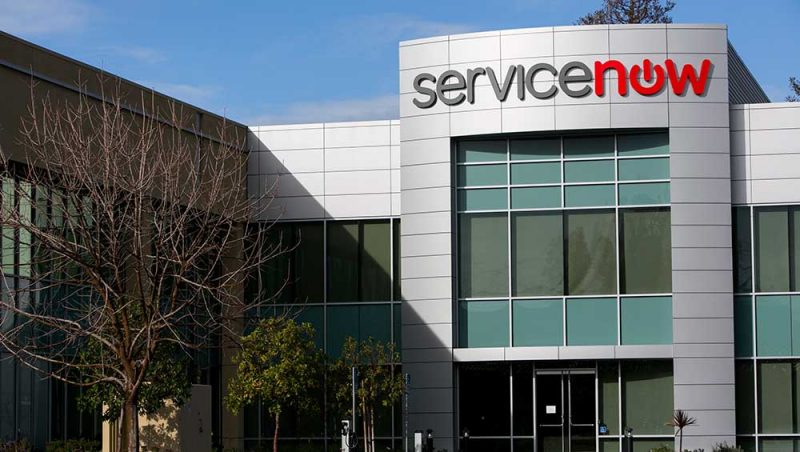
California-based ServiceNow, one of the leading names in operating as a cloud-based company delivering Software as a Service (SaaS), has unveiled new generative AI features in its enterprise AI platform Washington, D.C.

These updates focus on Now Assist GenAI experiences embedded within the ServiceNow platform to provide responsible and intelligent automation.

The latest additions include Now Assist for IT Operations Management (ITOM) AIOps, improvements in Virtual Agent capabilities, and ServiceNow Impact AI Accelerators. These features claim to enhance productivity and facilitate quicker realisation of value from AI investments for organisations.

Since enterprises are increasingly investing in generative AI, with a projected rise from $16 billion to over $143 billion within the next three years, as per IDC, ServiceNow’s Washington, D.C. release wants to capitalise on this trend by offering expanded solutions that facilitate smarter experiences and faster deployment across departments, all within a single platform.

The new features simplify intelligent automation experiences and enhance productivity through a user-friendly interface. Let’s take a look at them.

  1. Now Assist for ITOM AIOps supercharges ServiceNow’s ITOM AIOps solution, applying generative AI to speed up issue resolution by analysing alerts and providing critical context for operators. It can translate complex, jargon-heavy machine-generated alerts into simple natural language so operations teams can better understand, prevent, and solve issues faster. Powered by a domain-specific ServiceNow LLM (Now LLM), Now Assist for ITOM AIOps is optimised for productivity and data security to help protect enterprise operations data.
  2. Enhancements to Virtual Agent capabilities include AI-powered conversation automation, making creating self-service experiences quicker and easier. Dynamic translation ensures seamless communication by detecting and responding in the appropriate language in real-time.
  3. ServiceNow Impact AI Accelerators help organisations adopt generative AI experiences rapidly, align investments with business objectives, and track the value gained from AI for faster returns. These accelerators offer expertise, guidance, and support to maximise the benefits of generative AI.

Prominent corporates like EY, ANSR Global, and HCLTech are some of the users of this platform.

The post ServiceNow Introduces New Generative AI Features for Customers appeared first on Analytics India Magazine.

‘AI is Moving Away From Systems That Answer Questions to Those Which Ask Questions’ Says Google DeepMind Researcher

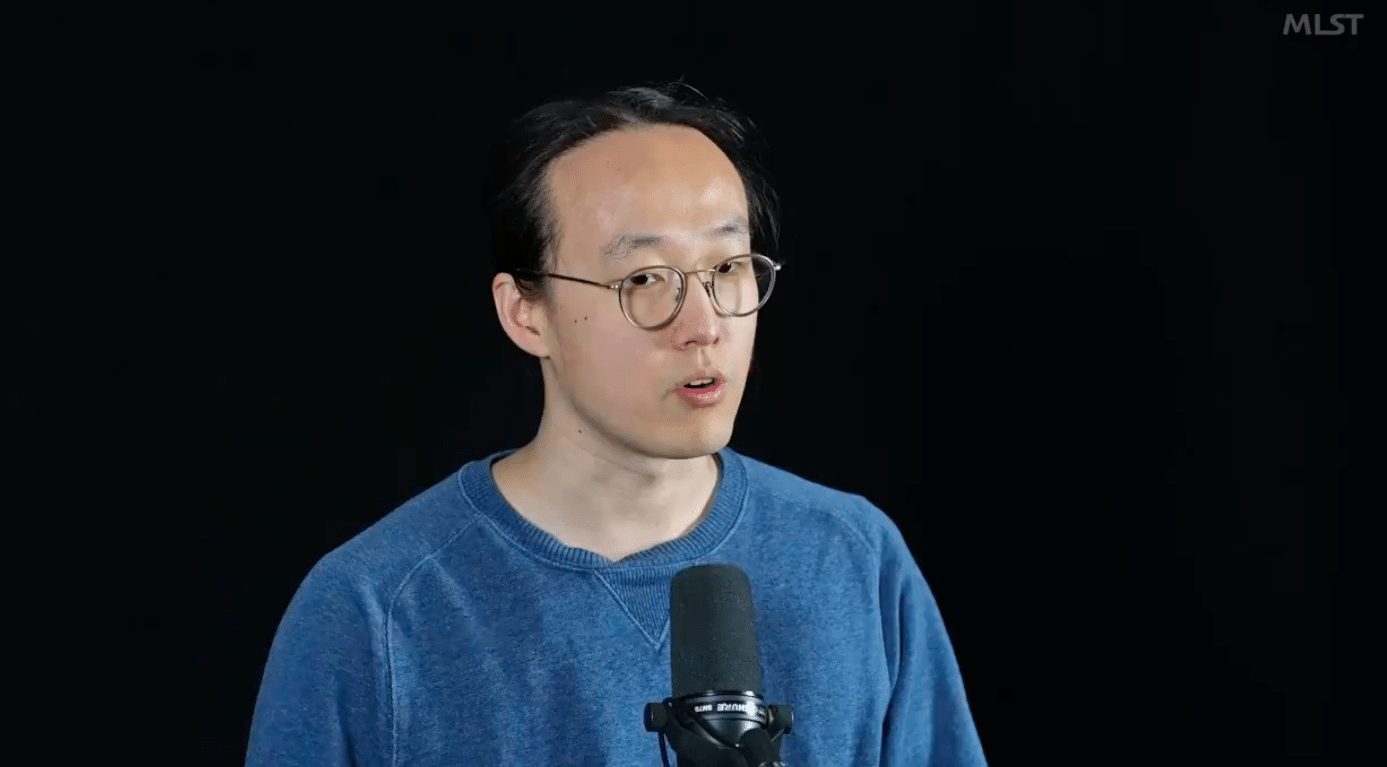
Google Deepmind AI researcher Minqi Jiang said the next frontier of AI is moving from systems that answer questions to systems which ask the questions. “The next frontier of AI is really how we design systems that don’t just answer questions, but they actually are the ones that start to ask the questions,” he said in a recent podcast.

“I think once we can have AI systems that start to ask interesting questions, um, that’s when we start to get closer to, I think, traditional notions of what a strong AGI might be,” he added.

Speaking of the current AI models from ChatGPT to Stable Diffusion, he said that these models are very impressive, but ultimately, what they do is answer questions. “Ultimately, what they do is they’re in the Q&A business. So, I basically ask these systems a question or give them a command, and they give me an answer.”

Minqi Jiang recently co-authored a paper ‘REWARD-FREE CURRICULA FOR TRAINING ROBUST WORLD MODELS’ which addresses the problem of generating curricula to train robust world models in a reward-free setting.

There is growing interest in developing generally capable agents that can adapt to new tasks without additional environment training. Learning world models from reward-free exploration is a promising approach for this. The model explores different environments or scenarios, gradually building a robust understanding of the world’s underlying dynamics.

The authors consider robustness in terms of minimax regret over all environment instantiations. They show that minimax regret can be connected to minimising the maximum error in the world model across environment instances.

The post ‘AI is Moving Away From Systems That Answer Questions to Those Which Ask Questions’ Says Google DeepMind Researcher appeared first on Analytics India Magazine.

How to watch Microsoft’s Surface and Windows AI event today (and what to expect)

Microsoft front of building in NYC

It's been two years since Microsoft launched the Surface Pro 9 or Surface Laptop 5. Finally, the company appears ready to launch succeeding models during today's hardware and AI event.

Microsoft's Surface and Windows AI event will begin at 9:00 a.m. PDT/ 12:00 p.m. ET. The event's webpage describes it as, "Advancing the new era of work with Copilot," hinting at a focus on enterprise services. It will be a digital event this time, meaning there will be no in-person component with the press or public and everyone will have the best (virtual) seat in the house.

Also: OpenAI's GPT store is brimming with promise — and spam

If you are interested in watching the event live, you can tune into the live stream on the event's webpage on the Microsoft website. It looks like Microsoft will not be live-streaming on YouTube for this event, but it's worth glancing over at the platform when the time comes just to make sure.

Since the initial teaser, the only additional detail Microsoft shared on the webpage is this brief description: "Tune in here for the latest in scaling AI in your environment with Copilot, Windows, and Surface."

As the title and description suggest, ZDNET expects a large focus on generative AI at the event, where the company will unveil its latest AI updates to Windows 11 and Copilot, likely tied to the launch of new Surface hardware.

The real stars of the show, however, will be the highly anticipated Surface Pro 10 and Surface Laptop 6. These launches will mark Microsoft's first laptops in the era of the AI PC. The laptops will be marketed as AI PCs because they feature hardware to better support new generative AI tools and features.

Also: 'Materially better' GPT-5 could come to ChatGPT as early as this summer

You can expect the Surface Pro 10 and Surface Laptop 6 to have next-generation processors to more robustly support running AI applications and circumvent the need to send data to cloud-based AI servers, a major feature of AI PCs. Reports reveal that the new laptops will first feature the latest Intel Core Ultra processors and then Snapdragon X Elite-based processors in a second shipment wave. These upgrades should give the laptops a big performance advantage over their predecessors.

If you can't tune into the live stream, fret not. ZDNET will be covering the event, so make sure to tune in for all of the latest announcements, roundups, and analyses.

More Microsoft

How Securonix is Building Cybersecurity for LLMs

Like the two sides of a coin, generative AI too is oscillating between being a boon and a bane. According to a recent report by Microsoft and OpenAI, while generative AI has had a positive impact in many areas, it has also wreaked havoc for cybersecurity. Malicious actors use the same technology to tip the balance in their favour.

The report stated that countries like Russia, North Korea, China, and Iran have attempted to use LLMs like GPT-4 to find targets and improve their cyberattacks.

Nayaki Nayyar, chief executive of AI-powered cybersecurity giant Securonix, told AIM, “If you thought cyber attacks were bad before, they would only worsen. The use of AI by threat actors will have a direct impact on an organisation’s ability to leverage AI to defend themselves.”

Nayyar has been with the company for over a year and is one of the most influential women leaders in this space. She was joined by Scott Sampson, chief revenue officer, Haggai Polak, chief product officer, and Harshil Doshi, country manager (India and SAARC), at the company’s flagship ‘Spark’ conference, held in Bengaluru on 23rd February 2023.

Last year, the company integrated OpenAI’s ChatGPT into its Unified Defense SIEM platform to improve security operations. With this, users can ask AI models questions in natural language and view results alongside relevant context gathered by the platform. Customisable security controls are implemented to prevent data leaks and protect sensitive information.

Securonix also scrubs responses from ChatGPT and employs audit logs to detect compliance issues or data leaks.

India as a Market

“Currently over 50% of our employees are from this country and we only see the number growing. About 20% of our global revenue comes from APMEA/India. We aim to take that revenue share to about 30% in our next phase of growth, especially since enterprises are shifting their data to the cloud,” said Nayyar.

The company aims to have 70% of its employees based in India by the end of the year.

It has two centres of excellence – in Pune and Bengaluru – with the majority of the company’s product and R&D hires based in India. It works with nearly 22 channel partners, including managed security service providers (MSSPs), system integrators (SI), distributors, and others.

“We want to focus primarily on channel partnerships and AI investments as a part of our growth strategy,” Sampson told AIM. The CRO confirmed that AI is considered a key force multiplier for the company, and it includes developing AI-driven tools such as developer copilots and customer care assistants.

“Since establishing our sales team in India in 2016, the company has doubled its go-to-market team size and secured approximately 12% market share. We expect to double it again in the next few years,” Sampson confirmed.

With a revenue of about $100 million, the company sees 60-63% of it coming through channel partners. They intend to increase this to about 75% in the next few years by introducing a more formal channel program and strengthening partnerships with hyperscalers like AWS.

Emerging Threats due to AI

According to Polak, generative AI has brought about new problems for defenders. These involve constructing attack chains from unknown actors, linking disparate events like suspicious website visits, anomalous processes on devices, or unusual communications to identify potential threats.

This task is complicated for humans and machines, but again, AI helps adapt to evolving attack methods, evaluates risks, and highlights critical issues for analysts.

In recent discussions with customers in India, Polak highlighted the prevalent issue of “alert fatigue” in cybersecurity, which is experienced globally. This fatigue stems from the overwhelming volume of alerts generated by Security Information and Event Management (SIEM) or User and Entity Behavior Analytics (UEBA) solutions.

The primary concern is to distinguish real threats from false positives or negatives, necessitating a reduction in noise.

Furthermore, the evolving nature of attacks, which are increasingly machine-oriented, calls for AI-based algorithms to address cybersecurity challenges. Human interpretation alone is inadequate to keep pace with rapidly evolving threats.

“At the same time, historically, India wasn’t highly regulated in data privacy and regulation, but it is changing. For example, India’s DPDP Act draws extensively from Europe’s GDPR,” said Doshi. Consequently, customers are now scrutinising the validation of AI algorithms to ensure they align with enterprise interests and comply with regulations.

Customers are also concerned about AI systems acting autonomously and beyond control.

Doshi noted that in India, besides the obvious financial sector, the healthcare sector has become increasingly vulnerable, especially post-COVID. Retail and wholesale, especially e-commerce giants, which have large customer bases also saw a significant rise in cyber threats.

But Polak noted that despite the global challenge of the shortage of skilled tech workers, this seems less of an issue in India.

Hence, talking about how we can use AI to prevent attacks, Polak said that his team follows the “human on the loop” instead of “human in the loop” and have seen positive impact.

“So basically, this means humans will be supervising and acting as an escalation point for AI systems rather than being directly involved in every process,” he added. This approach still provides human oversight but allows AI to act more autonomously compared to the latter design.

.

The post How Securonix is Building Cybersecurity for LLMs appeared first on Analytics India Magazine.

Introducing MetaGPT’s Data Interpreter: SOTA Open Source LLM-based Data Solutions

MetaGPT's Data Interpreter: Open Source Statistical Modeling
Image created by Author with Midjourney

MetaGPT is a multi-agent framework for assigning roles to various agents which leads to the formation of collaborative entities which are able to work in tandem to execute complex instructions. MetaGPT bills itself as a "software company as multi-agent system," giving you an idea of the intended usage of these collaborative entities. MetaGPT can be used as a standalone app from the command line, and as a library within your own Python scripts, allowing for the flexibility and control one would desire in such a framework.

The project began in April 2023, leveraging ChatGPT, and at the time of writing has nearly 40K stars on GitHub. Its GitHub repo further describes itself as follows:

MetaGPT takes a one line requirement as input and outputs user stories / competitive analysis / requirements / data structures / APIs / documents, etc.

Internally, MetaGPT includes product managers / architects / project managers / engineers. It provides the entire process of a software company along with carefully orchestrated SOPs.

MetaGPT architecture
MetaGPT's Software Company Multi-Agent Schematic (Gradually Implementing) (from MetaGPT's GitHub)

MetaGPT can be used for code generation, prototyping, project planning, and more. It has been recognized as a standout open source achievement, and is continually a trending GitHub repo.

That's MetaGPT. Now let's discuss Data Interpreter, Deep Wisdom's latest MetaGPT improvement, and achievement in its own right.

Full video to introduce MetaGPT Data Interpreter

Showcasing how to address electricity load forecasting challenges through dynamic planning, tool utilization, enhanced reasoning, and experience-based verification.

Repo: https://t.co/xWGS0UF9oW
Cases: https://t.co/GhNH54Ahhi… pic.twitter.com/Xc5aam1TXz

— MetaGPT (@MetaGPT_) March 19, 2024

Data Interpreter is another member agent of the MetaGPT framework, an agent dedicated to assessing and solving data-related tasks. From the paper:

In this study, we introduce the Data Interpreter, a solution designed to solve with code that emphasizes three pivotal techniques to augment problem-solving in data science: 1) dynamic planning with hierarchical graph structures for real-time data adaptability; 2) tool integration dynamically to enhance code proficiency during execution, enriching the requisite expertise; 3) logical inconsistency identification in feedback, and efficiency enhancement through experience recording. […] Compared to open-source baselines, it demonstrated superior performance, exhibiting significant improvements in machine learning tasks, increasing from 0.86 to 0.95. Additionally, it showed a 26% increase in the MATH dataset and a remarkable 112% improvement in open-ended tasks.

These findings are certainly impressive. And there is no need to take them at face value, since they have published these results. Deep Wisdom has also made available a plethora of examples to show how their Data Interpreter agent can be used in conjunction with the existing MetaGPT framework.

This example here shows how it can be used for NVIDIA stock trend analysis. To see what a MetaGPT Data Interpreter prompt looks like, I will duplicate it below:

Obtain NVIDIA Corporation (NVDA) stock price data from Yahoo Finance, focusing on historical closing prices from the past 5 years. Summary statistics (mean, median, standard deviation, etc.) to understand the central tendency and dispersion of closing prices. Analyze the data for any noticeable trends, patterns, or anomalies over time, potentially using rolling averages or percentage changes. Create a plot to visualize all the data analysis. Reserve 20% of the dataset for validation. Train a predictive model on the training set. Report the model's validation accuracy, and visualize the result of prediction result. close

You can check out the example notebook (linked above) to follow MetaGPT's process and see the results. Spoiler alert: Deep Wisdom isn't sharing them because they are not impressive 🙂

Read the full paper for all the info you could ask for. You can find out more about installation and usage on the project's GitHub repo. I can attest from experience that MetaGPT is a worthwhile project to check out, and with the addition of the Data Interpreter agent, this is even more true than it was before.

Matthew Mayo (@mattmayo13) holds a Master's degree in computer science and a graduate diploma in data mining. As Editor-in-Chief of KDnuggets, Matthew aims to make complex data science concepts accessible. His professional interests include natural language processing, machine learning algorithms, and exploring emerging AI. He is driven by a mission to democratize knowledge in the data science community. Matthew has been coding since he was 6 years old.

More On This Topic

  • Introducing MPT-7B: A New Open-Source LLM
  • Introducing PostHog: An open-source product analytics platform
  • Introducing OpenLLM: Open Source Library for LLMs
  • Introducing Objectiv: Open-source product analytics infrastructure
  • The Best SOTA NLP Course is Free!
  • Falcon LLM: The New King of Open-Source LLMs

‘I Hope You Realise This is NOT a Concert’ 

During his keynote at NVIDIA GTC 2024, CEO Jensen Huang, the rockstar of AI, had to remind everyone that it wasn’t a concert, although the arena exuded an energy that almost made it feel like one.

Jensen Huang is the new Taylor Swift pic.twitter.com/hJ52k4bti8

— Jim Fan (@DrJimFan) March 18, 2024

“I hope you realize this is not a concert; you have arrived at a developers’ conference. There will be a lot of science, algorithms, computer architecture, and mathematics,” exclaimed the NVIDIA chief with a grin as he began his keynote, acknowledging the continuous comparison made between NVIDIA and Taylor Swift regarding their influence on the US economy.

Huang even joked that he hadn’t prepared for the presentation by rehearsing it on a treadmill, a reference to Swift’s training regime for her Eras tour. “As I was simulating how this keynote was going to turn out, somebody did say that another performer did her performance completely on a treadmill so that she could be in shape to deliver it with full energy. I didn’t do that (sic),” he said.

Addressing a crowd packed with CEOs, developers, AI enthusiasts, and entrepreneurs, Huang stood in front of a 40-foot tall, 8K screen, the size of a tennis court, displaying images. As many as 11,000 GTC attendees gathered in-person – and many tens of thousands more online. Meanwhile, the record for Swift’s biggest show on the Eras tour so far was in Pittsburgh, with 73,117 fans attending it.

“I would pay thousands of dollars to attend Jensen Huang’s live talk and listen to Taylor Swift’s songs at home,” wrote a user on X. Another one posted, “Move over Taylor Swift, Jensen Huang can have a sellout arena too.”

Huang’s keynote stood out from the typical announcement-heavy format. It was infused with drama, music, animation, and moments of awkward silence followed by applause, interspersed with Huang’s attempted jokes that sometimes landed and sometimes didn’t.

A Visual Treat

Huang’s session kicked off with a stunning introduction by AI artist Refik Anadol, who displayed a massive real-time AI data sculpture bursting with vibrant greens, blues, yellows, and reds. The colors swirled and danced across the screen, creating a breathtaking spectacle that had everyone in the room mesmerised.

Art-meets-tech at @NVIDIAGTC! 🎨✨ Watch Refik Anadol's “Real Time AI Data Sculpture”, as shapes and textures dynamically form and dissolve, revealing intricate structures that defy completion 🦜🦉 Amazing GTC Keynote pre-show! pic.twitter.com/2FQhJzwZSa

— Claudia D'Arpino 🤖🧠 (@CPDArobotics) March 19, 2024

“One of the coolest things about NVIDIA GTC was seeing Refik’s generative AI art on stage… Wish I’d been there to see it IRL!!! #GTC24,” wrote a user on X.

“What you’re about to enjoy is the world’s first concert where everything is homemade. Everything is homemade. You’re about to watch some home videos, so sit back and enjoy,” quipped Huang as he played a simulated video (not animated), stitching together elements from various NVIDIA products including Isaac Sim, Omniverse, Earth-2, NIM, and more.

“What we’re going to show you today is a simulation, not an animation. It’s beautiful because it’s physics – the world is beautiful. It’s amazing because it’s animated with robotics, with artificial intelligence. What you’re about to see all day is completely generated, completely simulated in Omniverse,” asserted Huang.

Flurry of Announcements

The star of the show was the announcement of the Blackwell GPU, touted as the ‘world’s biggest GPU’. Huang not only disproved Moore’s Law but also showcased the various domains NVIDIA is impacting, including healthcare and humanoid robotics.

He highlighted NVIDIA’s expanding partnerships with leading tech companies. The display of an exhaustive list of NVIDIA partners could hardly fit the screen. The standout moment was when Huang casually leaked the parameter count of GPT-4, saying, “The latest OpenAI model comprises approximately 1.8 trillion parameters.”

Best for the Last

The show was not over yet.While announcing GR00T, a foundational model for humanoids, Huang posed with nine humanoids, approximately the same size as himself.

As he wrapped up his keynote, he was accompanied by the Orange and infamous Green BDX robots from Disney Research, which kept interrupting and disrupting the flow of his presentation, giving a comic touch.

The keynote ended with a bang, showcasing an animated video of a rocket ship taking a detour through NVIDIA Technologies with an animated Jensen Huang as the pilot.

The post ‘I Hope You Realise This is NOT a Concert’ appeared first on Analytics India Magazine.

Mustafa Suleyman is Now Microsoft’s Problem 

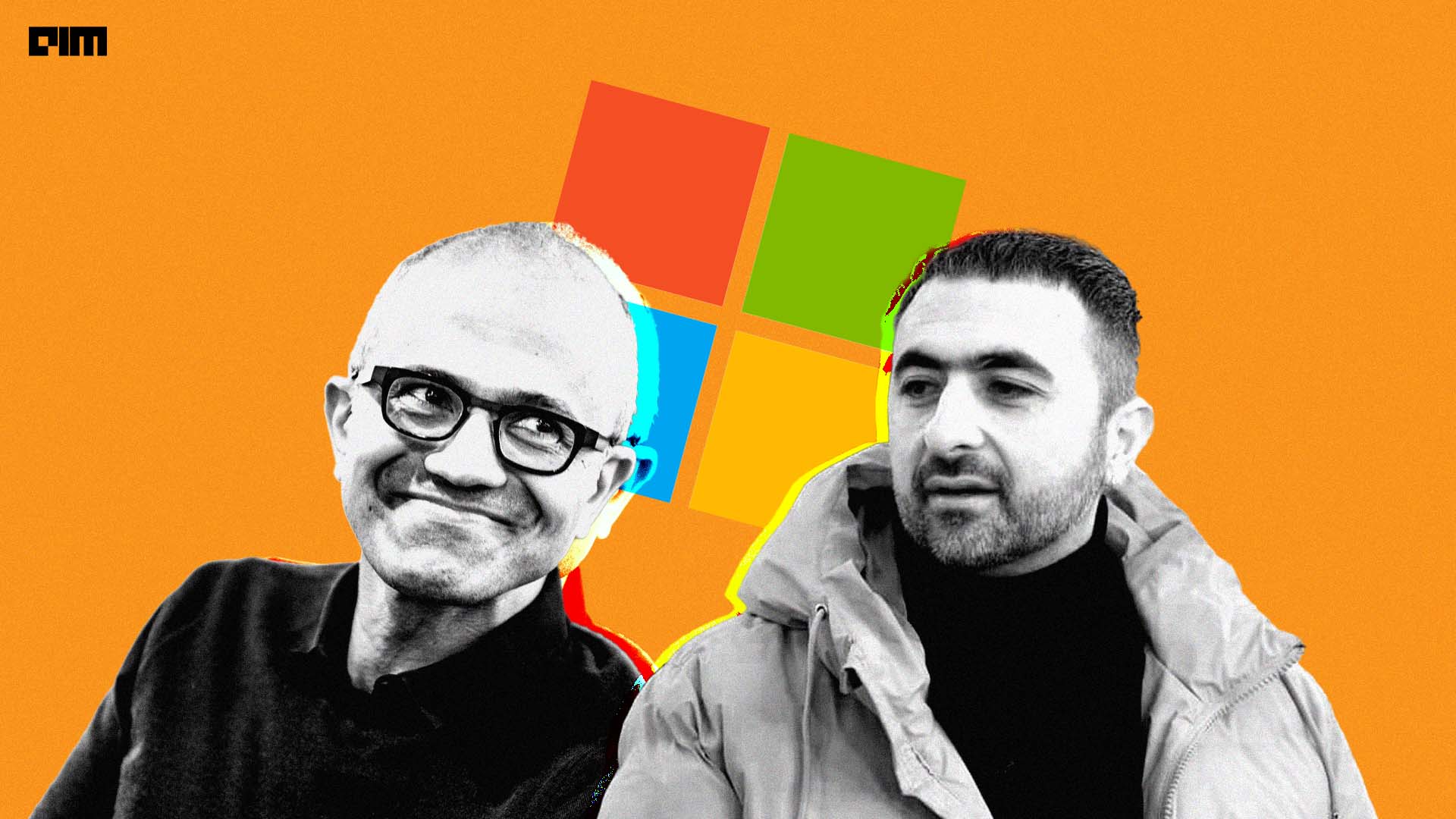
In a pivot to his eventful career, Mustafa Suleyman, the Inflection AI and DeepMind co-founder has joined Microsoft to steer its AI initiatives. “​​I’ll be leading all consumer AI products and research, including Copilot, Bing and Edge,” said Suleyman, sharing this surprising career update on X.

His career in AI began in 2010, along with Demis Hassabis, Shane Legg. The three of them co-founded DeepMind, an AI research firm focused on developing powerful algorithms.

As the head of product at DeepMind’s applied AI division, Suleyman oversaw projects in healthcare and energy. He also co-authored several influential papers, including ‘The kinetics human action video dataset’ and ‘Teaching machines to read and comprehend’. He was also instrumental in Google’s 2014 acquisition of the company for over $500 million.

Following the acquisition, he was quietly shuffled to Google from DeepMind in 2020, where he was the VP, AI product management & AI policy. Two years later, Suleyman left Google and started Inflection AI. This company offers a personal AI chatbot, Pi, that can be used as a therapist which offers empathetic responses and has a ‘single mission of making you happier, healthier and more productive’.

It isn’t surprising that Mustafa was interested in building something like Pi. Since the age of 17, much before DeepMind, he had co-founded the Muslim Youth Helpline in 2001, which later became one of the largest mental health support services for the community in the UK.

It is, however, surprising that he chose to abandon Inflection to join Microsoft when Pi had only recently received its massive funding. Quickly giving up on his dream of building the AI chatbot at Inflection that would help humanity has raised a few eyebrows. “Not a good sign for Inflection.ai,” said Yann LeCun.

For Microsoft, though, it is a mind boggling choice to poach the head of a company they’ve invested in. This ‘acqui-hire’ of the top talent from Inflection could be one way to avoid antitrust scrutiny. While Microsoft’s investment gave it a front-row view of Inflection’s progress, it also made Microsoft’s hiring raid look opportunistic.

But is Mustafa Suleyman the right fit with Microsoft’s work culture?

Who is Mustafa Suleyman?

Suleyman grew up in a working-class family, born in London to a Syrian father, who was a taxi driver and an English mother, who worked as a nurse. He attended state schools before studying philosophy at Oxford University but dropped out to build the largest mental health support services for Muslims.

It was at Oxford that Suleyman met his future DeepMind co-founder, Hassabis. The duo bonded over their shared interest in AI and its potential to positively impact the world.

As the product head of DeepMind, Suleyman played a pivotal role in developing AlphaGo. He, however, left his post after an investigation into complaints about his management style. He has since publicly apologised, stating in an interview, “I really screwed up. I was very demanding and pretty relentless. I remain very sorry for the hurt that people felt there.”

Suleyman reflected that the experience “gave me the opportunity to really take a step back and reflect and grow and mature a little bit as a manager and a leader.” He has been working with a coach to improve his management approach.

During the short stint at Google, Suleyman turned sceptic about the unchecked growth of AI. He has consistently warned about the dangers of unchecked development in AI and has warned of a possible, “catastrophe of an unimaginable scale”.

He also suggested that a pause in development might be necessary in the near future, saying, “I don’t rule it out. And I think that at some point over the next five years or so, we’re going to have to consider that question very seriously.”

In his 2023 book ‘The Coming Wave,’ Suleyman argued that biological developments with AI and other burgeoning technologies could allow “a diverse array of bad actors to unleash disruption, instability, and even catastrophe on an unimaginable scale”.

Despite his flip-flopping stance on AI’s potential dangers, Suleyman has consistently proposed solutions to manage these risks. Recognised by TIME as one of the 100 Most Influential People in AI, Suleyman may have differed in his assessment of AI’s threat level, but remains focused on pragmatic governance.

He has emphasised the need for good institutions and a conceptual framework for thinking about AI, saying, “AI governance must be targeted, risk-based, and modular, rather than one-size-fits-all.”

Currently, in his new position as the CEO of Microsoft AI, Suleyman will oversee a significant portion of the tech giant’s AI endeavours. Mikhail Parakhin, CEO of Microsoft’s advertising and web services, and his entire team, including those working on Copilot, Bing, and Edge, will report directly to Suleyman.

Additionally, Misha Bilenko, corporate vice president of GenAI at Microsoft, and his team will also fall under Suleyman’s purview.

This new set of responsibilities, a contrast to the ones he held at Google, will “double down on innovation”, pausing his efforts in ethical AI.

Suleyman’s transition to Microsoft aligns with his conviction that, “The competitive nature of companies and of nation states is going to mean that every organisation is going to race to get their hands on intelligence. Intelligence is going to be a new form of capital.”

His choice to join Microsoft could indicate his belief in the company’s potential to win this race, while Satya Nadella is optimistic that Suleyman will navigate the balance between innovation and responsible AI.

The post Mustafa Suleyman is Now Microsoft’s Problem appeared first on Analytics India Magazine.