India’s technology sector welcomed the new year on a sombre note, with hiring demand at its weakest in four years, underscoring a prolonged slowdown that began in late 2022 with barely any signs of a broad-based recovery.
According to Xpheno’s Active Tech Jobs Outlook – India, January 2026, there were approximately 103,000 active tech job openings in the first month of the new year, marking a 1% month-on-month (MoM) dip and a 24% decline compared with January 2025. Active demand is now roughly 60% below peak levels of early 2022, when hiring volumes crossed 260,000 roles.
Kamal Karanth, co-founder of talent solutions firm Xpheno, said in a release that the sector “caught a cold” in 2022 and has struggled to regain momentum since, with only brief and unsustained periods of recovery. The downturn, he said, has also eroded technology’s long-held position as the dominant contributor to India’s overall hiring activity, with the focus shifted to non-tech sectors over the past three years.
The data also shows uneven trends across cohorts.
IT services, the largest consumer of tech talent, reported 41,000 active openings, flat sequentially and 18% lower year-on-year (YoY), reflecting continued pressure from subdued global technology spending and uncertainty in key markets such as the US.
By contrast, global capability centres (GCCs) emerged as a relative bright spot. GCC tech hiring rose 13% MoM to 17,000 openings, and was 7% higher than a year ago, lifting its share to about 16% of total active tech demand.
Role composition also highlighted a cautious hiring stance. Mid-senior positions accounted for 56% of all openings but declined 5% from December, while entry-level roles grew 8% MoM to 14,000 openings, even as they remained 18% below year-ago levels.
Geographically, demand remained concentrated in major technology hubs, with megacities accounting for about 63% of openings, though this segment has seen a 49% YoY decline.
In contrast, tier-2, 3 locations recorded a 30% annual increase, indicating a gradual redistribution of tech hiring beyond traditional centres.
Full-time remote roles accounted for about 9% of active tech openings in January 2026, with roughly 9,000 work-from-home jobs, down 10% MoM and 11% YoY. In contrast, work-from-office roles dominated hiring, making up over 70% of demand at around 73,000 openings, while hybrid roles stood at about 21,000, also declining both sequentially and annually.
Xpheno noted that early indicators for 2026 do not yet point to a strong turnaround, with a sustained recovery closely tied to improved conditions and renewed hiring aggression within the IT services sector. The report tracked a curated count of active tech job openings directly posted by employers over a four-week period. It included tier-1, 2 Indian IT companies, tech SMEs, and startups. The company clarified that the data excludes roles advertised solely through recruitment or staffing agencies and reflects demand signals rather than actual hiring outcomes.
Xpheno explained that typically, 70–80% of job openings are published publicly, while 20–25% are filled internally, particularly in large companies. From a candidate’s perspective, job portals and company career pages generally display the same set of openings, amounting to approximately 103,000–104,000 active positions.
The post Indian tech hiring down 24% YoY in Jan 2026: Xpheno report appeared first on Analytics India Magazine.
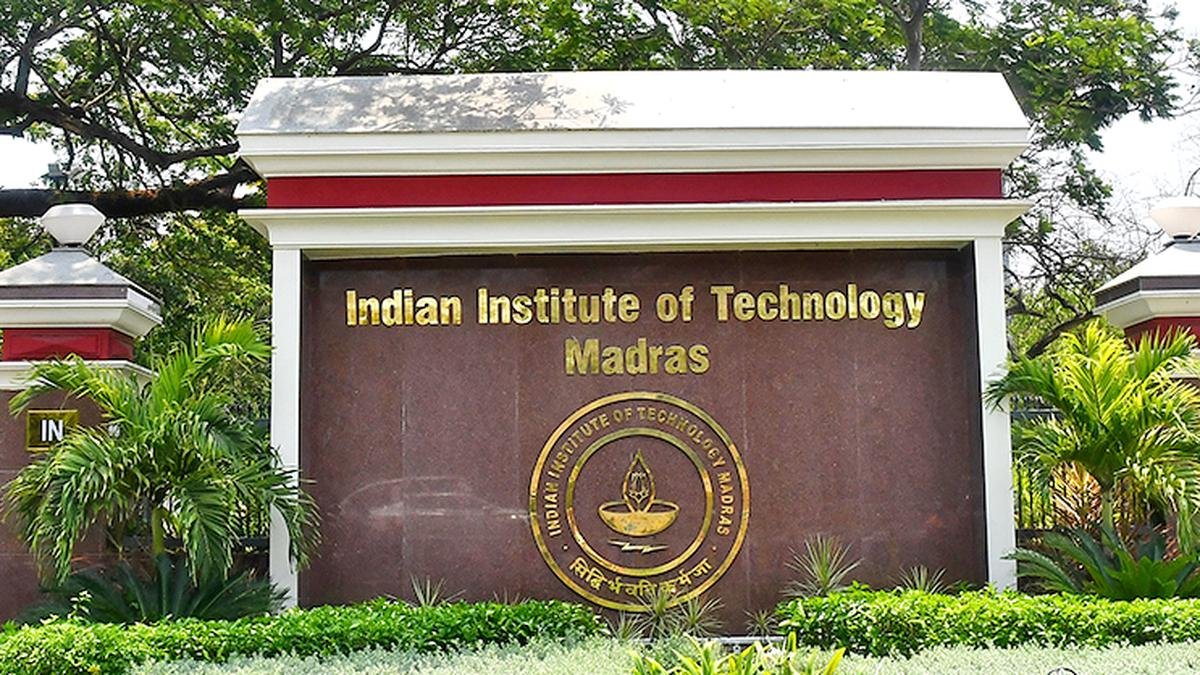
The Indian Institute of Technology Madras has launched IITM Global, a new international research and innovation platform aimed at positioning the institute as a multinational university.
The initiative was unveiled on the IIT Madras campus by External Affairs Minister S Jaishankar as part of the institute’s broader push to scale its global academic, research, and startup footprint.
IITM Global is designed as a dedicated vehicle to expand IIT Madras’s presence in international markets by enabling collaboration across research, industry, startups, and talent mobility, while also channeling global projects, partnerships, and capital back into India.
As part of the rollout, IIT Madras has signed multiple memorandums of understanding (MoUs) across key geographies. These include three MoUs in the United States, one in the United Kingdom, three in Germany, three in Dubai, three across the Asia-Pacific region, including Singapore and Malaysia, and six partnerships under the India-for-Global initiative.
The partnerships will focus on joint research programmes, startup and industry collaboration, global talent exchange, and the commercialisation of deep tech research.
V Kamakoti, director of IIT Madras, IITM Global will operate through a four-pronged approach. It will initially establish a presence in five locations, including the United States, Dubai, Malaysia, and Germany, with expansion to additional countries planned based on outcomes and demand.
The platform has been structured as a plug-and-play framework, allowing researchers, startups, and industry partners to access global research infrastructure, markets, and funding without setting up independent overseas entities. Officials said this model is intended to remain scalable while balancing international engagement with domestic execution.
IITM Global will focus on priority domains aligned with IIT Madras’s research strengths, including data science and artificial intelligence, quantum computing, cybersecurity and blockchain, space technology, advanced mobility, energy and water sustainability, health technology, and green technologies.
IIT Madras has consistently ranked first in India’s National Institutional Ranking Framework and features among leading Asian universities in global rankings. In 2023, it became the first IIT to establish an international campus in Zanzibar, Tanzania.
The post IIT Madras launches IITM Global as a Multinational University appeared first on Analytics India Magazine.
The Telangana government has reached out to Elon Musk-owned Starlink, inviting it to consider setting up an engineering global capability centre (GCC) in Hyderabad.
A senior government source told BusinessLine that the state encouraged the company to explore Hyderabad as a base for its global engineering and technology operations, noting that Hyderabad has firmly established itself as a preferred destination for multinational GCC investments.
Confirming the development, a senior state government official told AIM that Telangana is proactively engaging with a wide range of global companies as part of its broader push to attract GCC investments.
However, with affordable 5G now widely available across the state, the source observed that there may not be significant demand for premium-priced satellite connectivity among consumers. He noted that satellite-based services could be more relevant for specific institutional use cases, such as banking and enterprise operations, rather than mass-market adoption.
The state government has maintained that its primary engagement with the US company is focused on GCC investment.
Telangana is also engaging with US telecom major T-Mobile to explore the possibility of establishing a GCC in Hyderabad, the source further said.
Sources previously told AIM that Telangana has attracted over 75 greenfield GCCs in 2025, compared to 40+ in Karnataka. This signals a notable shift, with Telangana overtaking Karnataka as the leading destination for new GCC establishments in India.
Meanwhile, Starlink plans to lower the operating altitude of its entire satellite constellation beginning in 2026, as part of an effort to reduce congestion and safety risks in Earth’s orbit.
Satellites currently operating at about 550 km will be gradually moved down to around 480 km, Michael Nicolls, SpaceX’s vice president of Starlink engineering, posted on X. He said lower orbits help minimise long-term debris risks and the chances of collisions as satellite launches increase globally.
The move follows a rare in-orbit incident disclosed by Starlink in December, when a satellite experienced an anomaly at an altitude of roughly 418 km, lost communication, and generated a small amount of debris. While such failures are uncommon, the incident has heightened scrutiny around how large satellite constellations are managed responsibly.
Starlink’s decision to lower the operating orbit of its satellite constellation has sparked discussion on online forums, including Reddit, with many questioning whether space safety is the only motivation behind the move.
Several commenters argued that the move closely aligns with Starlink’s ambitions to offer satellite-to-cell connectivity.
Lowering orbit helps with basic services such as texting and light data use, especially in remote areas, as it reduces signal delay and power consumption. However, external analysis suggests it cannot replace terrestrial mobile infrastructure. Voice calls and dense urban usage remain constrained by physics, shared capacity, and regulatory limits.
The post Telangana Courts Starlink for Engineering GCC in Hyderabad appeared first on Analytics India Magazine.
DeepSeek has released new research showing that a promising but fragile neural network design can be stabilised at scale, delivering measurable performance gains in large language models without significantly compromising efficiency.
The paper, titled Manifold-Constrained Hyper-Connections, builds on an emerging architectural approach known as ‘Hyper-Connections’, which allows multiple residual pathways inside a model to mix dynamically rather than follow a single fixed route.
The idea is to give models more internal flexibility, enabling stronger reasoning and more effective use of parameters as they scale.
Earlier versions of this design, however, proved difficult to train at large sizes.
Unconstrained mixing unintentionally amplified or suppressed signals across layers, leading to what the authors describe as “severe numerical instability” as models became deeper. In practice, this resulted in unstable gradients and sudden training failures at larger scales.
DeepSeek’s contribution is a constrained version of the architecture that limits residual mixing to redistributing information rather than amplifying it, ensuring what the paper calls “bounded signal propagation across depth.” The constraint restores training stability while preserving the benefits of richer internal routing.
Models using the approach trained reliably up to 27 billion parameters, a scale at which unconstrained Hyper-Connections failed.
On BIG-Bench Hard, a benchmark focused on complex, multi-step reasoning, accuracy rose from 43.8% to 51.0%.
Performance also improved on DROP, a benchmark testing numerical and logical reasoning over long passages, and on GSM8K, a standard test of mathematical reasoning.
Crucially, these gains came with only a ~6–7% increase in training overhead, suggesting the approach could be viable for production-scale models.
The company has published a technical report that provides an extensive account of the methodology and findings of the research.
DeepSeek’s work points to a broader implication. Meaningful performance improvements may increasingly come from architectural refinements, not just larger models or more data.
The work also fits into a broader pattern in DeepSeek’s research strategy.
The lab was previously credited with developing Group Relative Policy Optimisation (GRPO), a reinforcement learning method used to train its reasoning-focused models, including DeepSeek-R1.
That model drew widespread attention for delivering strong reasoning performance with significantly lower training compute, briefly unsettling assumptions across the AI industry and even rippling into public markets.
Last month, DeepSeek launched two new reasoning-first AI models, DeepSeek-V3.2 and DeepSeek-V3.2-Speciale, expanding its suite of systems for agents, tool-use and complex inference.
The models introduce an expansion of DeepSeek’s agent-training approach, supported by a new synthetic dataset spanning more than 1,800 environments and 85,000 complex instructions.
The company stated that V3.2 is its first model to integrate thinking directly into tool use, allowing structured reasoning to operate both within and alongside external tools.
In November, DeepSeek released DeepSeekMath-V2, becoming one of only three AI labs—alongside OpenAI and Google DeepMind—to achieve a gold-medal-level score on the International Mathematical Olympiad (IMO) 2025 benchmark.
The post New DeepSeek Research Shows Architectural Fix Can Boost Reasoning at Scale appeared first on Analytics India Magazine.
HCLSoftware, HCLTech’s enterprise software products arm, made two acquisitions this year to sharpen its focus on data, analytics, and generative AI-led enterprise software.
The company said the acquisitions of Wobby, which builds AI data analyst agents, and embedded analytics platform Jaspersoft are central to building a more integrated data and AI stack that allows enterprises to analyse, govern, and act on data at scale. In an email interaction with AIM, a company spokesperson said that HCLSoftware is creating “an end-to-end data intelligence stack that can enable hybrid and sovereign data at scale.”
In simpler terms, the company aims to help enterprises organise their data, analyse it using AI, and turn insights into action through a single, integrated system.
The spokesperson said the recent acquisitions are positioned within a unified roadmap across the customer data value chain rather than operating as standalone products.
As part of HCLSoftware’s XDO (experience-data-operations) blueprint, the roadmap brings together a data intelligence layer built on a metadata-driven knowledge graph, a semantic layer that enables natural-language interaction with data, and embedded visualisation and business intelligence.
According to the company, this approach allows for conversational, explainable and agentic interfaces to data instead of complex technical queries, enabling enterprises to govern, analyse, and use data more effectively. The combined stack supports enterprise-specific governance, cataloguing, AI-driven analysis, and business insights.
Wobby’s AI data analyst agents “utilise context-aware workflows and incorporate a powerful Agentic AI layer into this stack, enabling business users to interact with their raw data through a natural language interface and obtain fast and accurate business insights on demand,” the spokesperson said.
They added that Wobby strengthens “AI-driven governance, catalogue, and metadata capabilities,” while its use of a semantic layer and knowledge graph helps constrain and guide AI reasoning, improving accuracy and consistency while reducing ambiguity.
Jaspersoft, meanwhile, “offers unique and industry-leading pixel-perfect reporting and embedded analytics capabilities, which are architecture-agnostic and deployable in any environment,” enabling a comprehensive business intelligence platform across platforms, applications, and infrastructure.
As customers scale their generative AI transformation, the company needs consistent analytics, reliable reports, and flexibility in how they own their analytics experience, with Jaspersoft creating “a unique differentiation across the portfolio, paving the way towards business intelligence-driven outcomes,” the spokesperson noted.
On whether these acquisitions are aimed at embedding HCLSoftware deeper into customers’ core IT architectures, the company said it envisions deepening long-term customer relationships by delivering more actionable business insights through its portfolio.
These capabilities are enhanced through HCLSoftware’s “Build-Buy-Ally” strategy, under which the company builds core capabilities in-house, acquires products that accelerate strategic goals, and partners where customer and ecosystem needs require it.
Addressing monetisation, the spokesperson said embedded analytics and AI within enterprise workflows and GenAI-led transformation services are viewed as two distinct but complementary capability domains that continue to coexist.
In this context, Wobby enhances HCLSoftware’s AI narrative by positioning AI agents as first-class consumers of enterprise data, while Jaspersoft reinforces its analytics foundation with a mature, embeddable BI platform that scales across use cases, industries, and deployment models.
With Wobby and Jaspersoft, the company said it has successfully filled key product gaps and invested in next-generation technology to address end-to-end data management requirements within its existing portfolio.
On build-versus-buy decisions, HCLSoftware said portfolio expansion is treated as a disciplined strategic exercise, balancing internal capabilities with market dynamics, including skills availability, time-to-market, competition, and evolving technology trends.
Outlining its M&A principles, the company said it focuses on strategic growth assets aligned with the long-term roadmap of its enterprise software portfolio and assets that help accelerate product development and competitiveness.
On Jaspersoft’s positioning versus hyperscaler-embedded BI tools, the company spokesperson said Jaspersoft is differentiated by industry-leading pixel-perfect reporting, an architecture-agnostic approach, and a highly engaged open-source developer community. They added that Jaspersoft is not an end-of-life product, noting that revenue impact in the past was linked to the formation of Cloud Software Group in 2022 and a shift in go-to-market focus, with growth re-acceleration seen after a dedicated leadership team was brought in 2024.
In the quarter ended September, HCLTech posted consolidated revenue of about $3.6 billion (₹31,942 crore), reflecting mid-single-digit growth sequentially. Within this, HCLSoftware reported annual recurring revenue (ARR) of roughly $1.05–1.06 billion, underscoring the scale of its software business, though the company did not disclose standalone quarterly revenue for the unit.
The post Two Acquisitions, One Big Goal: Inside HCLSoftware’s Smart Data and AI Brain appeared first on Analytics India Magazine.
Global capability centres (GCCs) in India have moved well beyond their original role as cost-efficient back offices. In 2026, their relevance will be judged by the depth of capabilities they bring, their ability to operate with resilience, and the tangible business impact they create for their parent organisations.
This shift reflects a broader rethinking by global enterprises about where innovation is built and where critical decisions are made. Amid economic volatility, regulatory pressure, and rapid advances in technology, GCCs are being pushed to respond faster, think more strategically, and scale with greater reliability.
Consequently, both the nature of work in India and the way GCCs are designed, governed, and led are undergoing a fundamental transformation.
The following top five trends highlight how GCC strategies around talent, operating models, and ownership are evolving, and what this means for organisations shaping their next phase of growth.
1. Continued expansion into tier-2/tier-3 cities, stronger ecosystem ties
To diversify risk and tap into wider talent pools, an increasing number of GCCs are moving beyond single-city footprints to establish smaller satellite centres in tier-2, 3 locations.
Alongside this geographic expansion, partnerships with universities, startups, and local innovation ecosystems are becoming central to GCC growth strategies.
These ecosystem-led approaches help build long-term capability—through joint research programmes, workforce skilling initiatives, and early exposure to emerging technologies. In this model, GCCs are no longer just delivery centres; they are evolving into connectors that bring together academia, startups, and global enterprise teams.
Industry reports underscore this momentum. An Inductus GCC report projected a 30–40% rise in demand for GCCs in tier-2 cities over the next few years. The shift is being driven by a combination of lower operating costs, access to quality talent, and higher employee retention rates than in larger metros.
An EY study indicated that GCCs operating in tier-2 cities achieved up to a 35% reduction in operational costs compared to tier-1 cities, translating into a 25% improvement in profitability.
As more global firms set up operations, these cities benefit from improved infrastructure and a better quality of life, further reinforcing their attractiveness as long-term investment destinations.
Cities such as Coimbatore, Ahmedabad, Indore, Lucknow, Mysuru, and Mangaluru are increasingly emerging as preferred hubs in this next phase of GCC expansion.
2. More flexible work models and lighter real-estate footprints
Hybrid work is no longer a temporary adjustment; it has become a permanent operating model, and GCC real-estate strategies are evolving accordingly.
Rather than committing to large, long-term office footprints, many GCCs are moving toward flexible workspaces and shorter lease tenures that allow them to scale capacity up or down in line with business demand.
According to UnearthInsight projections, GCCs are expected to drive 160–200 million square feet of new office demand by 2030, with flexible and managed workspaces capturing a significant share of this growth.
Moreover, India’s Next Commercial Real Estate Wave report estimated that India’s commercial real estate office space stock is set to cross 1 billion sq ft by the end of 2025, making it the fourth-largest office market in the world. This area is set to double to 2 billion sq ft during 2036-2041. The commercial real-estate office space market is projected to grow to $120-130 billion (economic activity) by 2030, reflecting a strong 20-22% CAGR.
This shift also supports distributed hiring across multiple cities, including tier-2 locations, while preserving a strategic presence in major innovation hubs.
As a result, offices are being reimagined less as rows of fixed desks and more as collaboration-centric spaces, designed for teamwork, innovation labs, and secure zones for sensitive or regulated work, complementing a workforce that is increasingly hybrid by design.
3. Over 150 new GCCs in 2026
India is now home to more than 1,850 GCCs employing close to 2.2 million professionals, according to Tholons, and these centres have moved well beyond their original mandate.
They have become critical global hubs for AI, advanced analytics, product engineering, cybersecurity, and R&D. The momentum continued in 2026, with over 150 new GCCs setting up operations across the country.
Sources told AIM that Telangana alone attracted more than 75 greenfield GCCs in 2025, significantly ahead of Karnataka, which saw just over 40 new centres. This marks a clear inflection point, with Telangana emerging as the top destination for new GCC establishments in India, overtaking Karnataka for the first time.
Furthermore, India recorded 88 mega GCCs in 2025, and the number is projected to cross 230 by 2030, underscoring the rapid scale-up of large, high-impact global capability centres.
4. Nano GCCs are the Way Ahead
The future of GCCs is no longer anchored in scale, but in specialisation, resilience and the ability to build high-density talent hubs that directly power an enterprise’s most mission-critical work. This shift has led to the establishment of nano GCCs, a new construct that is rapidly gaining momentum.
Nano GCCs are capability-rich, leadership-heavy hubs, typically housing 50–150 skilled experts who work on advanced domains that demand precision, confidentiality, regulatory alignment and higher intellectual capital. These units are emerging as an alternative to the traditional large-format centres that have so far defined India’s GCC landscape.
According to India’s Next Commercial Real Estate Wave report, in 2025 alone, the country added around 101 new GCCs, with nearly 45–50% of them falling into the mid-sized and nano-GCC category. This marks a shift towards the kind of GCCs entering the Indian market.
5. GCC Hiring may Hit a Wall
By 2026, GCCs’ success in India will be measured less by scale and more by the value created. The most effective centres will operate as true extensions of the global enterprise—owning products, outcomes, and critical decisions rather than simply executing downstream work.
To enable this, GCCs will focus on building compact, high-impact, cross-functional teams that blend engineering, product thinking, and deep domain expertise, allowing for faster experimentation and quicker product releases.
Leadership density will become a defining trait, with fluid roles spanning design, engineering, and AI ethics, as top-tier GCCs prioritise depth, decision velocity, and execution speed over sheer headcount growth.
The post From Nano GCCs to Hiring, What 2026 Holds for the GCC Ecosystem in India appeared first on Analytics India Magazine.
For nearly a decade, Indian youth were told that if they upskilled and got certified, they would get a job. Under the country’s flagship skilling programme, the Pradhan Mantri Kaushal Vikas Yojana (PMKVY), the government promised to turn aspirations into employment for a generation of young Indians. Roughly ₹14,450 crore was earmarked between 2015 and 2022. Over 1.1 crore certificates were “issued,” and the dashboard looked all green.
But behind the numbers lay a hard truth. According to a recent audit report by the Comptroller and Auditor General of India (CAG), the scheme had numerous governance failures, including unreliable verification systems, ghost beneficiaries and duplicate bank accounts, fabricated placement records, siphoning of public money, and inflated success metrics.
The audit also flagged weak IT controls, misaligned training with labour market demand, and financial lapses, raising serious doubts about whether public funds translated into real skills or sustainable jobs.
Training without labour market alignment
The PMKVY was launched in 2015 as a flagship skill development programme under the Skill India Mission, with an aim to make youth job-ready. Over four phases, the scheme planned to offer diverse training options, including short-term training for school and college dropouts or the unemployed, recognition of prior learning (RPL) for individuals with existing skills, and special projects that provide targeted training based on specific regional or demographic needs.
Of the ₹14,449 crore budgeted between 2015 and 2022, ₹10,194 crore was released and ₹9,261 crore utilised. Under the programme, 1.1 crore candidates were certified, with 56.14 lakh receiving short-term training or training under special projects, of whom only about 41% secured placements.
The CAG noted that this sharp gap between certification and employment raises serious concerns about whether the scheme meaningfully enhanced employability or merely expanded paperwork-driven outcomes.
The audit found that PMKVY trainings were not anchored in job-role-specific or district-level skill-gap data, despite such analysis being envisioned under the National Policy for Skill Development and Entrepreneurship.
Instead, training was heavily concentrated in a narrow set of low- to mid-skill roles such as retail sales associates, tailors, sewing machine operators, domestic data entry operators, and general duty assistants. Over 40% of short-term training certifications were concentrated in just 10 job roles, even though more than 700 job roles were approved on paper.
“Unless you have a clear vision of why you are introducing a skilling programme, who the target group is, and what happens after the training, this gap is bound to happen,” Niranjan Aradhya, programme head of universalisation of education at the National Law School of India, Bengaluru, told AIM.
The audit also highlighted the absence of a long-term National Skill Development Plan. The scheme was implemented in short phases with changing guidelines, resulting in inconsistent execution and limited continuity, CAG observed.
Professor Rajeev Gowda, ex-MP and spokesperson for the opposition Indian National Congress, told AIM that the government lost an opportunity to roll out an effective apprenticeship model.
“The government has failed to crack this alignment problem between industry needs and the youth’s skillsets, despite years of policy focus. The current situation reflects incompetence, design failures, and a lack of empathy for youth, rather than isolated policy errors,” he said.
Implementation failures and unreliable outcomes
Serious implementation and verification failures further undermined the scheme. The CAG found that candidates were enrolled without proper verification of age, educational qualifications, or eligibility criteria prescribed under the guidelines.
According to the report, there was no effective mechanism to confirm whether beneficiaries were genuinely unemployed or school or college dropouts—the programme’s primary target groups. These gaps weakened the integrity of beneficiary selection and skewed outcome reporting.
Placement data, a key indicator of success, was also found to be unreliable. In some states, training partners submitted incorrect or unverifiable placement records.
Using Kerala as a key example, the CAG audit exposed serious convergence and placement failures under PMKVY. The scheme links 20% of payments to training providers/partners (TPs)—including private training centres, industry training institutes, colleges, and other empanelled organisations—to successful placements, but audit verification found widespread falsification.
For one company in Kerala, while the TP claimed 14 placements, the firm employed only five. In two other cases, the companies haven’t employed any of the 35 placements claimed by the TP. Appointment letters, salary slips, and seals submitted by TPs were found to be fabricated. This led to the recovery of ₹22.33 lakh and the blacklisting of agencies in Kerala.
The RPL component, particularly the Best-in-Class Employer (RPL-BICE) model, which allows large employers to assess and certify their workforce’s skills, emerged as a particularly problematic area. The audit identified irregularities in agency selection, weak scrutiny of proposals, unreliable documentation, and inadequate monitoring.
In several cases, there was no clear employer-employee relationship between candidates and certifying entities, undermining the credibility of certifications issued through this route, the CAG report emphasised.
Aradhya stated that simply reacting with “knee-jerk measures”, such as creating training programmes, inevitably leads to a gap because the objectives are not clear. There is often a significant difference between what we invest and the actual outcomes we achieve, he said.
Governance Gaps and Accountability
The CAG report also highlighted failures in financial management and IT governance. The audit flagged weak controls over Aadhaar-linked identities and bank account details, resulting in delayed or non-payment of incentives to eligible candidates. In some cases, payments were not made directly to stakeholders as required.
The absence of a data retention policy for critical records such as attendance, training evidence, and bank details increased the risk of misdirected or duplicate payments. Additionally, NSDC was found to have overcharged administrative expenses and retained interest on scheme funds, both of which were corrected only after audit scrutiny.
The CAG data also revealed serious deficiencies in bank account details, with details of almost 94.53% of candidates left blank. Additionally, out of the remaining 5,24,537 candidates, 12,122 unique bank account numbers were used by 52,381 participants, indicating that multiple beneficiaries shared the same accounts.
“Even in cases of use of a single account for one candidate (472156 unique accounts for each candidate),” numerous instances of apparently invalid account numbers were found. This included entries such as “11111111111”, “123456”, single-digit numbers, plain text, names, addresses, or special characters. The CAG report said that there was not enough evidence to prove the identities of the participants.
Meanwhile, the Ministry of Skill Development and Entrepreneurship claimed that payments were made through direct benefit transfer on the basis of Aadhar-linked accounts. However, under PMVY 2.0 and 3.0, payments were successful for only 17.69 lakh, or 18.44%, of candidates.
Financial probity is a cornerstone of democratic governance; without it, public programmes invite suspicion, political analyst Harish Ramaswamy told AIM. There has also been a lack of effective guidance on how young people should transition from education to skills and then to employment, he said.
During the audit, the CAG conducted an online survey of 4,330 PMKVY beneficiaries certified between 2019 and 2021, however, 36.51% of emails failed to deliver, and among those successfully delivered, only 3.95% of candidates responded. Of these responses, over three-fourths came from a single email ID or from training provider-linked addresses.
Credit: CAG report
Additionally, IT control gaps persisted even under PMKVY 4.0. Among 9.45 lakh certified candidates, auditors found 175 invalid mobile numbers, 2,263 duplicate mobile entries, over 2.72 lakh null email addresses, and more than 3.08 lakh duplicate email IDs.
Structural Policy Issues Persist
The CAG’s findings suggest that PMKVY prioritised scale over substance. Weak planning, poor convergence, unreliable data, and inadequate accountability mechanisms limited the scheme’s ability to translate public spending into sustainable employment outcomes.
Ramaswamy also blamed bureaucratic complexities and excessive procedural barriers that hinder any meaningful action, and rather erode trust in government schemes.
Former skill development ministers during the period under review—Rajiv Pratap Rudy, Dharmendra Pradhan, and Mahendra Nath Pandey from the ruling Bhartiya Janata Party—did not respond to AIM’s request for comments at the time of publishing.
On the opposition’s role in raising the issue, Congress’ Gowda said, “Opposition also does its bit to expose failures across government programmes but often has to rely on CAG and other reports and whistleblowers.”
Meanwhile, the government is now shifting focus from vocational training to AI readiness.
In July this year, it launched the Skilling for AI Readiness initiative, which integrates foundational AI modules for school students and educators, backed by a ₹500 crore allocation to set up Centres of Excellence in AI education. In April, it teamed up with Microsoft to launch AI Careers for Women to empower women to pursue careers in AI.
However, Ramaswamy believes the government should focus on structural reforms to create sustainable job opportunities for the youth than merely launching new initiatives.
Aradhya, meanwhile, has strong reservations about introducing vocational education at an early stage. “We are not even allowing them to have a minimum education of 10 years or 12 years, which is really very important for any individual to achieve.”
India continues to struggle with the skills gap, with a Mercer Mettl report released earlier this year revealing that employability among Indian graduates dropped to 42.6% in 2024. When it comes to vocational training—essential for manufacturing growth—only 4.1% of Indians received formal technical training, according to the Periodic Labour Force Survey (2023-24).
The post CAG’s PMKVY Exposure Throws India’s Skilling Push Into Deeper Quagmire appeared first on Analytics India Magazine.
AI in India isn’t just about big tech labs or headline-grabbing breakthroughs; it’s reshaping careers, cities, classrooms, and everyday work in powerful ways. From developers rethinking their tools and IT majors changing hiring strategies, to women challenging bias in AI and startups innovating across sectors, from sports to weather forecasting, stories AIM reported in 2025 captured the shifting realities of India’s AI moment.
In this listicle, we look back at the most telling reads of 2025 on India’s AI ecosystem and where it’s headed.
1. Indian IT Doesn’t Care About 40-Year-Old Software Engineers
The article argued that India’s IT industry increasingly prioritises younger or adaptable workers, making it harder for software engineers over 40 to find roles unless they’ve moved into leadership or client-facing positions.
With AI reshaping tech work and firms favouring juniors or reskilled talent, experience alone often isn’t enough. Many mid-career professionals now must pivot into management roles, niche domains, or continuously upskill to stay relevant in the evolving job market.
2. Why Developers are Cancelling Cursor Subscriptions
This article delved into the phenomenon of developers cancelling Cursor subscriptions as its early hype fades.
Once praised for pioneering “vibe coding,” many users now report declining usefulness, frustrating performance, hidden or confusing costs, and a departure from a developer-first focus. These issues, discussed widely on Reddit and other forums, have led professionals to abandon the tool for more transparent, reliable alternatives.
3. World’s Biggest Tech Companies Are Rushing to Bengaluru, But…
In this article, we reported on how global tech giants are rapidly expanding in Bengaluru, transforming it from India’s Silicon Valley into a major AI and innovation hub. The city’s large tech workforce, affordable cost of living, competitive salaries, and vibrant ecosystem attract R&D centres, AI divisions, and major campuses. This growth lures startups and established firms alike, often making Bengaluru a preferred alternative to San Francisco for tech investment and talent development.
4. Why Developers Are Quietly Returning to VS Code and Ditching Cursor
Developers are increasingly returning to Visual Studio Code and leaving the AI-powered Cursor editor as Microsoft’s tool improves with features like Copilot and greater reliability.
In this article, we reported how many find Cursor less practical because of bugs, instability, and a less polished core editing experience. At the same time, VS Code’s familiar, stable environment with strong AI integrations meets their needs. This shift isn’t dramatic but reflects a preference for dependable tooling over flashy new alternatives.
5. Indian IT Majors Cut Visa Petitions by 44% in Four Years
The article highlighted that Indian IT majors have cut their US work visa (H-1B) petitions by about 44% over four years, reflecting a sharp reduction in reliance on foreign hires.
Data showed visa filings from top firms like TCS, Infosys and Wipro fell significantly, driven by stricter US immigration policies, rising costs, and industry shifts toward local hiring, automation, and remote delivery models, reshaping how Indian tech services deploy talent abroad.
6. How ‘Women in Cloud’ Flips the Script on AI and Gender Bias
The article highlighted how Women in Cloud tackles gender bias in AI by focusing on preparation, access, and community support for women in tech. The global network of women tech founders observed that AI often amplifies existing gender inequalities because biased data and systems disadvantage women, and that investment alone isn’t enough. Through mentorship, workforce development, and leadership programmes, Women in Cloud aims to empower women and create more inclusive AI innovation and opportunities.
7. STEM’s Surge Has a Name: The Sunita Williams Effect
The article explored how NASA astronaut Sunita Williams’ achievements have inspired a growing interest in STEM across India.
In her ancestral village in Gujarat and beyond, Williams is celebrated as a role model whose success motivates more girls and young people to pursue careers in science and technology. Her impact, along with that of other space pioneers, is credited with shifting gender ratios in engineering education and fueling a passion for space-related fields.
8. Meet Satya Nadella, The Developer Hiding in Plain Sight
Microsoft CEO Satya Nadella appeared in Bengaluru not as a distant tech leader but like an enthusiastic engineer, sharing and tinkering with AI projects. He starts his day experimenting with tools like Copilot and GitHub, building systems such as a multi-agent “LLM Council.” In this article, Nadella talked about his hands-on developer mindset, blending leadership with personal coding curiosity, and innovation in AI.
9. Why Chinese Talent Dominates Silicon Valley
The article explained why Chinese talent is prominent in Silicon Valley, highlighting strong STEM education, cultural emphasis on hard work, and elite university pipelines that produce world-class engineers.
Many Chinese professionals bring rigorous work ethics and technical excellence to top US tech firms, especially in AI, drawing major recruiters. This diaspora’s impact reflects deep education values and global mobility, contributing significantly to innovation hubs like Silicon Valley.
10. Why AI Can’t Fully Replace Traditional Weather Forecasting Yet
In this article, we highlighted AI’s promise for weather forecasting. However, it can’t fully replace traditional models yet, especially in India.
The main challenge is limited access to large, high-quality meteorological data, which hampers AI accuracy and adoption. Traditional physics-based forecasting remains essential for reliable, high-resolution predictions and critical warnings. AI tools are improving rapidly, but data bottlenecks and integration issues mean they still complement rather than replace conventional systems.
11. Grassroots to Glory: Growth of AI-Driven Sports Analysis in India
This article sheds light on how AI is reforming sports analysis in India by helping coaches and athletes interpret data from wearables, video footage, and historical records to improve performance, reduce injuries, and refine strategy.
Startups like ScoutEdge are filling data gaps, especially in tier-2 and tier-3 regions, though experts stress that human judgement remains crucial. While AI with computer vision is enhancing insights, adoption still depends on local context and expertise.
The post Top 11 AIM Articles That Captured India’s AI Turning Point in 2025 appeared first on Analytics India Magazine.
At a time when much of the technology industry believes artificial intelligence will shrink the need for junior engineers, EPAM Systems is taking a different view.
The US-headquartered, engineering-led IT services firm has opened a 60,000 sq ft. fresher-only engineering facility in Hyderabad, aimed at training early-career engineers for AI-native delivery.
Over the past decade, EPAM’s headcount in India has grown nearly tenfold to more than 12,000 employees, and the company now sees the city as its primary pipeline for future engineers and leaders.
Larry Solomon, senior vice president and chief people officer at EPAM Systems, told AIM that the new campus reflects a shift in how the company builds engineering talent to meet growing demand shaped by cloud, data and AI.
Building Engineers for AI-Native Delivery
Solomon said traditional corporate training still focuses heavily on memorisation rather than real problem-solving.
According to him, engineers today need to break down unfamiliar client problems, collaborate across teams and assemble solutions that cannot be derived from textbooks.
The Hyderabad facility has been designed around that philosophy. Instead of fixed classroom instruction, the centre follows a flipped learning model, where freshers explore problems independently and seek guidance from mentors. The goal is to help engineers become comfortable navigating ambiguity early in their careers.
EPAM is also deliberately moving away from rigid training paths that push all engineers through identical sequences. Solomon said such approaches often result in uniform thinking and limited solution diversity. In an AI-era of delivery environment, the company believes teams must explore multiple solution paths rather than converge on a single “correct” answer.
EPAM said it plans to onboard 1,000 freshers into the programme in 2026 through campus placements. Each participant will be employed full-time, subject to performance during the training period.
Why EPAM Is Betting on Freshers
The Hyderabad campus is the first facility of its kind across EPAM’s global network. The move reflects a decision to shape engineers from the start, instead of relying on a lateral market where AI-ready skills remain limited.
A fresher-only setup also separates early learning from the pressure of live delivery. While the setting mirrors project teams, it removes client deadlines, giving new hires space to build judgment before moving into production roles.
Solomon rejected the idea that AI automation reduces the relevance of junior engineers. “I do not see AI as a threat to the employment of junior engineers. I see it as an asset,” he said.
According to him, basic familiarity with AI tools is only an entry point. The real value lies in applying those tools within real-world constraints such as business objectives, data limitations and system architecture.
By embedding AI into training from day one, EPAM wants freshers to treat it as a default part of engineering work rather than a specialised skill.
Solomon linked the investment directly to EPAM’s India roadmap. “They are a critical part of our growth strategy,” he said, adding that the company would not commit this level of resources if the model were short-term.
The city already hosts senior engineers and business leaders who will mentor cohorts as they pass through the programme.
Instead of integrating freshers into teams formed by lateral hires, EPAM aims to immerse them in its client-first delivery approach, collaboration norms and problem decomposition methods before they start live projects.
Amidst the fresher hiring pressure across the industry, EPAM is making the opposite bet — that early-career engineers, trained differently, will be essential to building AI-native systems at scale.
A Bet Against the Market
A Blind survey of 1,023 professionals in India found that 79% said their companies had reduced entry-level or internship hiring over the past year, with more than half reporting a significant drop. Only 6% saw any increase.
The pullback was pronounced at large tech firms, where roughly 80% reported declines in fresher or intern intake.
This trend reflects a broader shift, as companies use automation and AI to compress traditional entry-level work rather than expand it.
According to a report by Deccan Herald, citing staffing firm Xpheno, hiring of freshers is expected to remain muted through 2025–26 due to weak IT demand and AI adoption.
India’s engineering colleges produce about nine lakh BE and BTech graduates every year, yet the tech sector is expected to absorb only around 1.2 lakh of them.
Active demand is even lower. Xpheno estimates current entry-level demand across all sectors is under 50,000 roles, with only one-third coming from technology companies.
Earlier projections of 1.5 lakh tech hires were revised downward as uncertainty in key markets, particularly the US, affected hiring plans. In the first half of fiscal 2025-26, seven large IT services firms together absorbed a net 23,000 freshers.
Of the nine lakh engineering graduates, about 2.3 lakh are computer science graduates, including 13,000 from top-tier institutes such as IITs, NITs and BITS. While a small fraction secure core tech roles, many are forced into non-engineering jobs.
Against this backdrop, EPAM’s decision to expand fresher intake through a dedicated AI-focused campus runs counter to prevailing industry trends.
What Freshers Need to Do Now
In a tightening market, industry leaders say fresh graduates need to stand out on fundamentals rather than tools
“The fundamentals still matter: clean coding practices, debugging ability, systems thinking, and an understanding of how data flows through an application. AI tools don’t replace this — they make it even more important,” Sudipta Chandra, AVP, technology at Calsoft, told AIM.
Beyond skills, mindset is becoming a key filter. Freshers are expected to engage with AI and take responsibility for outcomes critically. “The mindset I value most is curiosity paired with discipline,” Chandra said.
Abhimanyu Saxena, co-founder of Scaler and InterviewBit, told AIM that freshers need to shift focus from credentials to execution. “In today’s AI-driven world, the true differentiator is not what you know but what you can build.”
He urged students to start early with real-world exposure. “Students should start early by participating in hackathons, contributing to open-source projects,” he said, alongside working on side projects that mimic real-world complexity and seeking mentorship from those who have built and scaled systems.
As fresher hiring shrinks and expectations rise, engineers who combine strong judgment with AI fluency are likely to be the ones who break through.
The post Amidst AI Woes, Here’s How Hyderabad Got a Fresher-Only IT Campus appeared first on Analytics India Magazine.
Behind the headline growth numbers of data centres in India lies a complex web of challenges—from policy fragmentation and power constraints to talent shortages and infrastructure readiness—that could determine how sustainably the sector scales.
While established hubs like Mumbai and Chennai continue to dominate nearly 65–70% of India’s data centre capacity, according to S&P Global, emerging locations illustrate both the promise and the bottlenecks of the next growth phase.
However, momentum alone is not enough. Data centres are among the most capital-intensive infrastructure assets, and investors remain cautious in the absence of policy clarity.
“Power density, liquid cooling, high-speed interconnects, and GPU supply chains have become strategic bottlenecks, not operational issues,” AS Rajgopal, MD and CEO of NxtGen Cloud Technologies, told AIM.
Unlike states like Tamil Nadu, which have policy frameworks in place to attract digital infrastructure investments through subsidies, tax breaks, and single-window clearances, several regions still lack a formal data centre policy or a single-window clearance system.
“Karnataka was one of the first states to roll out a data centre policy, but the implementation on the ground is taking a lot of time,” Surajit Chatterjee, MD and country head, data centre, CapitaLand, noted. “Various departments haven’t been aligned on what a data centre asset class actually needs.”
He pointed to Tamil Nadu’s investment promotion body, Guidance Tamil Nadu—a dedicated IAS-led unit reporting directly to the state’s Industries, Investment Promotion & Commerce Department—as a model worth emulating. “They act as the interface between the investor and the government and coordinate across departments. That makes a big difference,” he added.
Power, Connectivity, and Clearances
Among the most pressing challenges is power, in terms of both availability and scalability. Data centres require uninterrupted electricity on a massive scale, with the International Energy Agency estimating that electricity consumption from data centres reached 415 TWh, or about 1.5% of global electricity consumption, in 2024.
“Power is the nerve of data centres,” Chatterjee said. “More scalability is needed—not just brown power, but green power as well.”
Grid upgrades, substation expansion, and last-mile telecom connectivity are equally critical.
In Bengaluru, for instance, data centres remain clustered in areas like Whitefield, where future expansion will require upgrades from 220 kV to 400 kV and even 765 kV substations—projects that demand coordination across multiple departments.
NTT recently launched a data centre campus in Devanahalli, Bengaluru.
“Currently, the IT load is around 65 MW,” Alok Bajpai, managing director of NTT Data India, told AIM. “The first building is about 22–23 MW. If we replicate that, we reach around 65–70 MW. But if AI customers come in and want higher density, then it can go up to 100 MW.”
In the city, data centres largely remain an enterprise-driven market; however, what was once a 100–200 kilowatt requirement has now moved into the megawatt range.
“Our first customer itself is already a megawatt. We’ve also signed a financial institution from Mumbai asking for 6.4 MW—something you never heard of earlier in enterprise,” he noted.
Environmental clearances are another major friction point. “It’s time-consuming and tedious, and that’s where states can really help by fast-tracking processes,” Chatterjee noted.
Fragmented Policies, Fast-Moving Technology
Although data centres were granted infrastructure status in the Union Budget 2022, state-level interpretations and execution vary widely. “Largely, the policies are similar,” the CapitaLand executive explained, “but some states are showing extra effort to implement them quickly, while others are still taking too long.”
This delay is especially costly in a sector where technology cycles move faster than construction timelines. A greenfield data centre project in India typically takes 28–30 months to complete. “By the time you finish your first phase, technology will have gone through two rounds of evolution,” he added. “That’s why infrastructure has to be modular and flexible.”
Regulatory and approval-related delays remain a central pain point for operators. Even when state governments are supportive, policy changes mid-project can cause significant setbacks.
While building the NTT Data Centre in Bengaluru, Bajpai recalled that the master plan had to change midway. “The data centre policy changed, and because of that, the occupancy certificate got delayed.”
The delay pushed the go-live date by several months. “We had committed to an October go-live, but now we are going in December—after a lot of push and pull. We were under fire from customers,” he lamented.
Meanwhile, India’s data centre capacity has surged from 50–60 MW per location pre-COVID-19 to nearly 1.5 GW today, according to a PwC report, with ambitions to reach 14 GW by 2035.
AI workloads are now pushing physical limits, demanding a the shift toward liquid cooling.“Traditional racks operated at 6–12 kilowatts,” Chatterjee explained. “Liquid cooling takes that to 100-plus kilowatts per rack.”
Yet liquid cooling is expensive, complex, and still nascent in India. “It’s a high-capex technology. Not every end user can afford it,” he said, noting that current deployments are largely driven by global hyperscalers. “GPUs are coming faster than liquid cooling infrastructure. The ecosystem—original equipment manufacturers (OEMs), supply chains, talent—still needs time to mature.”
However, traditional air and water cooling systems may soon fall short. “Water cooling may become inefficient or even more expensive. Early movers in liquid cooling will definitely have an advantage,” Bajpai added.
Talent: Adequate Today, Scarce Tomorrow
Contrary to popular belief, data centres do generate employment—particularly across allied industries such as electrical equipment, cooling systems, and OEM manufacturing. Still, the sector faces an impending talent crunch.
“Today, we have talent,” Chatterjee said. “But moving from 1.2 GW to 3 GW—we won’t be able to manage without building the pipeline.”
To prepare, operators are increasingly planning partnerships with academic institutions. “We’ll pick up graduates, deploy them on the floor for a year, train them, and then put them on projects,” Chatterjee observed. “These are high-SLA, 24×7 critical infrastructures—you can’t just plug people in.”
Industry leaders are now pushing for a national data centre policy to harmonise standards across states, especially around power, sustainability, land, and clearances. “A national policy is critical,” he said. “It will ensure states don’t create fragmented rules and will help the ecosystem move faster.”
Despite the challenges, optimism remains strong, given investor enthusiasm and India’s steady data fundamentals. The country generates over 20% of global data, but has only about 3% data centre penetration, according to a Deloitte report.
Industry players say engagement with policymakers has increased significantly over the past year. Karnataka, in particular, Bajpai added, is showing renewed intent.
The post India’s Data Centre Boom is Real, But So is the Implementation Lag appeared first on Analytics India Magazine.