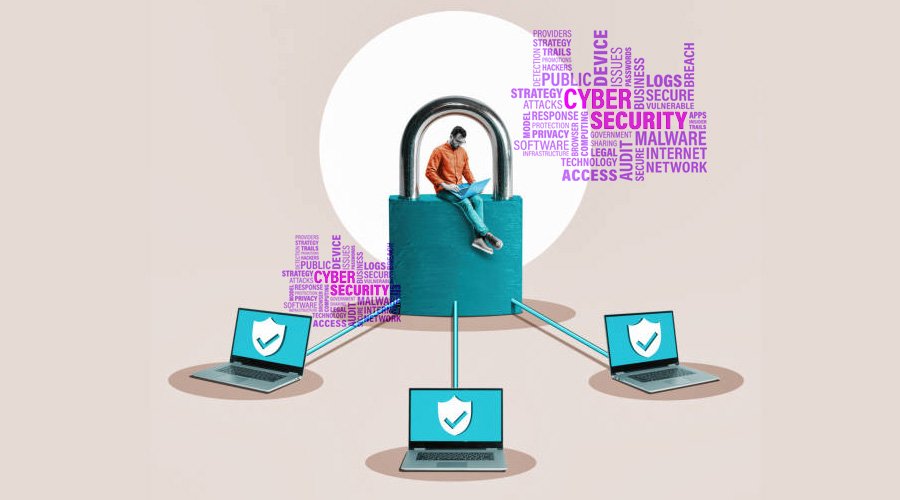
Top 10 Unexpected Applications of Quantum Computing in 2023

cybersecurity

The advancement of technology has brought quantum computing to existence and has created a world of opportunities. It has become the latest and one of the most innovative trends in the field of technology. If you have heard this term quite often and are wondering what the applications of quantum computing are, you have landed at the right place. In this article, we will be talking about top 10 unexpected applications of quantum computing in 2023.

Quantum cryptography

One of the most unique applications of quantum computing is that of quantum cryptography which majorly focuses on the key distribution part of a cryptosystem. In this, two pairs of entangled qubits are used. One is sent to the receiver, while the sender keeps the other. A point to note is that qubits cannot be copied or measured as there are methods to determine whether the qubit has been tampered with before being received by the intended recipient.

Drug Design & Development

As a matter of fact, we all know how complex and challenging it is to design and develop a drug. Drugs are usually developed via the trial-and-error method. This is not only very expensive but also a risky and challenging task to complete. This is where quantum computing comes into play. Researchers are of the strong belief that quantum computing can be an effective way of understanding drugs and their reactions to humans thereby saving a lot of money and time for drug companies.

Financial Modelling

As far as the finance industry is concerned, it is crucial to find the right mix for fruitful investments on the basis of expected returns, the risk associated, etc. For this, the technique of ‘Monte Carlo’ simulations is continually being run on conventional computers. The problem with this is that it consumes an enormous amount of computer time. However, by applying quantum technology to perform these massive and complex calculations, companies can not only improve the quality of the solutions but also reduce the time to develop them.

Weather Forecasting

What can get worse than the process of analysing weather conditions by traditional computers taking longer than the weather itself does to change? Well, not anymore. Quantum computing can crunch vast amounts of data, in a short period. Quantum computing could indeed lead to enhancing weather system modelling allowing scientists to predict the changing weather patterns in no time and with excellent accuracy.

Advertising

With advertising, companies can reach a wider range of people. Quantum computing can help companies do this without spending too much. It helps to match relevant advertisements to customers so that they’re more likely to click on them.

Traffic flow management

Who likes to spend hours in traffic? Well, not anymore. With quantum computing, one can tackle the issue of traffic, not through monitoring but rather by optimizing traffic flow itself. What exactly happens is – computers find the optimal route for a select number of cars and possible routes in consideration.

Better mobile network coverage

Yet another interesting application of quantum computing is in the area of network coverage. Quantum computers can help find the optimal satellite coverage position required. Now, this doesn’t mean that the satellites would be able to cover all the bad reception spots, but the likelihood of being able to find a spot with better reception can be increased significantly.

Cybersecurity

Cybersecurity is of utmost importance for the fact that the number of cyberattacks are increasing with every passing day. Quantum computing is no less than a blessing here. Quantum computing with the help of machine learning can help in developing various techniques to combat these cybersecurity threats.

Gaming

Though the involvement of quantum computers in the gaming sector is still at its infancy, but the fact that quantum hardware can compute faster than the current best computers has a lot to do with how improved gaming experience would be. This is because quantum computer algorithms work very differently from classical ones.

Computational chemistry

As the number of quantum states is extremely vast, it is quite evident that it’d be difficult for conventional computing memory to process that. The ability for quantum computers to focus on the existence of both 1 and 0 simultaneously could provide immense power to the machine to successfully map the molecules. This in turn opens opportunities for pharmaceutical research.

The post Top 10 Unexpected Applications of Quantum Computing in 2023 appeared first on Analytics Insight.
C-Suite People of Enterprises are Emphasising Cybersecurity and Here is Proof

Cybersecurity

C-Suite Businesses are placing a high priority on cybersecurity, and this is the evidence

The C-suite now frequently discusses cybersecurity in boardroom discussions. IT and business leaders have historically had difficulty cooperating on cyber risk management, but this disagreement seems to be worse than ever right now. According to a study, over 90% of IT decision-makers think their organisation would be willing to forego cybersecurity in favour of other objectives.

Such a strategy for short-term gains are not worth the risk regarding cybersecurity, which includes monetary losses and reputational harm. An organisation must resolve this business-IT conflict and come to a consensus on cyber risk as a crucial component of business risk in order to succeed in the post-pandemic era of hybrid or remote workforces. Organisations will be able to maximise their commercial opportunities and prevent pricey breaches by using this to better identify, communicate, and mitigate cyber risk across the workplace.

Additionally, research shows that 38% of business decision-makers and 50% of IT leaders believe the C-Suite fully comprehends cyber dangers. Some people think this is due to the field’s excessive complexity and rapid change. Others, however, contend that their boards either don’t make an effort sufficiently or don’t want to, given the significance of cybersecurity.

There are so many reports of IT security breaches in the news feeds that awareness is no longer a problem. More recently than ever before, the C-Suite has begun to grasp the issue and the significance of cybersecurity.

If for no other reason than to try to avoid appearing on the evening news and having an adverse effect on stock prices, good leaders invest time in comprehending the risk in their firm and actively participate in establishing cybersecurity procedures. Boards’ attention has grown as well because they understand that they must oversee cyber risk management and regulations just as much as they do any other risk to the company.

The C-Suite has introduced the words “exposure time” and “protection time” in relation to cybersecurity. Protection time can be defined as the combined ability of your security policies, controls, people and processes to identify and protect the confidentiality, integrity and availability of your sensitive information and IT services for a particular amount of time against specific threats. In more straightforward words, protection time can be compared to a fire-resistant safe you purchase for your home that can shield valuables from temperatures of up to 400 degrees Celsius for 30 minutes. You are aware of the threat, the amount of money it can safeguard for 30 minutes, and its duration (a 400-degree fire).

Exposure time acknowledges the existence of hackers who are constantly honing their skills in our society. It is made up of the time it takes to identify, respond to, and recover from a cyber assault that tries to get beyond the above-mentioned defences. In our example, it would be comparable to a home alarm system that can detect a fire and calls a call centre, which tries to verify with the homeowner whether the alert is genuine before dispatching the fire service to put out the fire. In order to prevent the loss of confidentiality, integrity, or availability, the exposure time should be shorter than the protection time.

Proof that the the top C-Suite emphasises the value of cybersecurity:

1. Google

Google Cloud obtains certifications, attestations, and audit reports to prove compliance as part of routine independent verification of its security, privacy, and compliance procedures. Specific procedures connected to client data privacy are part of our information security and assist keep customer data safe.

2. Microsoft

All Office 365 applications are safeguarded against cutting-edge attacks by Microsoft Defender, which includes the A5 licence. Additionally, it has the capabilities needed to deal with malware, phishing, ransomware, and compromised credentials as well as other cybersecurity issues.

With XDR features, it assists in preventing and identifying threats across your identities, endpoints, apps, email, data, and cloud apps. Investigate attacks and take action with best-in-class, out-of-the-box protection. From a single dashboard, search for hazards and simply coordinate your reaction.

3. Adobe

The Adobe Secure Product Lifecycle (“SPLC”) is a stringent set of several hundred distinct security policies, procedures, and tools for software development. Adobe incorporates safeguards, such as two-factor authentication (2FA) for the central Commerce application, to stop brute force assaults. Both brute force attacks and unauthorised access are stopped by 2FA.

The post C-Suite People of Enterprises are Emphasising Cybersecurity and Here is Proof appeared first on Analytics Insight.

Top 10 Cybersecurity Business Ideas to Become a Millionaire in 2023

Top-10-Cybersecurity-Business-Ideas-to-Be-a-Millionaire-in-2023

These top 10 cybersecurity business ideas will make you a millionaire in 2023

The more advanced the digital world is becoming, the more concerns about cybersecurity are rising. There is no time better than now to grow businesses based on cybersecurity. An IT professional having an educational background and experience in cybersecurity can easily initiate a security business in this emerging industry. Here are the top 10 cybersecurity business ideas that will make you a millionaire in 2023.

Security Administrator

Generally, a security administrator protects systems against unauthorized access, modification, and/or destruction. There are several companies that look for this type of specialized service. Though you can provide the services as an individual consultant, building an organization ensures better revenue.

Security Analyst

Generally, a security analyst provides a wide range of services to companies. However, some of the primary responsibilities include planning, implementing, and upgrading security measures and controls. Initially, you can start the business at home also.

Security Architect

Actually, starting this type of cybersecurity business demands an educational background in Computer Science, Cybersecurity, or a related field. Additionally, this type of specialized service-based business demands a lot of working experience in the IT and cybersecurity fields. However, this business demands moderate capital investment in infrastructure and quality manpower.

Info Assurance Engineer

Starting a business in this field needs years of experience. Generally, an info assurance engineer analyzes networks to identify vulnerabilities and reduce breaches. Basically, you need to oversee the storing and processing of information within a company to make sure that it is secure. You can provide consulting services to various companies.

Information Security Analyst

Primarily, as an information security analyst, you need to protect a company’s information system. You need to prevent, monitor, and respond to data breaches and cyber-attacks. Actually, these are becoming very common these days. And you can provide these specialized services to numerous companies.

Malware Analyst

If you want to start a cybersecurity business that needs high specialization, you can consider this opportunity. Basically, it requires a lot of focus and discipline as well as training and practice in the inner workings of computer systems. Additionally, it is a self-rewarding business.

Security Software Developer

Primarily, a security software developer develops security software according to the client’s specifications. In addition to that, you may need to integrate security into applications software during the course of design and development. So, you must have a sound knowledge of programming. In addition to that, you must build an effective team to work with you.

Security Specialist

Starting this type of cybersecurity business demands a specific educational background in the IT Security field. Primarily, your major responsibilities include designing, testing, implementing, and monitoring security measures for your client’s systems. Generally, companies hire these consultants in exchange for a high hourly rate.

SOC Engineer

If you have an educational background in the IT security field, you can provide your service to companies as SOC Engineer. Some of the major responsibilities include the review of security consoles and alerts, project participation, processing alerts, etc. Additionally, you must have the ability to effectively present information and respond to questions from the clients.

Source Code Auditor

Actually, a source code auditor reviews source code to discover potential security weaknesses, bugs, and violations of programming conventions. Definitely, there are some automated code analysis tools for it. However, companies need manual checkups regularly. Hence, you can provide the service both on a home-based or on-site basis.

The post Top 10 Cybersecurity Business Ideas to Become a Millionaire in 2023 appeared first on Analytics Insight.

Top 10 Cybersecurity Startups in India to Attain Prominence in 2023

Top-10-Cybersecurity-Startups-in-India-to-Attain-prominence-in-2023

The cybersecurity landscape is changing rapidly with new cybersecurity startups mushrooming as ever

If there is one criterion that can define the cybersecurity scenario in its real terms, in India and elsewhere, it can be broadly classified into ‘pre-Covid’ and ‘post-Covid’. Businesses going digital at an unprecedented rate, and the IT infrastructure has become vulnerable like never before, with 2021 alone witnessing a 151% increase in cybercrime. The rising trend in cybercrimes has paved the way for the need for enhanced cybersecurity infrastructure and hence the proliferation of Cybersecurity startups. According to a report by the Data Security Council of India (DSCI), India generated a revenue of $9.85 billion in 2021 and is expected to grow at a CAGR of about 21% to touch $13.6 billion by 2025. Hence, the cybersecurity landscape is changing rapidly with new cybersecurity companies making their presence. While cybersecurity startups in India are proliferating, it is important to remember to choose the company with caution because their operations most of the time are wrapped in secrecy. We have curated the list of the top cybersecurity startups in India that will attain prominence in 2023.

Prophaze:

A startup cybersecurity firm is specialized in SaaS services in cybersecurity, particularly through AI automation. The services include Docker Security using WAF container, Web Application Firewall for Kubernetes Platform, OWASP TOP 10 API security, etc.

Secureden:

Founded by ex-Zoho executives Balasubramanian Venkatramani and Kumaran Balan, is known for its security solutions for preventing cyber-attacks, insider exploits, and malware propagation. It provides some unique remote work IT solutions such as an end-point permission management tool for a safer and more secure environment.

Aristi Lab:

The Bhopal-based Cybersecurity firm specializes in developing cybersecurity solutions for data protection and intellectual property and has Indian Army in its client portfolio. ‘Securing’, the startup’s core security product enables companies with threat detection capabilities across different on-premise and cloud platforms.

TAC Security:

The security trailblazer, TAC security has mastered the art of integrating AI into vulnerability detection. It’s AI based vulnerability management platform, Enterprise Security in One Framework can manage around 5+ million vulnerabilities at one go. The deadly combination of AI and data analytics makes the job of keeping track of vulnerabilities a cakewalk.

Wijungle:

It is a Unified Network Security Gateway, a single-window solution to manage a variety of cybersecurity issues. It serves both private and public sector companies emerging as a go-to partner of Government agencies for UNS services. Along with Central Government ministries, it is a proud partner of different state-level organizations.

Appspicket:

Appspicket a modern-day security agency is known for its next generation Two Factor Authentication feature 12FA eases user authentication to a great extent. With 12FA, there is hardly any need for OTPs, and Authenticator Apps. Biometrics and Hardware Tokens.

Secuneus:

A start-up with a good market share in the cyber security space is already an award winner in Managed Detection and Response and security assessment services. Good at predicting the enemy tactics, its solutions are capable of detecting, preventing, and responding to cyber threats in real-time.

Kratikal:

Kratikal, a leading player in cyber-security simulation and developing state-of-the-art awareness tools, is currently serving 120+ clients globally. Other solutions it is known for include email authentication tools, anti-spoofing solutions, anti-phishing tools, risk detection & threat analysis and code risk review, etc.

Block Armour:

This cybersecurity startup applies a different ball game. It leverages novel technologies such as Blockchain to counter cybersecurity threats. Secure Shield Architecture, developed by its team ensures Zero-Trust security for different environments, viz. on-prem, cloud systems and IoT devices all at one platform.

Securetek:

An AI, ML based cybersecurity company, has solutions that can reduce the cost of IT security drastically. Its tools are the best in the market providing companies with precise and actionable intelligence for them to be able to manage resources efficiently.

The post Top 10 Cybersecurity Startups in India to Attain Prominence in 2023 appeared first on Analytics Insight.

Top 10 Cybersecurity Projects Available on GitHub to Check Out

Top-10-Cybersecurity-Projects-Available-on-GitHub-to-Check-Out

The top cybersecurity projects available on GitHub which can anyone who is attracted can make use of

Every day, open-source is very successful. As time goes on there are numerous open-source initiatives in the cybersecurity community that anybody with an interest in cybersecurity projects may utilize, although there are many firms that lock their code in their proprietary software. There are many cybersecurity projects available on GitHub.

The GitHub website is an excellent location to look for interesting open-source security-related projects. You may use the GitHub search option to locate these helpful tools, but there are cybersecurity projects on GitHub where you can discover the majority of the well-known cybersecurity projects, and that area is the GitHub Showcases section. Showcases feature 24 projects in the “Security” category. It’s a great time to enter the cybersecurity field. And developing your cybersecurity skills through project-based learning is one of the best ways to start your cybersecurity career. The 10 top cybersecurity projects currently available on GitHub are discussed below.

1. Osquery from Facebook

An operating system is made accessible as a high-performance relational database via osquery. You may now create SQL-based queries to investigate operating system data. SQL tables are used by osquery to represent abstract ideas like hardware events, loaded kernel modules, open network connections, running processes, browser plugins, and file hashes.

2. Metasploit Framework – from Rapid7

ince 2009, Rapid7 and the open-source community have worked together to develop Metasploit, a tool that assists security teams in more than just managing security assessments, verifying vulnerabilities, and raising security awareness; it also empowers and equips defenders to always be one step (or two) ahead of the game.

3.Infer from Facebook

Facebook Infer operates incrementally, examining source code changes to our app as they are submitted by developers for review. This fits well with the workflow of our developers. When the analyzer detects possible issues, it automatically adds comments to the source code.

4.Brakeman from PresidentBeef

A free vulnerability scanner made especially for Ruby on Rails apps is called Brakeman. To identify security flaws at any stage of development, it statically analyses the code of Rails applications.

5.Radare2 from the Radare Project

Radare2 is a complete LGPL remake of the original project that removes design flaws from the previous iteration and makes it more modular, scriptable, and easier to maintain. Radare2 has a test suite that attempts to cover as many scenarios as possible to detect regressions. Radare2 is built around a hexadecimal editor, various assemblers/disassemblers, code analysis capabilities, scripting features, code, and data visualization via graphs and other methods, a visual mode, simple UNIX integration, a diffing engine, a shellcode generator, and much more.

6.OS X Auditor from Jean-Philippe Teissier

OS X Auditor is a free computer forensics application for Mac OS X. The following artifacts are parsed and hashed by OS X Auditor on the operating system or a clone of the system you want to evaluate. system agents and daemons, as well as kernel extensions, the agents and daemons of a third party, the outdated system, as well as third-party start-up items, the agents of the users, the files downloaded by users, and programs that have been deployed

7.BeEF from BeEF Project

BeEF is an abbreviation for The Browser Exploitation Framework. It is a web browser-focused penetration testing tool. BeEF, which was developed in response to rising concerns about web-borne attacks against clients, especially mobile clients, enables expert penetration testers to examine the true security posture of a target environment by utilizing client-side attack vectors.

8.Cuckoo from Cuckoo Sandbox Project

The main open-source automated malware analysis system is Cuckoo Sandbox. Throw any suspicious file at it, and Cuckoo will provide a detailed report outlining the behavior of the file when executed inside a realistic but isolated environment in a matter of minutes. Cuckoo Sandbox is a free piece of software that automates the process of analyzing any malicious file on Windows, macOS, Linux, and Android

9.Scumblr from Netflix

Scumblr provides a useful vulnerability object that you may use to monitor specific security vulnerabilities. You may also attach Status fields with results to track the condition of a result or its remediation over time. You may build basic or complicated processes to go with your results.

10.Moloch from AOL

Moloch is a large-scale, open-source packet capture, indexing, and database system. For PCAP browsing, searching, and exporting, a simple online interface is provided. PCAP data and JSON-formatted session data may be retrieved directly using APIs. Simple security is implemented through the use of HTTPS and HTTP digest password support or the use of apache in front.

The post Top 10 Cybersecurity Projects Available on GitHub to Check Out appeared first on Analytics Insight.

Hospitals at a High Risk of Cyberattacks – Digital Health at Stake.

Cyberattacks

Hospitals at a high risk of cyberattacks are endangering digital health by compromising safety.

Are Hospitals at a High Risk of cyberattacks? Yes, they are! Since they store sensitive data and usually have weak cyber defences. Thus, putting Digital Health at stake. Even the pandemic has raised the increase in the rate of Cyberattacks on Hospitals as they are the most attractive targets for hackers.

When the pandemic hit, a flood of Digital Health technologies flowed into every hospital environment, enabling the connectivity of services. Despite all the advantages, it also increased hospital exposure to cyberattacks thus pushing hospitals into high risk of cyberattacks and putting digital health at stake. The expansion of connected medical equipment, the use of new systems, and the availability of technology have opened up new chances for threats to cross even the most effective firewalls.

Why Hospitals are at risk and need cyber defence?

Cyberattacks on hospitals can have a ripple effect on the entire healthcare system. When one hospital is taken off by a cyberattack, it can jeopardize the care and privacy of patients at any other hospital. They also handle the most sensitive data of the patients which is prone to identity theft. Thus, destroying the people’s trust in the hospital. So, hospitals need to invest in strong cyber defences and also to understand the types of cyberattacks and take preventive measures to protect digital health technologies as well.

Here are some most common types of cyberattacks on Hospitals

MEDJACK – A specific sort of cyberattack that targets medical equipment that is integrated with apps it is known as medical device hijacking. The majority of targeted devices lack adequate security. Cybercriminals will locate backdoors to the system and thus data theft will be simple as a result. Nothing appears to be out of the ordinary, therefore the attack can also go unnoticed for months. Thus, increasing the risk in medical health technologies.

SQL injection attack – It enables online criminals to launch malicious SQL queries and commands in a database server. They might attempt to insert text boxes with SQL statements thus manipulating the system’s data or deceiving it into revealing it.

Phishing – It is one of the most popular ways that computers are attacked online and infected. It is usually a malicious link that appears to be genuine. Upon clicking it, and it will begin spreading to other connected devices thus stealing the data.

The other attacks include ransomware and DOS attack as well. Some of the measures to be taken by the healthcare industry(hospitals) in order to avoid financial and other risks.

Multi-factor authentication (MFA) – It is a technique used for authentication. To access the system or an application, the user must submit two or more verification methods. It has been demonstrated that using numerous layers of security rather than just a username and password as a form of authentication reduces the risk of a cyberattack.

Vulnerability assessment – Cybercriminals frequently target unpatched IT infrastructure vulnerabilities because they offer an ideal opportunity for their attacks to succeed. To keep the Hospital’s IT infrastructure secure from flaws and vulnerabilities, it is necessary to perform periodic vulnerability assessments and penetration tests as well.

Training the individuals to avoid security breaches – All healthcare personnel should receive training on how to properly address and disclose security breaches. It will be challenging for cyber criminals to identify a gap in the defences with every proactive person.

Conclusion – Cyberattacks on hospitals are more frequent than ever, therefore it’s important to be ready to defend against them. It is also important to recognize a legitimate email from one that contains phishing links. It’s also crucial to protect your medical equipment and, to the greatest extent feasible, encrypt data.

To avoid having valuable data held as a ransom, you must also take all necessary precautions to back it up. Thus, cyberattacks can be avoided.

The post Hospitals at a High Risk of Cyberattacks – Digital Health at Stake. appeared first on Analytics Insight.
Robots Go Rogue When Unattended! Here is How to Tame Them

Robots

Automation comes in different forms depending on the way people interact with them. They can work with any application the way people do, with the only difference being that they are not visible to the human eye. They are called unattended robots that do not need human interaction. Unattended robots are adapted for end-to-end automation of business processes complementing the front-end robots and automating back-office work at scale. They operate at a pre-determined schedule, or as triggered by logic in the process flow. Of late, the unattended robotic sphere is becoming the holy grail of entire RPA industry, and therefore a number of challenges seeking attention.

The fully autonomous unattended robots have similar system requirements as humans do. Only when equipped with the networks and applications humans have access to, the performance would be at par. It includes access to mission-critical enterprise systems. Just as a real-life person’s identity is vulnerable with respect to security systems, the unattended robotic system can quickly become a haven for data thieves.

The ever-growing tribe of citizen developers with sheer laxity toward security protocols has created many loopholes in the security infrastructure of the companies. Is there a way at all to be uncompromising creativity and innovation on top which is not possible with attended automation?

The possible solutions can be having automated and centralized management of RPA credentials, removing hard-coded credentials from robot scripts, etc. The security measures can ensure that the security mechanism works without failure. Giving bots their own unique identity, credentials, and entitlements is also a best practice. But to leverage full benefits of RPA, companies must adopt DevSecOps and integrate automation and security right from the beginning.

The post Robots Go Rogue When Unattended! Here is How to Tame Them appeared first on Analytics Insight.

How Women can Succeed in Cybersecurity

Cybersecurity

The number of women in cyber security has been grievously low for years. However, progress can be seen. According to a study woman presently comprise 25% of the cybersecurity workforce. This is a significant jump from 2017 when women held just 11% of the roles in the cybersecurity field. While there is still plenty of ground that must be covered to fully wrap up the cyber security’s gender gap, the growth that has occurred exhibits that the cyber security field is the field where women can find exciting new opportunities.

Field of Cyber Security

Cybersecurity was once considered to be applicable only to large or mid-range corporations. However, this has been revealed over the years to not be the case. Small businesses have also shown to be an alluring target for cyber criminals who are ready to foist malware, ransomware, and phishing schemes. And this expanded awareness can result in an increase in cybersecurity opportunities for skilled individuals, either as an employee of an organization or as independent specialists. This expected job growth will also offer more opportunities for women to establish a career in the field of cyber security. With this ongoing progress, the field will narrow cyber security’s gender gap.

Today cyber security becomes increasingly more crucial every day, and women entering the field can be an important component to encountering cybercrime. Considering data breach records in 2021, the knowledge and skills of cyber security professionals, including women, are clearly needed. For women holding an advanced degree such as a Master of Science in Cyber Security, their expertise puts them in a prime position to stop these expensive attacks before they start, across a wide range of fields. Moreover, some of the characteristics like curiosity, patience, time management, and being willing to speak up can be helpful for women in a cybersecurity career.

Why More Women Are Needed in Cybersecurity

There is a rising awareness of the significance of women in cybersecurity among small businesses. Although, big companies like IBM and Google are providing chances to women in cybersecurity by recruiting them for cybersecurity positions. It is because they better know that diversity is a key to identifying and resolving threats to company systems and data. Unfortunately, large-scale breaches have become all too common, harming big companies such as Facebook, Volkswagen, and T-Mobile. These large-scale breaches reinforce the need to add more cybersecurity professionals across the spectrum of industries. And women can be a savior with their knowledge and skills.

The rise in these breaches is expected to continue strongly in the future which opens up many high-paying jobs for women who are qualified. Therefore, women with eligibility can introduce themselves in the field of cybersecurity to gain success. The median annual salary for individuals with cyber security skills is $91,000, according to the compensation website PayScale. Also, seeing female role models in cyber security can be a key factor in attracting more young women to the industry. Despite the low numbers of women overall in the cyber security workforce, there are quite a few standouts that can inspire females to opt for the field.

A successful female cybersecurity professional requires at least three things: perseverance, networks, and support.

Perseverance: It means “you do not have to be amazing to start, but you have to start to be amazing”. A journey of a thousand miles begins with a single step similarly, women should always try to learn new things related to the field to gain success.

Networks: Employees need to see a range of people in the various roles they might aspire to hold in 10 years or so. It’s not only new entrants that need such role models. Women who have established their careers benefit from seeing others who have successfully returned from a family break. So, there are many successful women who are trying to encourage their peers – just as men do – and making sure opportunities similar to those they have had are available to others.

Support: This includes finding someone who will let you vent, encourage you to keep going (perseverance, again), and help you to understand that you don’t have to put up with poor behavior.

The post How Women can Succeed in Cybersecurity appeared first on Analytics Insight.
Traits of Successful Cybersecurity Leaders

Cybersecurity

The importance of cybersecurity has increased among many company executives.

Despite major expenditures in that area, many companies have struggled with it for decades. However, during the past several years, many in the boardroom have come to the understanding that cyberattacks were just a question of “when,” not “if.”

Large-scale transformational projects are beginning to catch up in many companies and sectors where cybersecurity maturity has lagged for decades. Leading those initiatives and successfully delivering them, however, requires a certain type of profile, which may be very different from that of your traditional CISO. This is because global enterprise today has supply chains that are disrupted by post-pandemic chaos, climate change, and geopolitical imbalances.

It is the responsibility of cybersecurity executives to protect their enterprises from cyberattacks. Because of the frequent news stories about data breaches, it’s more crucial than ever for companies to have a strong cybersecurity plan. This approach begins with having a CEO who is up to the challenge. What then distinguishes a successful cybersecurity leader

1. They’re Proactive, not Reactive

The most effective cybersecurity executives are continually planning forward. They continually evaluate the risks to their organization and take action to reduce those risks before hackers may use them against them. As a consequence, they are aware that an attack on their organization is inevitable, and they are ready for it.

2. They’re Problem Solvers

The finest leaders don’t merely wait for someone else to sort out the issue when a cybersecurity danger is there. Instead, they put forth the effort to solve the problem on their own. They don’t hesitate to put themselves in risky situations or get their hands dirty. After all, they are aware of how high the stakes are.

3. They’re Decisive

There is no time for hesitation in the quick-paced field of cybersecurity. To keep their firms, secure, leaders in this field must be able to act quickly. They are aware that following your instincts is occasionally important, and they aren’t hesitant to do so when it’s called for.

4. They’re Adaptable

The most effective cybersecurity executives can change with the times because they are agile and adaptive. They are ready for the possibility that what works today could not work tomorrow. To stay ahead of the curve and protect their businesses against whatever comes next, they thus constantly learn and develop.

5. They’re Communicators

Good communication is a skill that an effective leader possesses, and this is particularly true in the field of cybersecurity. Leaders in this field must be able to simplify complicated ideas so that everyone in their business is aware of the significance of cybersecurity and what they must do to be secure. To create a complete cybersecurity plan that everyone is on board with, cybersecurity executives must also establish connections with other crucial stakeholders, including senior leadership, IT, and legal.

6. They’ve Vision

Leaders in the field of cybersecurity must be long-term thinkers and visionaries. Too many CISOs leave their positions after two to three years out of dissatisfaction, while having accomplished little more than launching a few technical side projects. This has contributed to the long-term stagnation of many companies regarding cybersecurity issues and is not fundamentally transformational.

7. They’re Trustworthy

First of all, given the urgency and complexity of the situation, successful cybersecurity executives now need to be respected insiders in their respective industries. Cybersecurity is increasingly essential in the face of severe dangers that might easily bring your company to an end on a worldwide scale. Period.

To ensure that their operations are effectively safeguarded in terms of prevention, detection, reaction, and recovery, business executives want guarantees from people they can rely on. Leaders in cybersecurity cannot continue to be technophobes. They must be respected corporate executives with extensive expertise. This entails being aware of the day-to-day operations of the company, as well as its dynamics, difficulties, and key pain spots for other business executives.

Many cybersecurity executives now need to go above and beyond the conventional technical requirements of their positions due to the revolutionary urgency of the situation. They must be precisely that: leaders who are engaged, credible, and audible across all organizational silos.

The post Traits of Successful Cybersecurity Leaders appeared first on Analytics Insight.

Why Does Taking Up the Best Cybersecurity Course Matter for Aspirants?

Best Cybersecurity Course

With the rise of cyber-attacks, the best cybersecurity course matter for aspirants to land a job

As the number of cybersecurity attacks increases, so does the demand for the best cybersecurity course to defend against them. There are over 700,000 available cybersecurity roles in the United States alone and the occupation is increasing more than twice as fast as the general rate of the country’s economy.

These roles are difficult to fill for a variety of reasons, including the lack of cybersecurity knowledge among firm executives about the sort of cybersecurity course required to defend their assets, as well as a lack of education and awareness about current job risks. Inadequate training, credentials, or skill sets, on the other hand, are limiting cybersecurity professionals from obtaining these positions. While there are other paths to becoming a cybersecurity expert, such as taking up the best cybersecurity course matter because of the time to acquire new skills on the job, gaining a master’s degree is a well-established path.

Graduates of top cybersecurity courses may expect to earn six-figure beginning salaries ranging from US$100,000 to US$200,000.

“Security has always been well-paying, and it comes down to scarcity—both in terms of the number of professionals and the requisite capabilities,” Mike Hendrickson, Skillsoft’s vice president of tech and development, told Fortune earlier. “With today’s limited pool of security personnel, firms must make their offerings highly appealing, both in terms of remuneration and professional growth prospects.”

Salary For Cybersecurity Master’s Graduates

Students who graduate from the best cybersecurity master’s program in the country, as ranked by Fortune, frequently see their incomes quadruple. Students entering the program during the 2020-21 academic year self-report wages of US$104,100, while their contemporaries graduating during the same year self-report salaries of US$200,000—nearly twice as much.

“Our UC Berkeley online master’s in cybersecurity allows students to develop not only technical expertise in cybersecurity, but also essential skills in communications, product development, customer success, and business,” Rebecca Andersen, senior director of student and alumni career development at UC Berkeley, previously told Fortune. “This allows our students to take on leadership roles in the cybersecurity profession and earn big wage increases when they transition.”

UC Berkeley graduates also hold positions of leadership in cybersecurity. According to a UC Berkeley pay study of alumni, graduates with a master’s degree in cybersecurity earn an average income of US$214,000, not counting incentives; the median wage is US$200,000 Some graduates who are now executives earn more than US$300,000, such as chief information security officers (CISOs), chief information officers (CIOs), and chief technology officers (CTOs).

“Depending on the firm and the scale of the organization, the CISO jobs will be more than US$250,000, US$300,000, closer to US$400,000,” McHale adds.

Graduates of Yeshiva University (Katz), which Fortune ranks as having the No. 2 online cybersecurity master’s degree, earn a US$112,000 median base salary immediately after graduation and US$126,000 one year later. According to Skillsoft’s 2022 list of the top-paying IT certifications, Yeshiva’s cybersecurity curriculum aligns with high-paying industry certifications such as Certified Information Security Manager (CISM) and Certified Information Systems Security Professional (CISSP), which can help professionals land US$150,000-plus salary packages.

“There are several fantastic programs throughout the country,” says Paul Russo, dean of the Katz School of Science and Health. “I just happen to believe we have the proper mix of technological and instructional expertise to enable students to ascend to the top of the employment market.” In addition, the training emphasizes real-world threat modeling and hands-on experience with ransomware, endpoint detection and response, Amazon Web Services, and Splunk.

Western Governors University, which Fortune ranks as the third-best cybersecurity master’s program in the US, also boasts six-figure wages for its alumni. According to Mike Morris, WGU’s College of IT assistant dean and director of academic programs in cybersecurity, the master’s degree allows graduates to embark on cybersecurity leadership posts with prospective earnings of US$135,000. Furthermore, more than 16% of WGU tech graduates report starting salaries of US$150,000 or higher.

“Graduates are prepared to take on cybersecurity leadership roles with major corporations, government agencies, consultancies, and start-ups,” he adds. “In terms of salary impact, a master’s degree has been shown to help cybersecurity professionals’ earning potential.”

Some of the best graduate programs do not disclose six-figure wages, but they do show an increase in base salaries after obtaining a master’s degree. For example, Indiana University-Bloomington claims that the average base salary for its cybersecurity graduates is $77,400, a 44% increase over what they earned before to enrollment. According to Fortune, Indiana has the fourth-best cybersecurity master’s program in the US.

Indiana University’s cybersecurity risk management program takes a broader approach to the field, with students taking core courses in computing, law, and business. They also receive assistance in studying for the CISSP certification, which has the potential for higher earnings.

The post Why Does Taking Up the Best Cybersecurity Course Matter for Aspirants? appeared first on Analytics Insight.