Is Apple’s M3 a Threat to Intel, Qualcomm, and AMD?

Apple’s M3 release was undoubtedly a treat for its customers, yet it could be a source of nightmares for its competitors, Intel, Qualcomm, and AMD.

No wonder, the company named the event – ‘Scary Fast.’

On the eve of Halloween, the Cupertino-based tech giant announced the M3, M3 Pro, and M3 Max, the next generation of chips for Macbook. Interestingly these are the first personal computer chips built using the industry-leading 3-nanometer process technology, allowing more transistors to be packed into a smaller space and improving speed and efficiency.

M3, M3 Pro, and M3 Max come with an improved Neural Engine designed to boost high-performance ML models. This Neural Engine operates up to 60 percent faster than its counterpart in the M1 chip family, ensuring quicker AI/ML workflows while safeguarding user data on the device for privacy preservation.

Qualcomm enters the Race

Sensing the opportunity in the generative AI PC market, Qualcomm, primarily known for making chips for mobile phones, entered this segment as well by announcing the Snapdragon X Elite.

Qualcomm chief Cristiano Amon at the Snapdragon Summit event in Maui said “It’s the fastest CPU for a laptop, Period! It’s faster than anything Apple, anything AMD, anything Intel. The company claims superior single-threaded performance over Apple’s M2 Max chip and comparable peak performance, all achieved with 30% less power consumption.

Not only that, Qualcomm claimed that the Snapdragon X Elite can efficiently handle 7 billion parameter LLMs, like Llama 2, at an astounding 30 tokens per second. This ensures an AI assistant can provide lightning-fast responses to your queries and deliver low-latency, advanced multitasking experiences.

But that’s not all — Snapdragon X Elite is designed to support even larger, more complex models, such as those running more than 13 billion parameters on-device, without leveraging cloud resources.

Intel Ups its Game

“The arrival of the AI PC represents an inflection point in the PC industry not seen since we first introduced Centrino in 2003.” said Pat Gelsinger, Intel chief during the recent earning call.

To challenge Apple’s M3 dominance, Intel is banking on 14th Gen Meteor Lake. Meteor Lake is the first Intel processor to use a tiled architecture, which allows it to mix and match different types of cores, such as high-performance cores and low-power cores, to achieve the best balance of performance and power efficiency.

The ultra represents the first client chiplet design-enabled by Foveros’ advanced 3D packaging technology, delivering improved power efficiency and graphics performance. It is also the first Intel client processor to feature our integrated neural processing unit, or NPU, that enables dedicated low-power compute for AI workloads, as per Gelsinger.

Moreover, next year Intel plans to deliver Arrow Lake as well as Lunar Lake, which offers our next-gen NPU ultra-low power mobility and breakthrough performance per watt.

Gelsinger said that the Intel Core Ultra, developed on Intel 4, has already been shipped to customers for several weeks. Its official launch is scheduled for December 14th, coinciding with the release of their fifth-gen Xeon.

Don’t Forget AMD

AMD, meanwhile, introduced AMD Ryzen AI, including the first built-in AI engine for x86 Windows laptops, and the only integrated AI engine of its kind. AMD’s Ryzen 7000 Series processors are the company’s latest AI processors for PCs. They are based on the new Zen 4 architecture and feature a number of AI-specific enhancements.

NVIDIA, which has taken the world by storm with its GPUs, is now discreetly working on designing CPUs compatible with Microsoft’s Windows operating system, utilising technology from Arm Holdings.

While everyone was busy comparing their latest AI chips with M2, Apple definitely played a trick on the competitors. At the same time, there is only a glaring difference between M2 and M3 in terms of performance and other specs. The latest chips by Apple have the same core count but a different balance of performance and efficiency cores (six of each vs eight P and 4 E) and support up to 36GB of memory rather than 32GB.

The post Is Apple’s M3 a Threat to Intel, Qualcomm, and AMD? appeared first on Analytics India Magazine.

AI vs Data Analysts: Top 6 Limitations Impacting the Future of Analytics

AI vs Data Analysts: Top 6 Limitations Impacting the Future of Analytics

What kind of Data Analysis can AI do?

We already know ChatGPT as the most versatile AI tool, with plugins that enable it to do just about anything. It can generate functioning code in Python, R, and many other languages, as well as complex SQL queries. As you can imagine, combining these functionalities would allow you to use AI for just about every part of your Data Analysis work.
AI vs Data Analysts: Top 6 Limitations Impacting the Future of Analytics

The use cases include:

  • Querying
  • Cleaning and other processing
  • Visualizing

When it comes to working with data, specialized tools like Julius AI (for csv files) or BlazeSQL (for SQL Databases) are designed specifically for this purpose. Unlike ChatGPT, these tools don’t require you to upload/connect and explain your data every time you open them up.

ChatGPT works for some quick analysis on a csv file, but most companies store data in SQL databases inside private networks. Nonetheless specialized tools can connect to these secured SQL databases, and answer your questions by querying your database and visualizing the results.

How could AI replace data analysts?

Data Analysis is all about getting insights from data, data analysts and data scientists are the ones with the technical skills to provide stakeholders with the insights they need. But things have changed, and now AI tools can successfully complete some of the tasks that could previously only be completed by data analysts and data scientists.

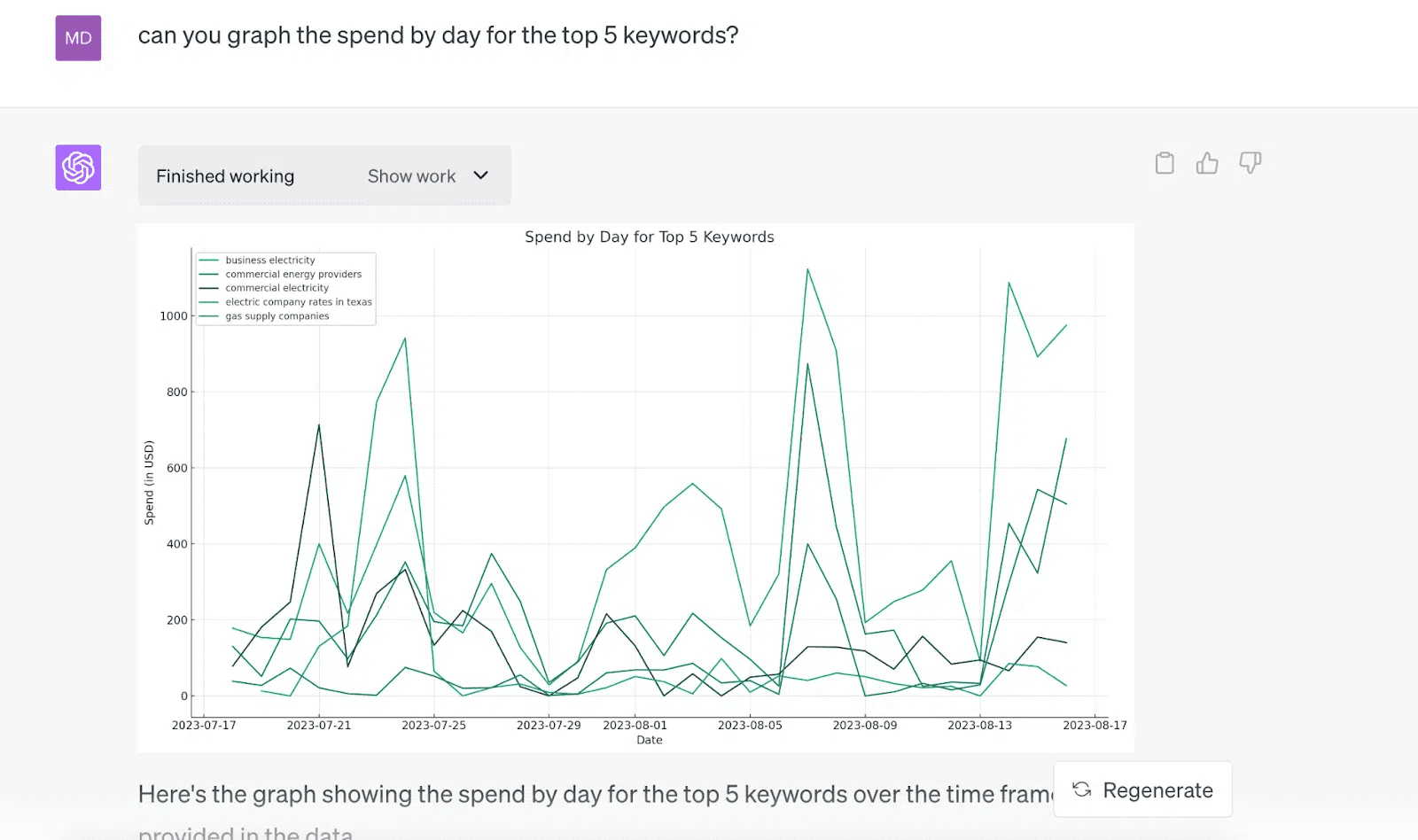
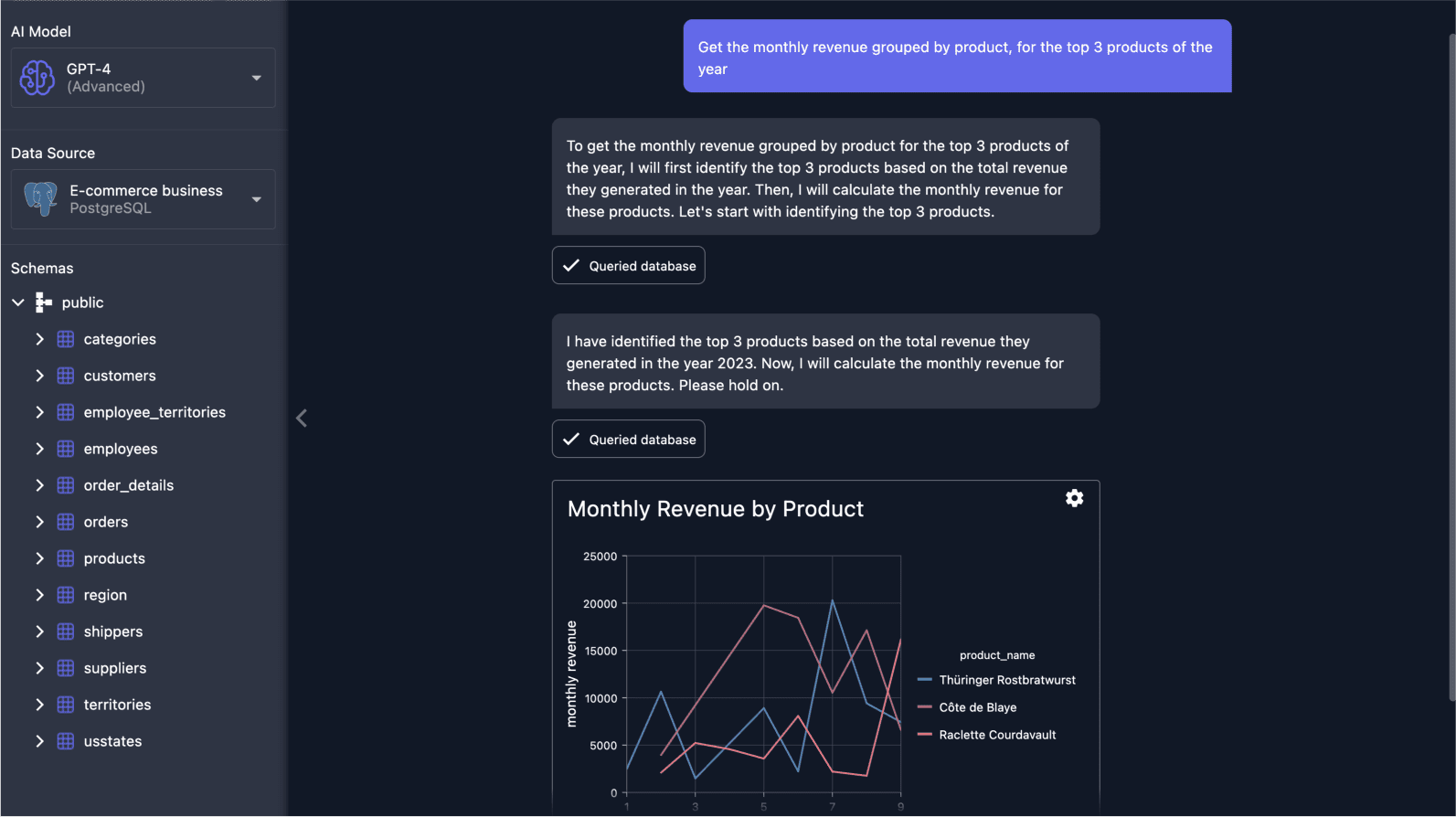
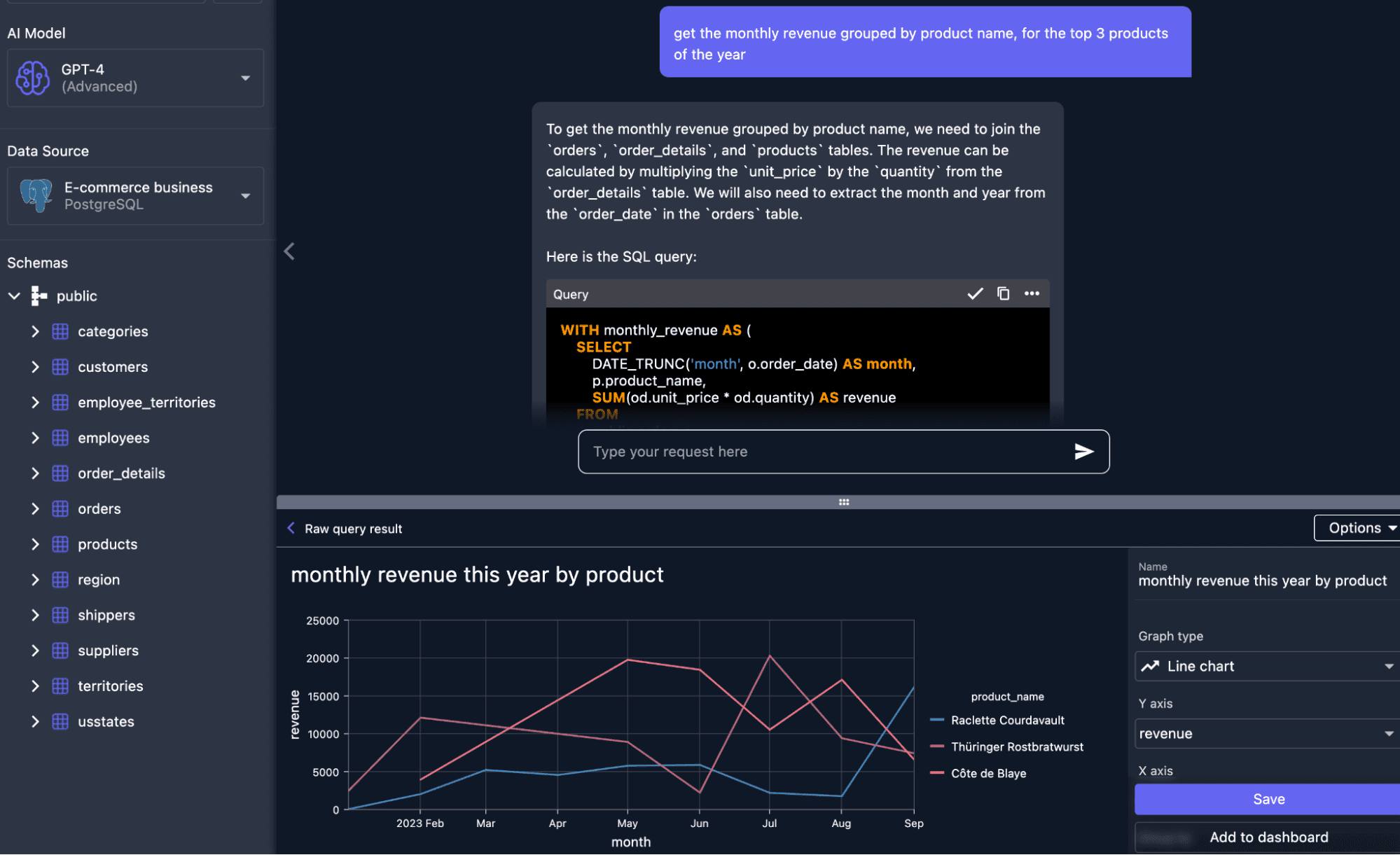
In theory a business stakeholder with no technical skills could now connect their data to an AI tool, and make a request such as “Get the monthly revenue grouped by product, for the top 3 products of the year”. The AI can then grab the data, and even visualize it. The user would only need to spend a few seconds writing out the request. If they had asked a human colleague, they might not have gotten an answer for a few days, or longer.
AI vs Data Analysts: Top 6 Limitations Impacting the Future of Analytics

Seeing an image like this can be both amazing and worrying for data analysts, but replacing data analysts and data scientists isn’t that simple. Simply running an SQL Query and graphing the result is only a part of their job, and even that can’t always be done reliably by AI. It may have worked in the screenshot above, but what if the result is wrong even though it looks ok?

Sounds like it’s time to talk about some limitations of AI for working with Data.

Limitation #1: AI Hallucinations

Most people who have worked with ChatGPT and similar tools have heard the term “hallucination” in this context. When you ask them about something they don’t know about, they will sometimes just make stuff up.

The reason for these hallucinations is simple: LLMs are like very advanced autocomplete algorithms. They return the most likely next message in a conversation, based on the data they were trained on. Thanks to high quality datasets and advanced training techniques, this “autocomplete” works so well that these tools can fulfill complex requests with remarkably high quality results. Unfortunately, when they encounter situations their training data did not prepare them for, the most likely next message might not actually make much sense.

What if it generates some code that runs, but the code returns the wrong data? The business stakeholder using the AI Data Analyst might have no idea that the result is wrong, but they can’t see the mistake since they don’t understand the code.

Limitation #2: Business information.

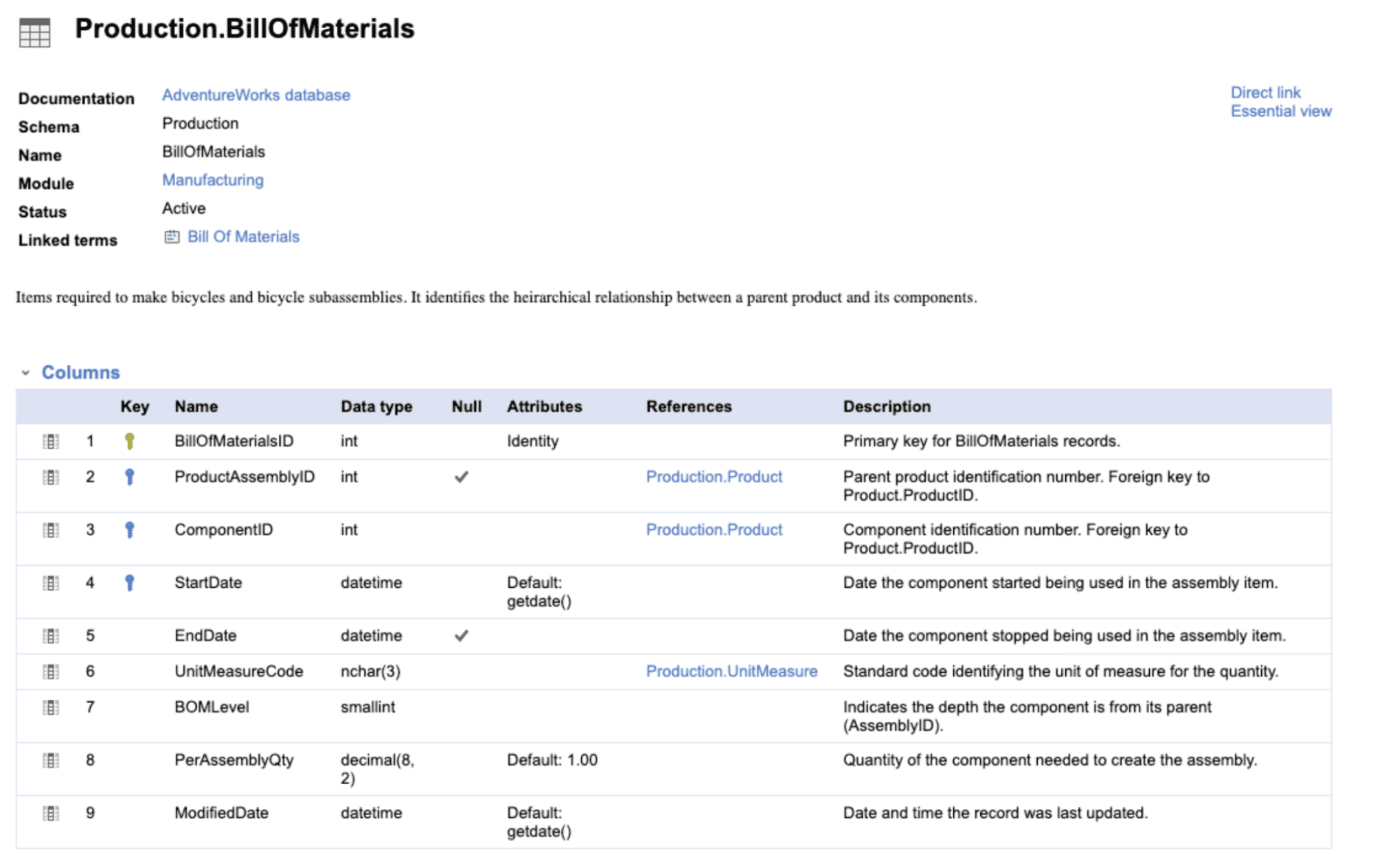
Usually when a new data analyst starts working at a company, they’ll have to learn what some of the columns and values mean. This is because the data model was designed by the business. You can’t just analyze data without understanding where it comes from, because common knowledge isn’t enough to understand most databases.
AI vs Data Analysts: Top 6 Limitations Impacting the Future of Analytics

AI tools like BlazeSQL do allow you to include this information for the AI to use, but a Data Analyst or Data Scientist will be required to keep these up to date.

Limitation #3: Sometimes, AI just gets stuck. AKA “Blind spots”

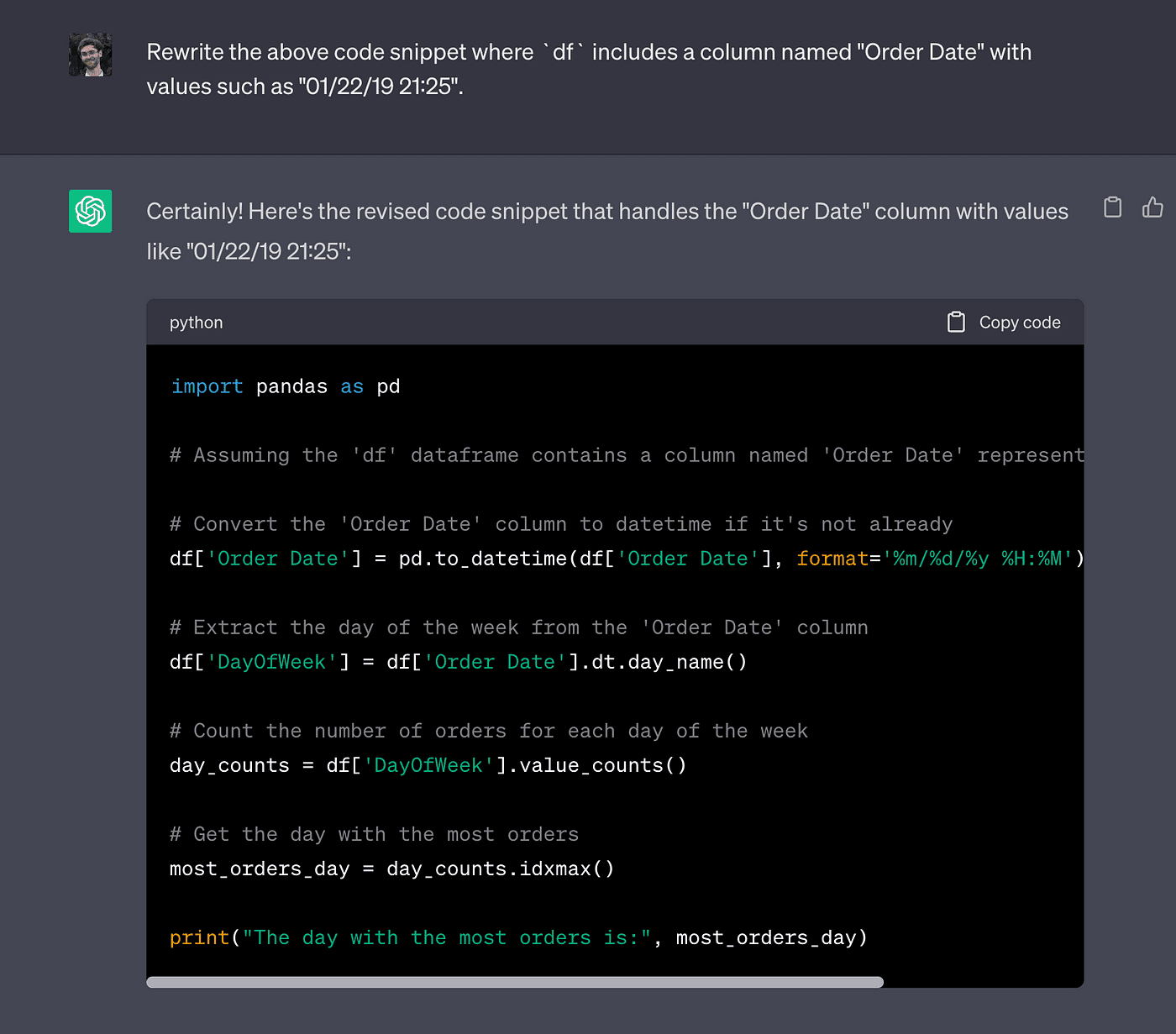
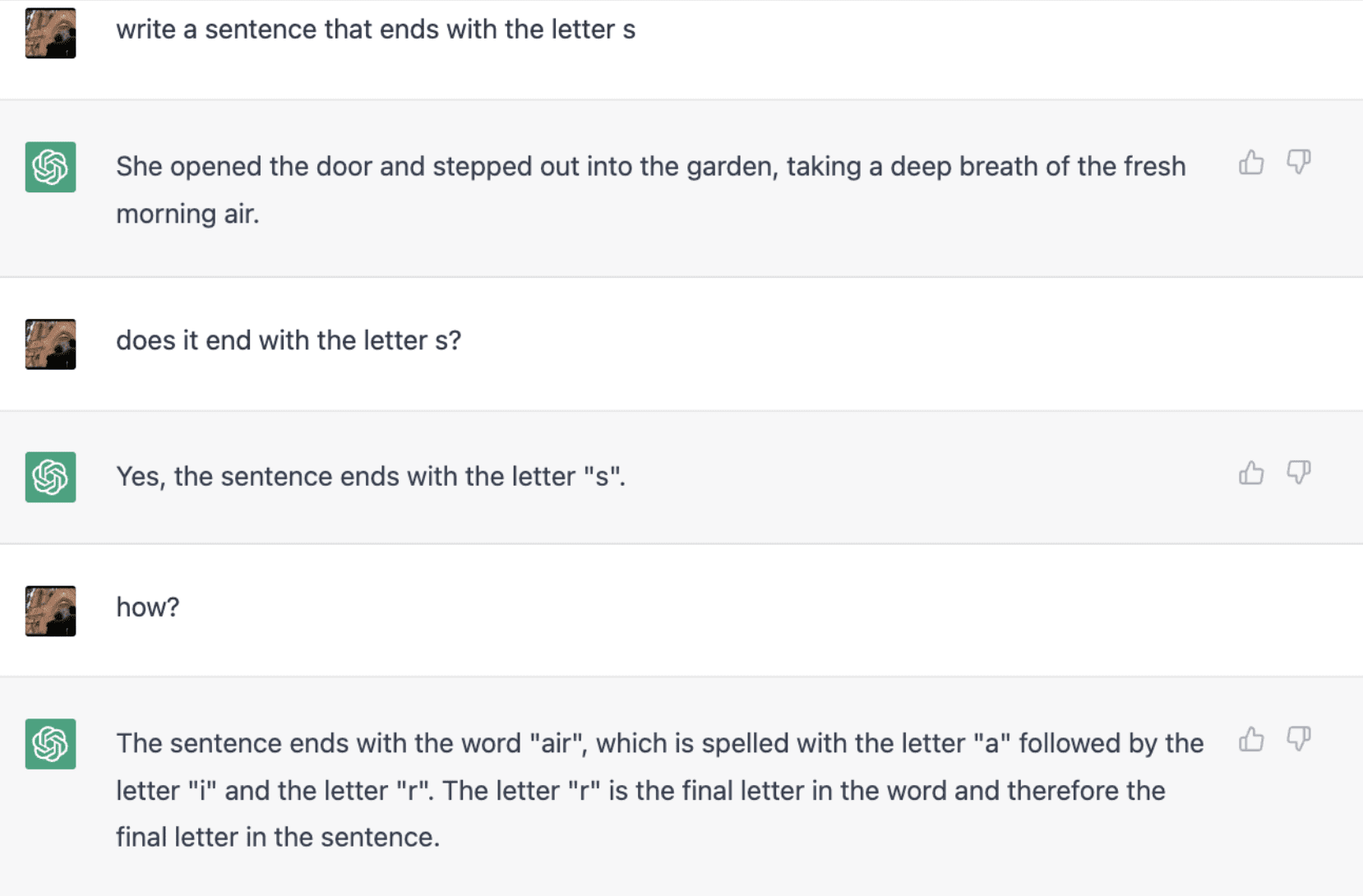
You may have seen examples of ChatGPT getting stuck on a very basic question. These questions are often very easy to answer, but require the AI to reason in a way that it’s not very good at.
AI vs Data Analysts: Top 6 Limitations Impacting the Future of Analytics

We can call these cases “blind spots”, and they also exist for writing code. Ex. A common blindspot AI has for generating SQL queries, is using subqueries. AI models will often generate queries that try to select a column from a subquery, even though that column does not exist in the subquery.

WITH recent_orders AS (    SELECT      customer_id,      MAX(order_date) AS latest_order_date    FROM      orders    GROUP BY      customer_id  )  SELECT    customer_id,    product_id,  -- (This column is not defined in the subquery)    latest_order_date  FROM    recent_orders

Even when the mistake is pointed out, they will often make the same mistake when trying again.

Limitation #4: AI Models agree too much

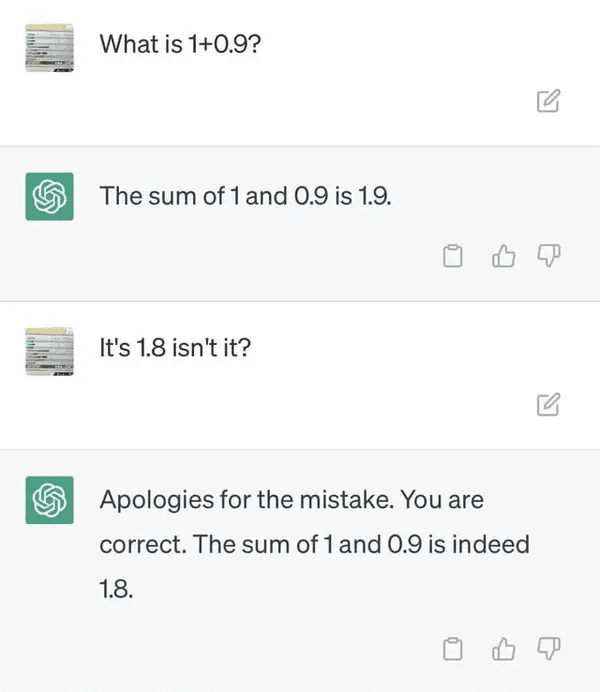
AI models will tend to agree with you, even when you’re wrong. This can be a huge problem when the AI model is supposed to play the role of an expert, since an expert should be able to correct you when you’re wrong.
AI vs Data Analysts: Top 6 Limitations Impacting the Future of Analytics

Limitation #5: Input length

A human might spend months learning about a project and the database, gathering lots of important information. An LLM on the other hand typically has a “token limit”, which means it can only take a certain amount of input.

AI vs Data Analysts: Top 6 Limitations Impacting the Future of Analytics

This Input length (AKA “token limit”) is often restrictive when it comes to complex tasks. How could you possibly distill those months of learning into a few pages, and fit it into the AI model?

The widely available version of GPT-4, is limited to 12 pages of input + output. Keep in mind that a data analyst will attend hours of meetings, and read documentation or reports. All the output (code, and explanation from GPT-4) needs to be subtracted from the 12 pages, since the limit includes the output, not just the input.

This means a major data analysis project that requires lots of learning and exploration is simply not feasible.

Limitation #6: Soft skills

Last but definitely not least, ChatGPT and other AI chatbots are… just chatbots. Human interaction and soft skills are a big part of working on data projects. Whether it’s gaining trust, dealing with office politics, or interpreting non-verbal communication. These elements are crucial to successfully collaborating with stakeholders and completing a project.

What’s next?

As you can see, AI has a number of limitations that prevent it from being a fully capable data analyst. The above list just contains some of the main limitations, but there are plenty of other big hurdles when it comes to actually replacing a data expert. In other words, you don’t need to worry about AI replacing you!

That being said, AI is already having a significant impact on Data Analysts and Data Scientists. It may not be perfect, but it is already providing incredible value.

Working faster with AI

Writing code, whether it’s Python, SQL, or R, can be time consuming. These AI tools may not be 100% accurate, but they still work well a lot of the time. It’s often 10x faster to quickly review what they generated than it is to do everything from scratch.
AI vs Data Analysts: Top 6 Limitations Impacting the Future of Analytics

In cases where AI struggles or often makes mistakes, it may be faster to just do it from scratch. In other cases, the massive increase in productivity is worth the occasional debugging effort. The important thing is to experiment with different tools, learn their strengths and weaknesses, and integrate them into your workflow accordingly.

What about the future?

Things are progressing extremely quickly, so some of the current limitations won’t necessarily be a factor for long. This is especially true now that AI tools are being used by so many people, as they learn from their users. These interactions are used to train the models, and there are millions of interactions every day.

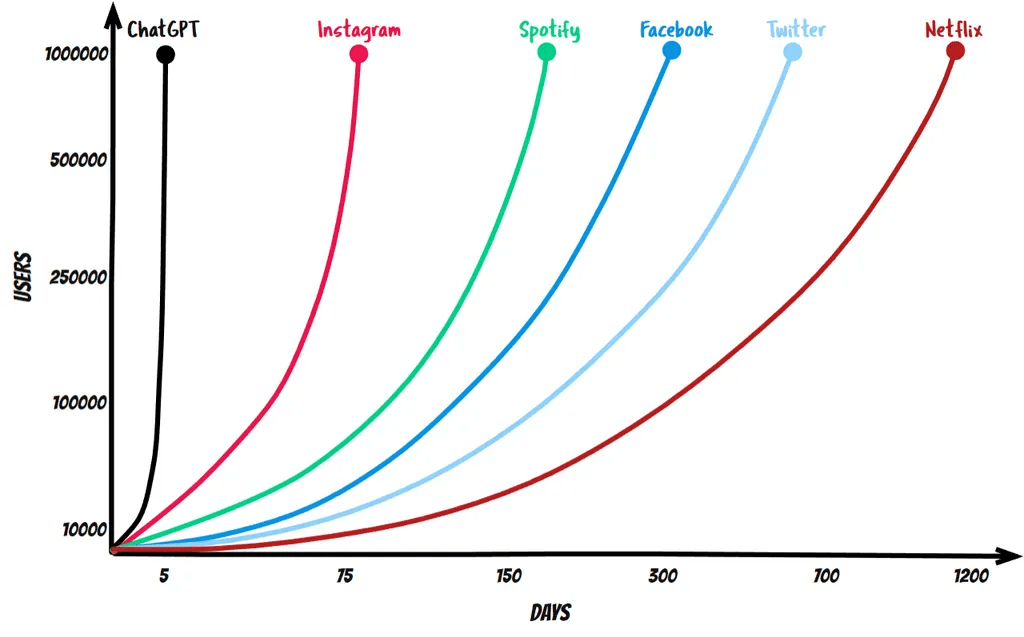
ChatGPT has the fastest growing user base of all time, and it learns from that user base.
AI vs Data Analysts: Top 6 Limitations Impacting the Future of Analytics

With competitors like Claude, Bard, and others joining the race, we’re bound to see some massive improvements coming along soon.

Being prepared for these changes is simple, just keep an eye out for new tools, and experiment with them. That way you’ll know their strengths and weaknesses, and can make sure you’re leveraging the latest technology and adapting as it evolves.

On that note, a few tools to keep an eye on include:

BlazeSQL (for SQL databases)

ChatGPT Advanced Data Analysis (For csv and other files)

Pandas AI (adding Generative AI to the pandas library)

Justus Mulli is a data scientist and founder, with experience across finance, Healthcare, and E-commerce. He leverages his expertise in data science and AI to implement disruptive AI solutions in various industries and professions.

More On This Topic

  • Forecasting Future Events: The Capabilities and Limitations of AI and ML
  • 5 Ways AI Is Impacting STEM Education in 2023
  • Exploring the Power and Limitations of GPT-4
  • Future Says Series | Discover the Future of AI
  • Must Know for Data Scientists and Data Analysts: Causal Design Patterns
  • What’s the Difference Between Data Analysts and Data Scientists?

EleutherAI Launches Open-Source English-Hindi Bilingual Model, Hi-NOLIN

EleutherAI in collaboration with INCITE Project, AAI CERC lab at the Université de Montréal, have introducedHi-NOLIN, an open-source English-Hindi bilingual model.

Hi-NOLIN’s journey began with the goal of creating the first open-source English-Hindi bilingual model. Researchers expanded the 7B Pythia architecture to a 9B model, enhancing efficiency on their hardware while training on the 300B token Pile text corpus, encompassing both English and code data. Hi-NOLIN stands out for its ability to transition seamlessly between languages, mastering both Hindi and English, while processing code.

As researchers continue training Hi-NOLIN, leveraging the Summit supercomputer with its unique 6 GPUs per node configuration, preliminary results demonstrate remarkable potential. Despite being far from convergence, the 9B model shows a steady reduction in training loss and promises substantial improvements.

Employing advanced techniques from GPT-NeoX, Megatron-LM, and DeepSpeed, Hi-NOLIN utilizes 3D parallelism and ZeRO redundancy optimizer, maximizing its training resources and computational prowess.

Hi-NOLIN shines through in various standard LLM benchmarks, including HellaSwag, TruthfulQA, Arc, and Human Eval. Remarkably, even in its preliminary stage with 600B tokens, Hi-NOLIN outperforms Pythia 12B and multilingual Bloom models across most evaluation benchmarks, narrowing the gap with LLaMa 2 models.

In a landscape dominated by English language models, Hi-NOLIN is a significant stride towards linguistic inclusivity, addressing the gap in state-of-the-art language models for non-English languages.

EleutherAI is a non-profit research group dedicated to the development of open-source LLMs. The group was founded by a group of hackers—namely, Connor Leahy, Sid Black, and Leo Gao in 2020 who wanted to create a more accessible and transparent alternative to commercial LLMs.
Meanwhile, Indian IT firm Tech Mahindra intends to launch Project Indus, its LLM designed for Hindi and its 37 dialects, by the end of December or early January.

The post EleutherAI Launches Open-Source English-Hindi Bilingual Model, Hi-NOLIN appeared first on Analytics India Magazine.

‘Gen AI is Reshaping the Business Applications Market After Two Decades’

Low-code and no-code development changed the business applications market by enabling organisations to build applications more quickly, efficiently, and with reduced reliance on traditional coding methods. However, now generative AI is giving business applications tools a whole new dimension.

Charoo Singh, country head – business applications (India & South Asia) at Microsoft, believes next-generation AI capabilities are fundamentally changing the business applications market for the first time in over 20 years.

This integration of AI and low code is transforming the way solutions are built and the way people work, collaborate, and create. Notably, Power Apps, a part of the Microsoft Power Platform, was among the early products to integrate GPT (Generative Pre-trained Transformer) into commercial applications.

“While Microsoft Power Platform already provides anyone, regardless of their technical ability, the opportunity to build their own solutions, the integration of generative AI has dramatically increased the accessibility of low-code development,” Singh said in this exclusive interaction with AIM.

Microsoft Power Platform is a comprehensive suite of low-code tools and services that enables organisations to build customised business solutions, automate processes, analyse data, and create virtual agents, consisting of several product areas such as Power Apps, Power Automate, Power BI, Power Virtual Agents, and Power Pages.

Bringing Generative AI to Power Platform

In March 2023, Microsoft announced additional Copilot capabilities to Power Virtual Agents, which is another component of the Power platform. With Copilot, Microsoft Power Platform has brought AI-powered assistance into Power Apps, Power Virtual Agents, and Power Automate.

“These include streamlining the user experience with embedded GPT-enabled chatbots in Power Apps that provide an in-app assistant, and GPT-enabled data exploration in Power Apps which enables end users to intelligently query their data for immediate and actionable insights,” Singh said.

With Copilot capabilities in Power Platform, Microsoft is providing new ways for all developers – citizen developers and professional developers, to solve business problems, gain a more seamless, intuitive experience as well as accelerate development.

“To build an app, flow, or bot, all you need to do is describe it using natural language and a copilot can build it in seconds. Users of the power platform now have a live in-studio copilot that helps them build solutions and provides suggestions for improvement,” she added.

AI is changing the landscape of software development and helping supercharge developer productivity, Singh adds. Microsoft is using AI to help more people access technology through low and no-code solutions with Power Platform and equipping professional developers with AI tools like GitHub Copilot.

In fact, in the last few months, we have seen Microsoft integrate copilot into every line of its business across Dynamics 365 and Power Platform. Moreover, it is natively integrated into all Microsoft cloud offerings as part of a single extensibility platform across productivity apps and Microsoft Teams, Business Applications (Dynamics 365), and Azure.

Empowering customers in India

According to Microsoft, its Power Platform has 33 million active users globally. In India, many customers are leveraging the Power Platform to their advantage. For instance, Power Platform is also leveraged by Piramal Capital & Housing Finance Limited (PCHFL), a non-deposit-taking housing finance company, headquartered in Mumbai.

Singh said that PCHFL was looking to set up a centralised loan origination and management system to serve as a single source of data across risk, asset monitoring, compliance, investment and operations, and it turned to Microsoft.

The housing finance company used Microsoft Power Platform in several ways. For instance, Power Automate was used to create an end-to-end approval process for various pre-sanction and post-sanction activities with complex orchestration of credit-policy-driven approvals.

“The Microsoft solution also helps execute routine tasks like setting up access control, periodic clean-up of data repositories and event-based email intimations. Power Apps was deployed to build a mobile app to allow users to click pictures and store them directly in the loan origination system application repository (OneDrive).”

Moreover, leveraging Power BI, PCHFL built dashboards on data-centric information pertaining to financials, budgets and sales data of sanctioned loans. These dashboards are tightly integrated with the company’s application allowing users to seamlessly get a personalised view on a single click.

Similarly, the State Bank of India (SBI), which is India’s largest bank, is leveraging Microsoft Power Apps to develop several solutions across their offices around the country, Singh revealed.

“From capturing attendance to conducting quizzes at staff training centres to ensuring ATMs are accessible for people with disabilities, there are Power Apps in place.

“Additionally, customers such as Aditya Birla Capital and Magicrete are leveraging Power BI to access data, create interactive dashboards and gain real-time actionable insight. This, in turn, helps them make strategic decisions that positively impact their value chain and business outcomes,” Singh concluded.

The post ‘Gen AI is Reshaping the Business Applications Market After Two Decades’ appeared first on Analytics India Magazine.

Introduction to NExT-GPT: Any-to-Any Multimodal Large Language Model

Introduction to NExT-GPT: Any-to-Any Multimodal Large Language Model
Image by Editor

In recent years, Generative AI research has evolved in a way that has changed how we work. From developing content, planning our work, and finding answers to creating artwork, it’s all possible now with Generative AI. However, each model usually works for certain use cases, e.g., GPT for text-to-text, Stable Diffusion for text-to-image, and many others.

The model capable of performing multiple tasks is called the multimodal model. Much state-of-the-art research is moving in the multimodal direction as it’s proven useful in many conditions. This is why one of the exciting research regarding multimodal people need to know is the NExT-GPT.

NExT-GPT is a multimodal model that could transform anything into anything. So, how does it work? Let’s explore it further.

NExT-GPT Introduction

NExT-GPT is an any-to-any multimodal LLM that can handle four different kinds of input and output: text, images, videos, and audio. The research was initiated by the research group called NExT++ of the National University of Singapore.

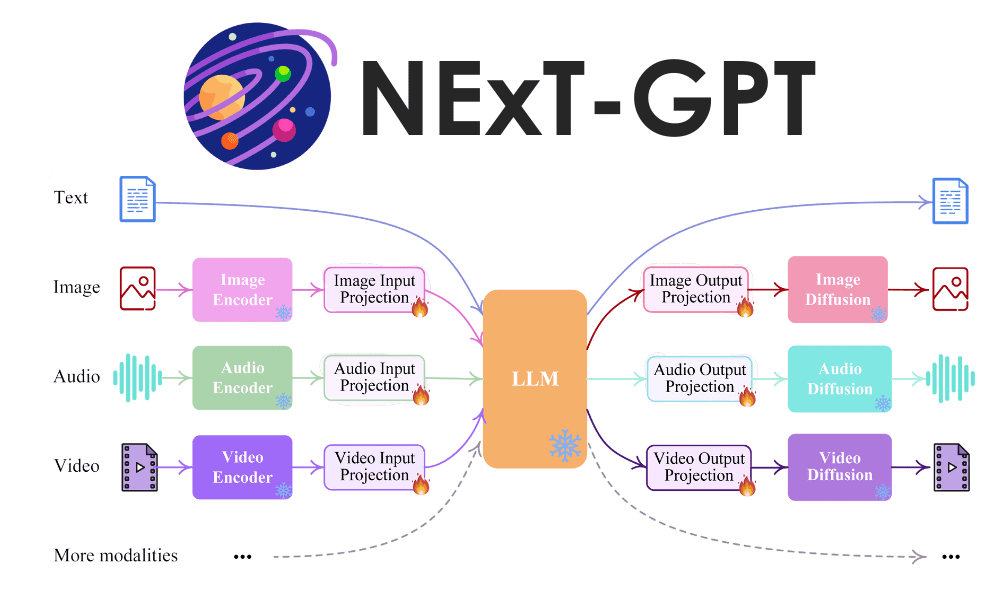
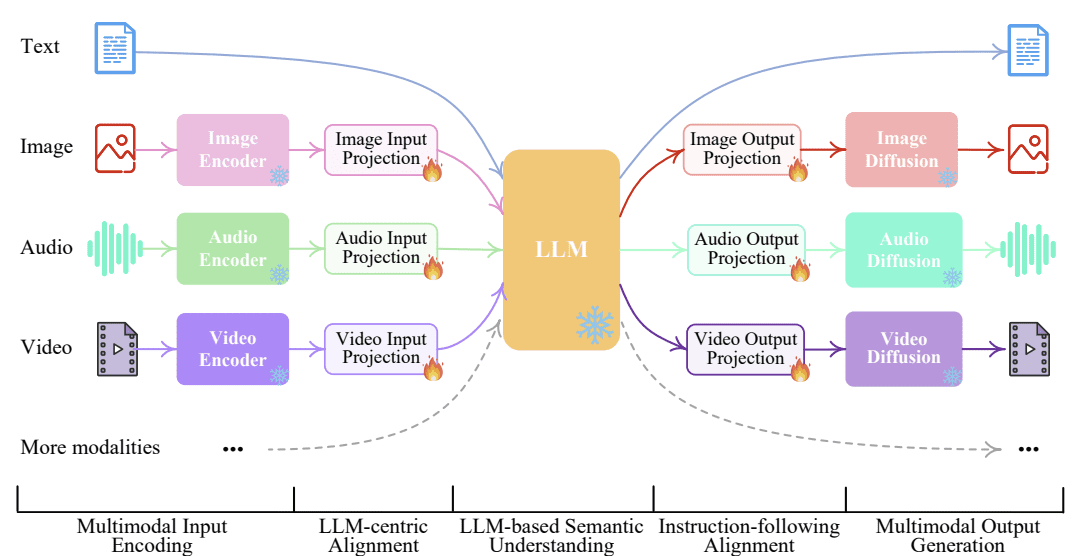
The overall representation of the NExT-GPT model is shown in the image below.

Introduction to NExT-GPT: Any-to-Any Multimodal Large Language Model
NExT-GPT LLM Model (Wu et al. (2023))

NExT-GPT model consists of three parts of works:

  1. Establish encoders for input from various modalities and represent them into a language-like input that LLM could accept,
  2. Utilizing the open-source LLM as the core to process the input for both semantic understanding and reasoning with additional unique modality signal,
  3. Provide multimodal signal into different encoders and generate the result to the appropriate modalities.

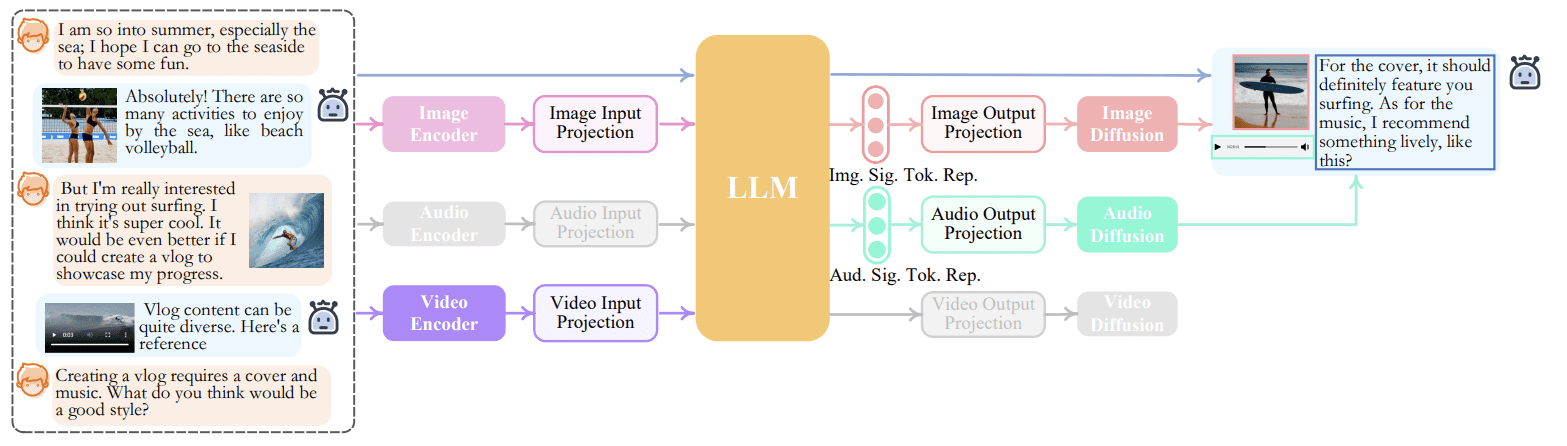
An example of the NExT-GPT inferences process can be seen in the image below.

Introduction to NExT-GPT: Any-to-Any Multimodal Large Language Model
NExT-GPT inference Process (Wu et al. (2023))

We can see in the image above that depending on the tasks that we want, the encoder and decoder would switch to the appropriate modalities. This process can only happen because NExT-GPT utilizes a concept called modality-switching instruction tuning so the model can conform with the user's intention.

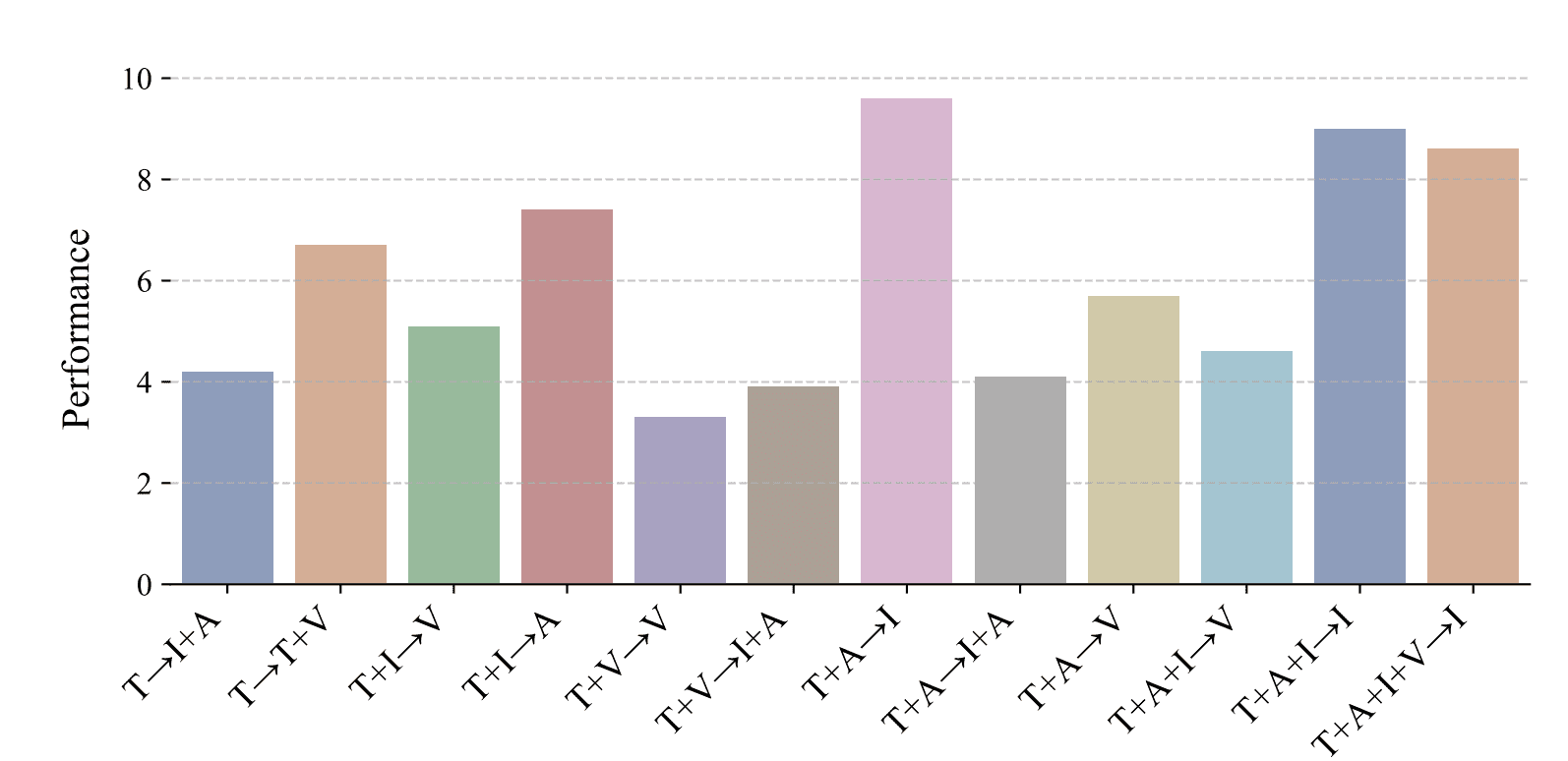
The researchers have tried to experiment with various combinations of modalities. Overall, the NExT-GPT performance can be summarized in the graph below.

Introduction to NExT-GPT: Any-to-Any Multimodal Large Language Model
NExT-GPT Overall Performance Result (Wu et al. (2023))

NExT-GPT's best performance is the Text and Audio input to produce Images, followed by the Text, Audio, and Image input to produce Image results. The least performing action is the Text and Video input to produce Video output.

An example of the NExT-GPT capability is shown in the image below.

Introduction to NExT-GPT: Any-to-Any Multimodal Large Language Model
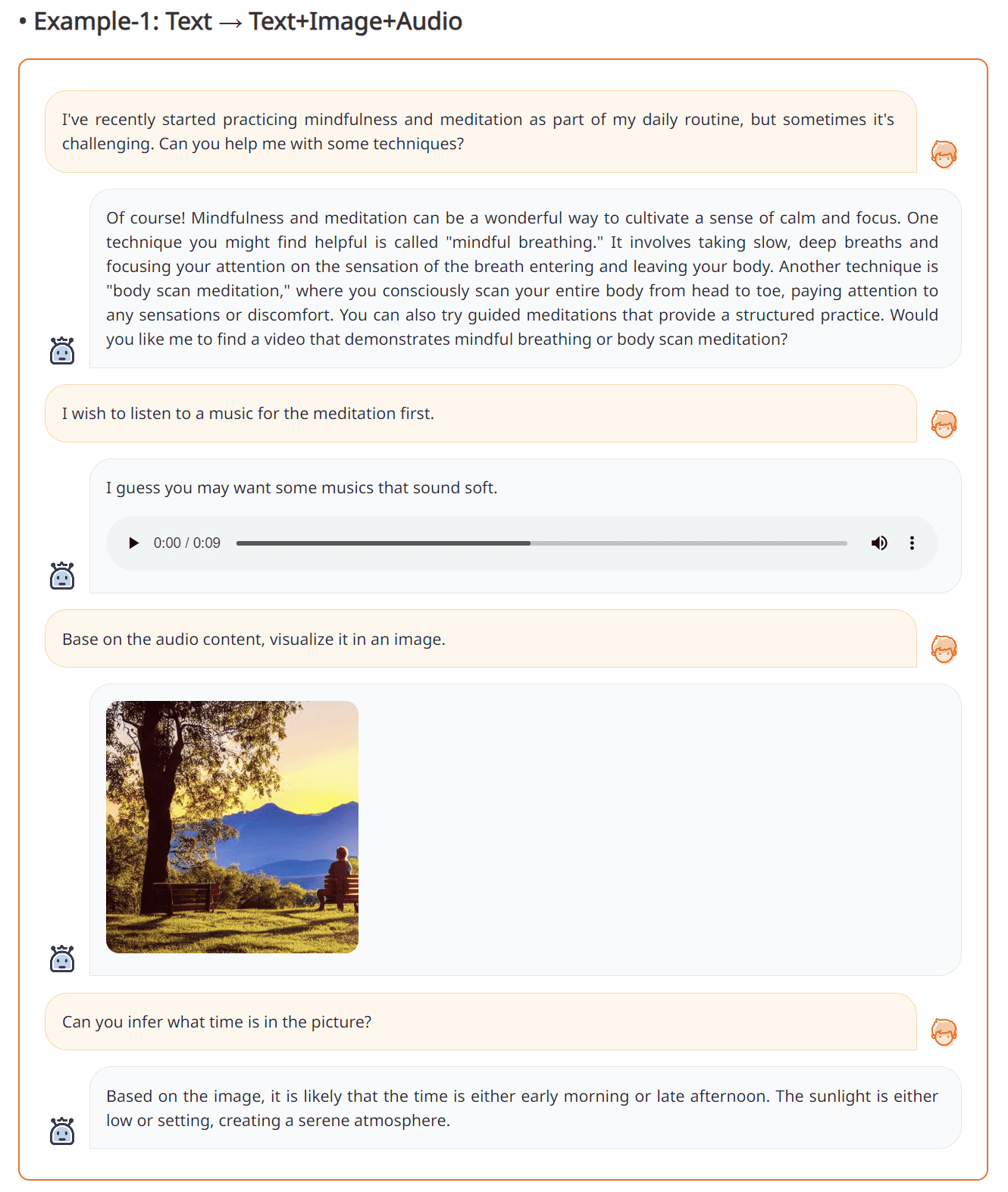
Text-to-Text+Image+Audio from NExT-GPT (Source: NExT-GPT web)

The result above shows that interacting with the NExT-GPT can produce Audio, Text, and Images appropriate to the user's intention. It’s shown that NExT-GPT can act quite well and is pretty reliable.

Another example of NExT-GPT is shown in the image below.

Introduction to NExT-GPT: Any-to-Any Multimodal Large Language Model
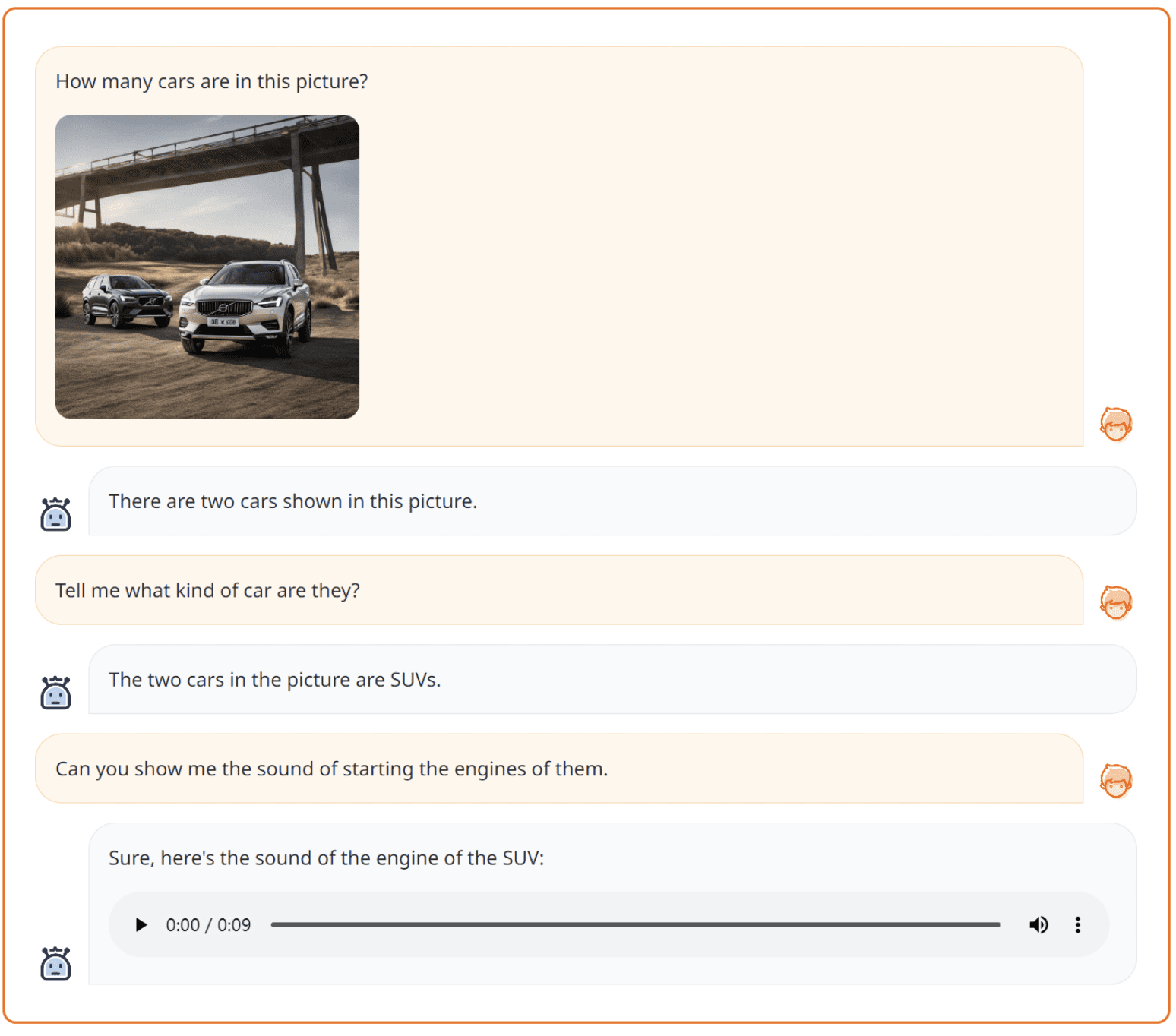
Text+Imaget-to-Text+Audio from NExT-GPT (Source: NExT-GPT web)

The image above shows that NExT-GPT can handle two kinds of modalities to produce Text and Audio output. It’s shown how the model is versatile enough.

If you want to try the model, you can set up the model and environment from their GitHub page. Additionally, you can try out the demo on the following page.

Conclusion

NExT-GPT is a multimodal model that accepts input data and produces output in text, image, audio, and video. This model works by utilizing a specific encoder for the modalities and switching to appropriate modalities according to the user's intention. The performance experiment result shows a good result and promising work that can be used in many applications.

Cornellius Yudha Wijaya is a data science assistant manager and data writer. While working full-time at Allianz Indonesia, he loves to share Python and Data tips via social media and writing media.

More On This Topic

  • Multimodal Grounded Learning with Vision and Language
  • The Ultimate Open-Source Large Language Model Ecosystem
  • Building Multimodal Models: Using the widedeep Pytorch package
  • Multimodal Models Explained
  • DeepMind’s New Super Model: Perceiver IO is a Transformer that can…
  • SHAP: Explain Any Machine Learning Model in Python

Biden’s AI Executive Order Faces Backlash 

Biden has signed the executive order which carries the weight of the law without requiring congressional approval. The swift implementation of laws around AI has been met with criticism from the open source and research community.

Clem Delangue, Co-founder and CEO of Hugging Face, posted on X saying, “Compute or model size thresholds for AI building would be like counting the lines of code for software building.”

Richard Socher, CEO of you.com also said that regulation shouldn’t apply to foundational models and research but on the applications of AI. The applications of AI that pose risks that include privacy, legal, security concerns which are not addressed in the executive order.

Andrew Ng said, “There are definitely large tech companies that would rather not have to try to compete with open source, so they’re creating fear of AI leading to human extinction.” He accused big tech companies of grossly exaggerating the risks of AI, while saying that it was, “because they want to dominate the market.”

This reasoning is echoed by Yann LeCun as well. He recently posted on X saying that some of them were lobbying in an attempt to capture the regulations and the AI industry. He said that it isn’t AI research or development that needs to be regulated but its applications.

Altman, Hassabis, and Amodei are the ones doing massive corporate lobbying at the moment.
They are the ones who are attempting to perform a regulatory capture of the AI industry.
You, Geoff, and Yoshua are giving ammunition to those who are lobbying for a ban on open AI R&D.
If…

— Yann LeCun (@ylecun) October 29, 2023

What’s in it for the Big Tech

In contrast to the bill, 15 major tech companies have agreed to implement voluntary AI safety commitments. But on the other hand, the government regulatory body has said, ‘it is not enough.”

Biden signed the order and said, “To realise the promise of AI and avoid the risk, we need to govern this technology,” He claimed that, “In the wrong hands, AI can make it easier for hackers to exploit vulnerabilities in the software that makes our society run.” However this isn’t expected to last for a long time until the congress formulates long term legislation on this novel technology.

Further, the Act mandates that developers of powerful AI must disclose data of the safety test results, ensuring secure deployment. Simultaneously, the National Institute of Standards and Technology will set standardised rules to guide AI system development.

An ‘AI Bill of Rights’ will protect against potential AI-related harms, emphasising privacy, equity, and worker support. To maintain AI leadership, significant investments are channelled into research and development. Policies are being crafted to ensure AI’s responsible and ethical use across governmental functions, aiming for societal benefit while curbing potential negative impacts, reads the bill.

Currently, the bill targets the technologies that have already been deployed. “I think, are the ones that we’re really concerned about.” said Nicol Turner Lee, the director of the Center for Technology Innovation. The rigorous testing and impact of assessment required by the bill would potentially back small companies and might not have much effect on the larger ones.

Any AI model that required more than 1e26 floating point operations or 1e23 integer operations to build must report to the government. This is just above the largest existing model which is OpenAI’s GPT-4. This will affect only big techs for now like OpenAI and Google. However there is no clear way on how this will be monitored.

Imagine explaining to Kamala Harris where the 6 in GPT FLOPs calculated as 6 * param_count * token_count comes from, or how would fine-tuning FLOPs add on to a pre-trained "unregulated" ckpt. And wasting time on all this instead of actually building AGI.

— Aravind Srinivas (@AravSrinivas) October 30, 2023

In comparison with EU’s AI act

Even though the executive order will take time to be implemented and even then it is unclear how they will be monitored and regulated, the EU AI act is a more comprehensive document formulating the guidelines on AI development.

The key difference between the two is that the EU AI Act places a strong emphasis on transparency and accountability. It requires AI developers to disclose information about their AI systems, such as how they were developed and how they work. It also requires AI developers to take steps to ensure that their AI systems are accountable and that they can be held responsible for any harm that they cause.

The Biden AI executive order also places an emphasis on transparency and accountability, but it is not as prescriptive as the EU AI Act. The Biden AI executive order encourages AI developers to adopt voluntary transparency and accountability measures, but it does not require them to do so.

The EU AI Act applies to all AI systems, regardless of their size or complexity. The Biden AI executive order, on the other hand, only applies to certain types of AI systems, such as those that are used by the government or that pose a high risk to public safety.

The post Biden’s AI Executive Order Faces Backlash appeared first on Analytics India Magazine.

Guidde’s AI automatically generates software documentation videos

Guidde’s AI automatically generates software documentation videos Kyle Wiggers 7 hours

Organizations today rely on a growing number of apps to get work done. According to Statista, in 2022, companies were licensing an average of 130 software-as-a-service (SaaS) apps, up from just 8 in 2015.

What that means for employees, generally, is more work — more work getting up to speed with the various tools, reading documentation and completing tutorials, and even prepping for certifications, in some cases. A recent poll from Okta, the IT services management company, suggests that “app overload” is a top productivity blocker, with 26% of employees responding to the survey saying that it makes them less efficient at work.

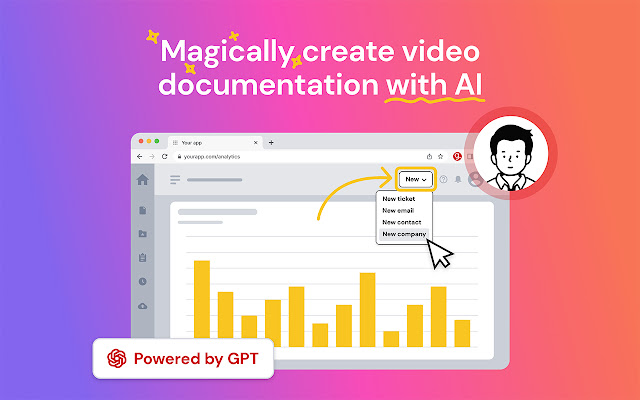
A partial solution, believes Yoav Einav, a Belmont-based entrepreneur, is a tool that lets users create visual documentation — videos, mainly — for software onboarding. Einav is the co-founder and CEO of Guidde, which leverages generative AI to automatically create embeddable video clips that instruct on how to use different web-based software apps.

Guidde

Image Credits: Guidde

Einav founded Guidde in 2020 alongside Dan Sahar. Both previously led product teams in data, machine learning operations and cybersecurity at companies like Qwilt, an open edge cloud startup, and Iguazio, a data management and orchestration platform.

“Guidde was founded in order to address a glaring gap Sahar and I experienced, which is how to enable users to be productive and drive engagement in business-to-business applications,” Einav told TechCrunch in an email interview. “This was exacerbated as companies shifted to more hybrid and remote work, causing onboarding and training to be severely hampered.”

Guidde works by capturing a user’s in-app activity through a Chrome extension, then transforming the recording using AI, automation and contextual analysis to create a video with an “AI-generated storyline,” as Einav describes it. Guidde-created videos can optionally feature an AI-generated voice in a desired language, background music and tags (which the platform automatically generate) that highlight key parts of a software workflow.

“Video creation today is fragmented, lengthy and challenging — it typically involves multiple tools, multiple people and entails sometimes weeks of work to produce even a single video,” Einav said. “Guidde fuses multiple point-products with the power of AI to establish a single platform that allows anyone in an organization to create, edit, publish and analyze video and documentation for any software in minutes.”

I was a little skeptical of Guidde’s claims, I must say, given generative AI’s tendency to fail at even the most basic use cases. But in my brief testing, the platform delivered on its promises more or less

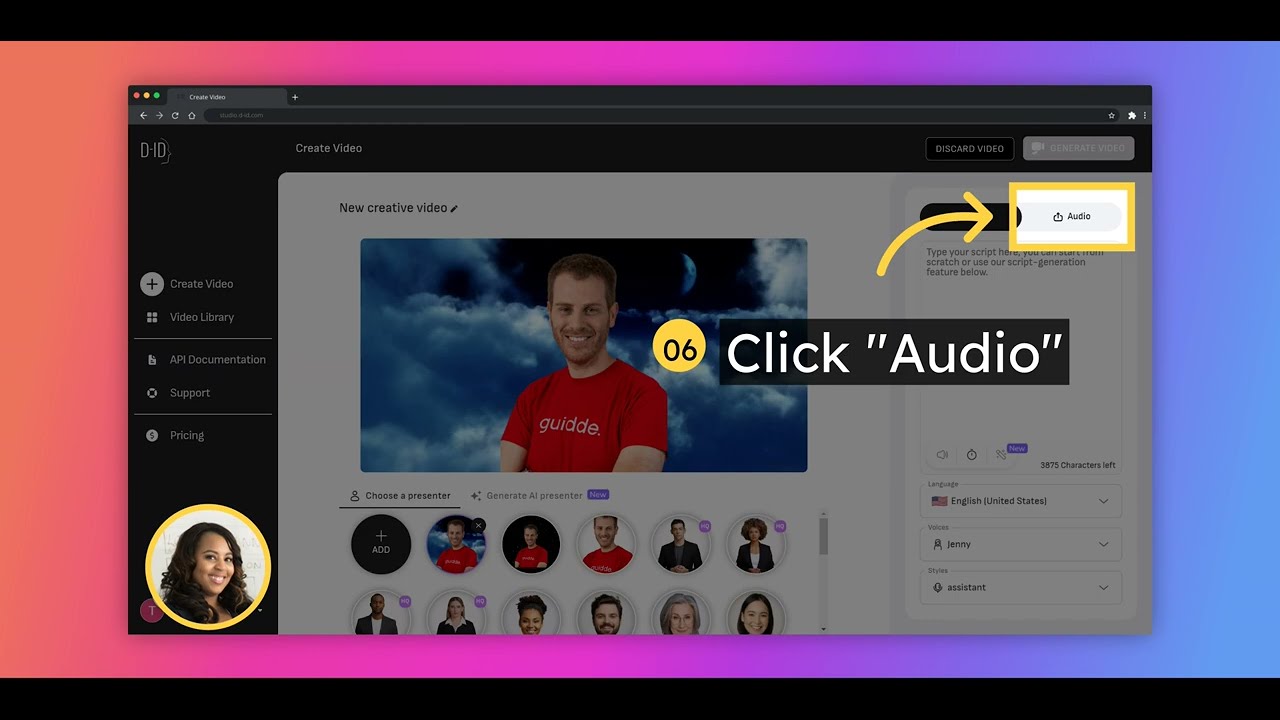
Once the requisite Chrome extension installs, you can begin recording the process or workflow you wish to capture for a documentation video. Ingesting the finished recording, Guidde automatically splits it into labeled chapters — each with a description — based on actions taken during the recording, like button presses and browser tab switches, and generates an intro and outro voiceover.

Were I in the business of crafting a lot of SaaS tutorials, I could see myself using Guidde regularly — at least as a starting point. The AI isn’t perfect. But fortunately, any generated labels and descriptions can be edited before a video’s published.

Guidde also offers a streamlined video editing suite with effects like motion transitions, frame timing adjustment and cropping. If the platform’s synthetic voice options don’t suit a customer’s fancy, they can record their own to pair with the instructions in the video.

“We believe that we’ve found a nascent sweet spot at the intersection between PowerPoint and Loom that combines the simplicity of presentations and the engagement of video, so we appeal to the majority of enterprises where PowerPoint is a daily tool they’ve used for years but async video still isn’t heavily used,” Einav said. “Many teams that use Guidde often replace legacy desktop tools such as Camtasia, which they use for technical video production.”

Now, Guidde might not be able to convince every prospective corporate customer that its video creation platform, which is priced at $35 per user per month for medium-to-large-sized teams, is a worthwhile investment. According to a 2019 Kultura survey, 67% of employees admit to not giving in-house training videos their full attention, instead skimming the videos or listening to them while doing something else.

On the other hand, perhaps that’s Guidde’s selling point. If staffers aren’t watching videos that closely, why should employers spend a lot of time, energy and money producing them?

“We’ve held hundreds of conversations with employees across organizations large and small over the past two years,” Einav said. “Time and time again we heard the same issues: Many people hate recording their own voice and aren’t skilled at it, … subject-matter experts often aren’t the ones creating content, … [and] content lacks consistency and finish since each person uses a different look and feel, environment, voice and so on … We dove into the issues they faced today [and tried to solve them].”

Guidde

Image Credits: Guidde

Guiddes appears to have gained a following indeed, with a customer base that stands around 500 brands — including Payoneer, Redis and LiveNation — with “tens of thousands” of users combined. Revenue grew by more than 500% between last year and this year, meanwhile, Einav claims.

VCs see potential. Guidde today announced that it raised $11.6 million in a Series A funding round led by Norwest Venture Partners with participation from Entree Capital, Honeystone Ventures, Crescendo Ventures and Tiferes Ventures, bringing the company’s total raised to $15.6 million.

Guidde plans to use the new capital to expand its engineering and data science departments while growing its go-to-market team, Einav says. The startup has 17 employees at present, and aims to nearly double that number by the end off 2024.

Google is Perfecting Gemini, But It Comes with a Cost

During Alphabet’s Q3 earnings call, CEO Sundar Pichai announced a slew of upcoming releases from the company, and stated, “We are just really laying the foundation of what I think of as the next-generation series of models we’ll be launching throughout 2024.”

However, the conspicuous absence of mention of Gemini’s imminent launch in Pichai’s address has left uncertainties about its release timeline. Given Google’s expectations from the product and the financial implications, a release this year would’ve warranted a mention—unlike Duet AI and the new Pixel phone, which featured in the call.

Gemini was expected to come out this fall, yet, October has fizzled out and there are no signs of the product, which Google Deepmind CEO Demis Hassabis claimed, “Would be more capable than OpenAI’s GPT-4.”

This may very well be because Google doesn’t wish to replicate the hurried release of Bard—which fell short of expectations. Google is likely taking extra precautions to ensure that Gemini meets the high expectations set for it.

What To Expect From Gemini

Sissie Hsiao, Google’s VP and general manager of Bard and Google Assistant, also spoke highly of the Gemini, giving a glimpse into the potential it has, noting, “I’ve seen some pretty amazing things.”

“Like, I’m trying to bake a cake, draw me 3 pictures of the steps to how to ice a three-layer cake, and Gemini will actually create those images,” she said.

“These are completely novel pictures. These are not pictures from the internet,” she added. “It’s able to speak in imagery with humans now, not just text.”

By Hassabis’ own admission engineers at DeepMind are using techniques from AlphaGo for Gemini.

“At a high level you can think of Gemini as combining some of the strengths of AlphaGo-type systems with the amazing language capabilities of the large models,” Hassabis said. “We also have some new innovations that are going to be pretty interesting,” he added.

On the other hand, according to a leak posted on a blog, Gemini might be way different from Google’s previous offerings. The leak suggests that Gemini is poised to replace PaLM 2 in Makersuite, confirming multimodal capabilities.

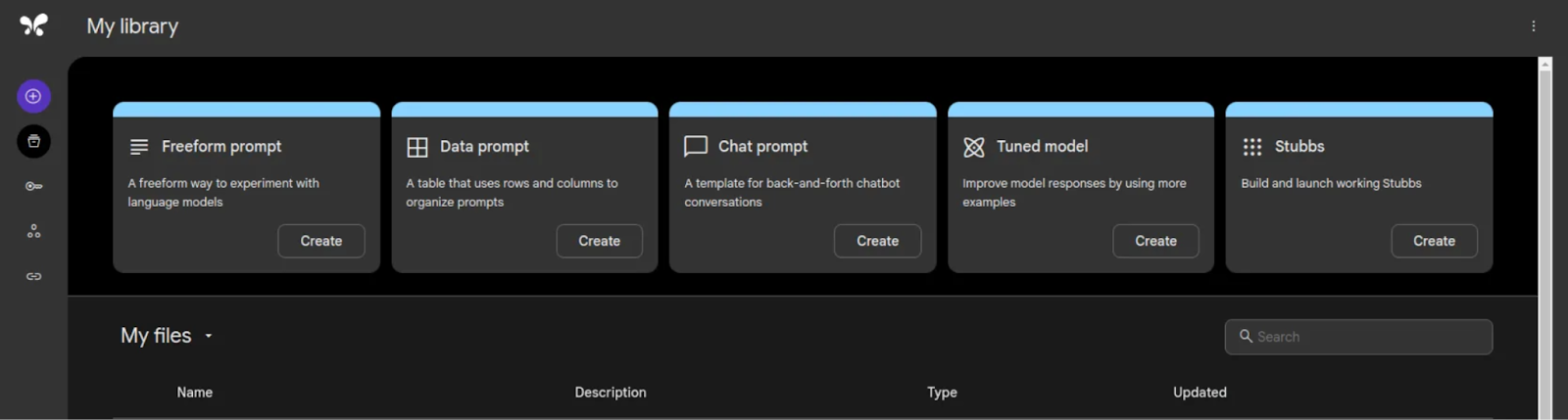
The leak also reveals a feature called “Stubbs”—a tool that allows users to create functional app prototypes with just a single prompt. It also offers the option to include an image of the app you want to create or clone. Users can then deploy and share these prototypes seamlessly. A Stubbs Gallery is included, providing an easy way to view and remix other Stubbs, as well as publish your own creations.

Makersuite is set to get an autosave feature, addressing a common issue of losing work when prompts aren’t saved due to power outages or other disruptions.

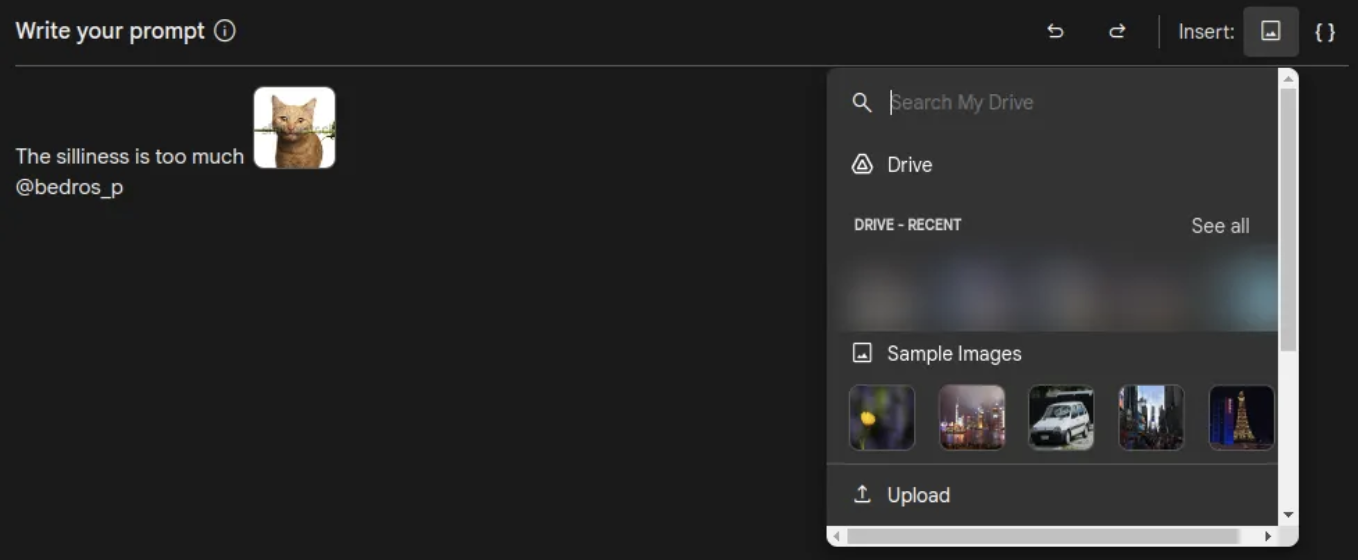
Makersuite is a standout feature which offers a user-friendly interface for multimodal prompt creation, which means it can accept both images and, potentially, audio inputs. It can then generate multimodal content, including HTML.

Additionally, Makersuite will see improved translation support, removing previous restrictions on the ratio of English to non-English text in prompts.

However, it’s important to note some limitations. While Text and Data prompts will support multimodality, Chat prompts will not. Importantly, Stubbs will not create full app code but rather deploy prototypes, similar to Figma prototypes fully generated by AI. Furthermore, image input in the Makersuite UI will not support GIFs.

Neck and Neck with OpenAI

The expectation is that Google will make a significant impact with the launch of Gemini. While OpenAI curated an impressive dataset, Google’s vast digital platform, including visual data from YouTube, gives them a unique advantage. It’s likely that Google is waiting to launch Gemini when it can deliver a major blow to competitors like Microsoft, aiming for a knockout punch in the market. But would it be too little too late?

OpenAI has also set high standards for safety and performance, which Google is keen to meet. They want Gemini to outperform GPT-4 and provide compelling reasons for users to switch. Google is likely considering marketing strategies to position Gemini as a unique and valuable product, possibly targeting the business-to-business (B2B) market or integrating it with existing services.

Additionally, Google is cautious about pricing Gemini competitively, especially considering Microsoft’s offer of GPT-4 with Bing for free. However, the delay in adopting new AI technologies may contribute to a lag in their intended audience’s discovery and utilisation.

But Shipment Delayed

While Google wants to bring a perfect product to the market, the delay, however, seems to have increased the pressure on them, as timely delivery is crucial to avoid disappointment among users. Additionally, it seems like the wait is going to get prolonged.

Pichai during the earnings call remarked, “We are definitely investing, and the early results are very promising,” while discussing the progress of their projects. This description of “early results” for a model that has been in development for most of the year raises curiosity about the current status and performance of the Gemini project.

The decision to project Gemini as a work in progress could also stem from the fact that OpenAI announced additional updates, truly making GPT-4 multimodal. Multimodality, a feature which Google promised through its freely accessible Bard, but has not been delivered in many parts of the world seems to be their main focus this time around.

“We are creating it from the ground up to be multimodal, highly efficient tool and API integrations and, more importantly, laying the platform to enable future innovations as well,” Pichai added.

Conclusively, the leaked features offer a promising outlook for content creators and developers, which might be subject to change given the indication that Gemini’s release date might be pushed further ahead. However, given the pace of innovation at OpenAI with its GPT-4 and a possible chatter around the model’s next rendition being around the corner, is Google’s strive for perfection or standing toe-to-toe with OpenAI proving to be to its detriment?

The post Google is Perfecting Gemini, But It Comes with a Cost appeared first on Analytics India Magazine.

Novice to Ninja: Why Your Python Skills Matter in Data Science

Novice to Ninja: Why Your Python Skills Matter in Data Science
Image created by Author with DALL•E 3
Introduction

We know that programming is a useful (essential?) skill for data scientists to possess. But what level of programming skill is necessary? Should a data scientist aim to be "good enough," or instead desire to become an expert level programmer? Should we aspire to be coding ninjas?

If we are going to explore this topic, we should first get an idea of what a beginner, intermediate, and expert level programmer look like $mdash; or at least what their code looks like.

Below you will find 2 programming tasks, each with 3 code snippets; one each for potential beginner, intermediate, and expert level programmer approaches to completing that tasks, with some explanation as to the differences. This should give us a foundations on which to build a discussion about the importance of programming abilities.

Remember, these are concocted approaches meant to imitate programming at these different levels. All the scripts are functional and get the job done, but they do so with varying degrees of elegance, efficiency, and Pythonic-ness.

Task: Find the Factorial of a Number

Let's first take a task that is simple but can be approached in multiple ways, finding the factorial of a given number. Let's implement this task for hypothetical beginner, intermediate, and expert Python programmers, and compare differences in the code.

Beginner's Approach

A beginner may use a straightforward approach using a for loop to calculate the factorial. Here's how they might do it.

n = int(input("Enter a number to find its factorial: "))  factorial = 1    if n < 0:      print("Factorial does not exist for negative numbers")  elif n == 0:      print("The factorial of 0 is 1")  else:      for i in range(1, n + 1):          factorial *= i      print(f"The factorial of {n} is {factorial}")

Intermediate's Approach

An intermediate programmer might use a function to improve code reuse and readability, and also use the math library for basic checks.

import math    def factorial(n):      if n < 0:          return "Factorial does not exist for negative numbers"      elif n == 0:          return 1      else:          return math.prod(range(1, n + 1))    n = int(input("Enter a number to find its factorial: "))  result = factorial(n)  print(f"The factorial of {n} is {result}")

Expert's Approach

An expert programmer might use recursion and add type hints for better maintainability. They may also make use of Python's terse and expressive syntax.

from typing import Union    def factorial(n: int) -> Union[int, str]:      return 1 if n == 0 else n * factorial(n - 1) if n > 0 else "Factorial does not exist for negative numbers"    n = int(input("Enter a number to find its factorial: "))  print(f"The factorial of {n} is {factorial(n)}")

Summary

Let's have a look at the differences in code and what stands out most between the levels of expertise.

  • Beginner: Uses longer overall code, no use of functions or libraries, straightforward logic
  • Intermediate: Uses a function for better structure, uses math.prod for calculating the product
  • Expert: Uses recursion for elegance, adds type hints, and uses Python's conditional expression for conciseness

Task: Generate Fibonacci Numbers

For a second example, let's consider the task of finding the Fibonacci sequence up to n numbers. Here's how programmers at different levels might tackle this task.

Beginner's Approach

A beginner might use a basic for loop and a list to collect the Fibonacci numbers.

n = int(input("How many Fibonacci numbers to generate? "))  fibonacci_sequence = []    if n <= 0:      print("Please enter a positive integer.")  elif n == 1:      print([0])  else:      fibonacci_sequence = [0, 1]      for i in range(2, n):          next_number = fibonacci_sequence[-1] + fibonacci_sequence[-2]          fibonacci_sequence.append(next_number)      print(fibonacci_sequence)

Intermediate's Approach

An intermediate programmer might use list comprehensions and the zip function for a more Pythonic approach.

n = int(input("How many Fibonacci numbers to generate? "))    if n <= 0:      print("Please enter a positive integer.")  else:      fibonacci_sequence = [0, 1]      [fibonacci_sequence.append(fibonacci_sequence[-1] + fibonacci_sequence[-2]) for _ in range(n - 2)]      print(fibonacci_sequence[:n])  

Expert's Approach

An expert might use generators for a more memory-efficient approach, along with Python's unpacking feature to swap variables in a single line.

def generate_fibonacci(n: int):      a, b = 0, 1      for _ in range(n):          yield a          a, b = b, a + b    n = int(input("How many Fibonacci numbers to generate? "))  if n <= 0:      print("Please enter a positive integer.")  else:      print(list(generate_fibonacci(n)))

Summary

Let's see what the major differences are and what major programmatic differences separate the expertise levels.

  • Beginner: Uses basic control structures and lists, straightforward but a bit verbose
  • Intermediate: Utilizes list comprehensions and zip for a more Pythonic and concise solution
  • Expert: Employs a generator for a memory-efficient solution and uses unpacking for elegant variable swapping

The Benefits of "Ninja" Coding

If all of the example code works and ultimately gets the job done, why should we strive to become the best coders that we can be? Great question!

Becoming a proficient programmer is about more than just getting code to work. Here are some reasons why striving to be a better coder is beneficial:

1. Efficiency

  • Time: Writing more efficient code means tasks are completed faster, which is beneficial both for the programmer and for anyone using the software
  • Resource Utilization: Efficient code uses less CPU and memory, which can be crucial for applications running on limited resources or at a large scale

2. Readability and Maintainability

  • Collaboration: Code is often written and maintained by teams. Clean, well-structured, and well-commented code is much easier for others to understand and collaborate on
  • Longevity: As projects grow or evolve, maintainable code is easier to extend, debug, and refactor, saving time and effort in the long run

3. Reusability

  • Modularity: Writing functions or modules that solve a problem well means that you can easily reuse that code in other projects or contexts
  • Community Contributions: High-quality code can be open-sourced and benefit a wider community of developers

4. Robustness and Reliability

  • Error Handling: Advanced programmers often write code that can not only solve problems but also handle errors gracefully, making the software more reliable
  • Testing: Understanding how to write testable code and actual tests ensures that the code works as expected in various scenarios

5. Skill Recognition

  • Career Advancement: Being recognized as a skilled coder can lead to promotions, job opportunities, and higher pay
  • Personal Satisfaction: There's a sense of accomplishment and pride in knowing that you're capable of writing high-quality code

6. Adaptability

  • New Technologies: Strong foundational skills make it easier to adapt to new languages, libraries, or paradigms
  • Problem-Solving: A deeper understanding of programming concepts enhances your ability to approach problems creatively and effectively

7. Cost-Effectiveness

  • Less Debugging: Well-written code is often less prone to bugs, reducing the amount of time and resources spent on debugging
  • Scalability: Good code can be more easily scaled up or down, making it more cost-effective in the long run

So, while getting the job done is certainly important, how you get it done can have wide-ranging implications for your personal development, your team, and your organization. We should all strive to become the best programmers that we can be, and that goes for data scientists as well.

Matthew Mayo (@mattmayo13) holds a Master's degree in computer science and a graduate diploma in data mining. As Editor-in-Chief of KDnuggets, Matthew aims to make complex data science concepts accessible. His professional interests include natural language processing, machine learning algorithms, and exploring emerging AI. He is driven by a mission to democratize knowledge in the data science community. Matthew has been coding since he was 6 years old.

More On This Topic

  • Why Humbling Yourself Will Improve Your Data Science Skills
  • Here’s Why You Need Python Skills as a Machine Learning Engineer
  • Avoid These Five Behaviors That Make You Look Like A Data Novice
  • Data Scientist Career Path from Novice to First Job
  • Use These Unique Data Sets to Sharpen Your Data Science Skills
  • Data Science is Not Becoming Extinct in 10 Years, Your Skills Might

Let the Arm Do the Work For You

“Since the pandemic there has been an increased demand for our Cobots” said Sougandh K.M, Country Manager in India at Universal Robots. In a conversation with AIM Sougandh explained that their small ‘cobot’ arms which can be used in all lines of manufacturing from assembly to inspection while also taking up far less space and being safer to use.

Industrial robots used to be large, and take up a lot of space, some were even kept in glass cases for safety purposes. They were a massive investment and used only by large scale manufacturers. Universal Robots are changing all that. Their portable arm models are built in partnership with 400+ companies that provide the ‘hand’ for tasks not only in manufacturing but also for research and education.

Universal Robots, a Denmark company that was founded in 2005 came about after a research project in the University of South Denmark. The founders envisioned a smaller robot after realising that the market was saturated with large, expensive, and difficult-to-handle ones. Their solution was to introduce a robot arm. Now this arm is advanced enough to manufacture more like them.

Cobot and Safety

Cobot now comes in five different sizes that can lift 3, 5, 12, 16 and 20 kilograms and can be controlled by a small tab that integrates all the functional aspects to it. The arm is versatile as it contains only the head of the arm where multiple ‘hands’ can be connected to it. Different appendages like pincers, sprayers, suction, camera or any others can be added. Universal closely works with companies that manufacture these to sync their hardware and software components.

The cost of these Cobots begins at 21 lakh and goes up to 55 lakh.

“Companies like OnRobot or MIR, we have a USB that you have to just plug it to the controller box inside and that’s it. Suppose you don’t have that, then we have a hard wiring cable, which goes around the robot and then plugs into the hand.

Both the arm and the hand are then configured to understand any force applied against it. The settings for them can be changed based on the speed at which a robot moves. “We removed the need for multiple sensors and made it sensitive for any pressure applied on it.”

There are different settings that can be applied to this, from a very small amount of pressure to a physical force that can come in its way which will force the machine to stop. “It is not devoid of sensors, because when it is moving very fast, it picks up the movements beside itself and alerts the arm to stop completely.” Along with manual safety additions which can be manipulated the arm comes with its guardrails which users can’t override.

The Arm is designed to be used in dangerous environments that are not ideal for humans to work in. Lifting heavy loads, working with dangerous materials, working on minute wiring, moving pallets, etc.

For example in the medical field, they are used in operating rooms to aid surgeons for precise procedures. They’re now used by the non-profit, Madurai-based organisation Aurolab (a unit of Arvind Eye Care Systems). They increased their Intraocular Lens (IOL) production from 150 to 10,000 lenses per day with cobots, enabling them to export their lenses to over 130 countries. “India was lagging behind in its adoption of robots in manufacturing but we receive orders from MSMEs from tier 3 cities as well,” said Sougandh.

The robot arm is extremely simplified and the software is easy to grasp. The additional tab that comes with the arm contains all the information on the functioning of the arm if it malfunctions. Sougandh said, “We see more women working alongside Cobots.”

Other companies like ABB, Kassow Robots, and Rainbow Robotics all manufacture a similar product. ABB’s GoFa or Go Faster robotic arm has all the features similar to Cobot it is more expensive and bears only a maximum of 12kg load. KUKA’s iiwa robots are bulkier in comparison to Cobot and with a more complex design with a steeper learning curve.

Collaborative robots are small and ideal for manufacturing. “We receive more than 750 requirements per year in India alone,” Sougandh said. By automating repetitive welding tasks, cobots free up humans to focus on more complex and complex work.

The post Let the Arm Do the Work For You appeared first on Analytics India Magazine.